In today's fast-paced business environment, long waiting lines and inefficient visitor handling can negatively impact customer satisfaction and operational efficiency. Organizations across industries are turning to advanced queue management software and visitor management system solutions to streamline operations, reduce wait times, and create a seamless customer experience.
Whether it's a hospital, bank, government office, retail store, or corporate facility, an effective queue management solution helps businesses organize visitor flow, improve service delivery, and increase productivity.
What Is Queue Management Software?
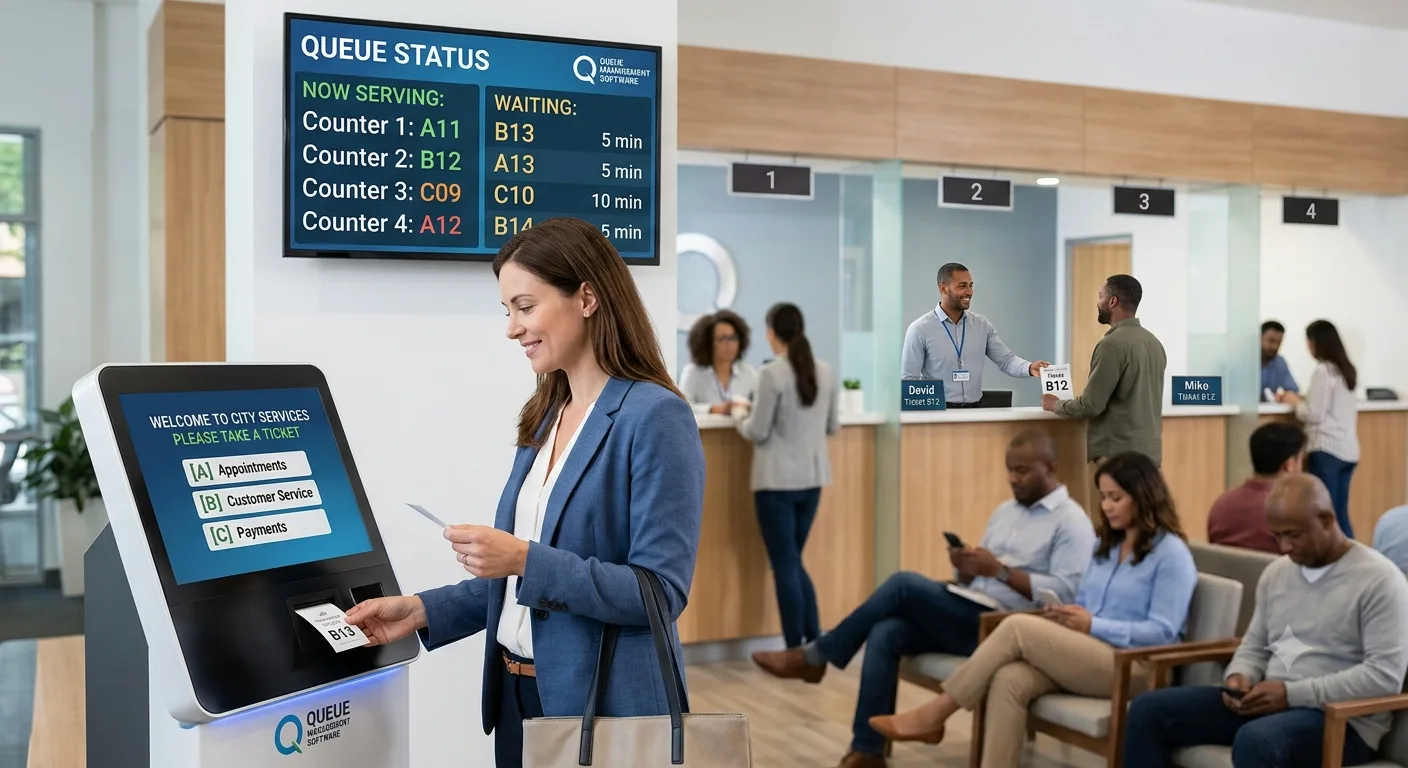
Queue management software is a digital platform designed to manage customer or visitor queues efficiently. Instead of relying on manual processes, businesses can automate ticket generation, appointment scheduling, customer notifications, and service tracking.
A modern queuing system allows organizations to monitor visitor flow in real time, ensuring that customers are served fairly and efficiently. By reducing congestion and providing accurate wait-time information, businesses can significantly enhance customer satisfaction.
Understanding Visitor Management Systems
A visitor management system is a solution that helps organizations track, monitor, and manage visitors entering a facility. It replaces traditional paper logbooks with digital registration, identification, and reporting tools.
When integrated with a queue management solution, visitor management systems create a complete experience by handling both visitor check-ins and service delivery processes.
Key visitor management functions include:
- Visitor registration
- Digital check-in and check-out
- Identity verification
- Visitor badges and passes
- Appointment management
- Security monitoring
- Visitor analytics and reporting
Together, these features improve security while enhancing the overall visitor experience.
Why Queue Management Matters
Effective queue management is essential for businesses that regularly serve customers or visitors. Poor queue handling can result in frustration, negative reviews, and lost business opportunities.
Common challenges include:
- Long waiting times
- Overcrowded waiting areas
- Unorganized service processes
- Lack of communication
- Inefficient staff allocation
A modern queuing system addresses these issues by automating customer flow and providing greater visibility into service operations.
Key Benefits of Queue Management Software
Reduced Waiting Times
One of the biggest advantages of queue management software is its ability to minimize perceived and actual waiting times. Customers receive clear information about their position in the queue and estimated service times.
Improved Customer Satisfaction
Visitors appreciate transparency and efficiency. A well-designed queue management solution keeps customers informed throughout their journey, resulting in a more positive experience.
Enhanced Staff Productivity
Employees spend less time managing lines manually and more time focusing on customer service. This improves operational efficiency and service quality.
Better Resource Allocation
Real-time analytics help managers understand visitor patterns and allocate staff according to demand, reducing bottlenecks during peak hours.
Increased Operational Visibility
Organizations gain access to detailed reports on service performance, visitor flow, average wait times, and staff productivity.
How a Queuing System Works
A typical queuing system follows a simple process:
- Visitors register through a kiosk, mobile app, QR code, or reception desk.
- The system generates a queue ticket or appointment confirmation.
- Customers receive notifications regarding their queue status.
- Service agents call visitors when it's their turn.
- Management dashboards track queue performance in real time.
This automated process improves efficiency while reducing stress for both visitors and employees.
Industries That Benefit from Queue Management Solutions
Healthcare
Hospitals and clinics use queue management software to organize patient appointments, reduce waiting times, and improve patient satisfaction.
Banking
Banks rely on queue management systems to manage customer flow, optimize teller allocation, and improve branch efficiency.
Government Offices
Public service centers use digital queuing systems to streamline citizen services and reduce overcrowding.
Retail
Retail stores improve customer experiences by minimizing checkout and service wait times.
Corporate Offices
A visitor management system combined with queue management technology helps organizations manage guests securely and professionally.
The Future of Queue Management and Visitor Management
As technology evolves, queue management platforms are becoming smarter and more integrated. Artificial intelligence, cloud computing, and predictive analytics are transforming how businesses handle customer interactions.
Future innovations may include:
- AI-powered wait-time forecasting
- Virtual queues
- Contactless visitor registration
- Mobile-first service experiences
- Real-time occupancy monitoring
- Integration with customer relationship management systems
These advancements will help organizations deliver faster, safer, and more personalized services.
Conclusion
Implementing modern queue management software is no longer optional for organizations focused on delivering exceptional customer experiences. By combining a powerful queue management solution with a robust visitor management system, businesses can streamline operations, reduce waiting times, and improve overall efficiency.
Whether managing patients, customers, citizens, or corporate guests, an intelligent queuing system provides the tools needed to optimize queue management and create a seamless visitor journey. Organizations that embrace these technologies will be better positioned to meet customer expectations and achieve long-term success.