Cellulose generally provides a higher R-value per inch than fiberglass, typically ranging from 3.2 to 3.8. In comparison, blown-in fiberglass usually offers an R-value between 2.2 and 2.7 per inch. Choosing between Blown-In Fiberglass and Cellulose depends on the specific attic space, budget, and local climate needs of the property.
This guide provides a detailed look at how these materials perform over time and which option might work best for a building. Professionals in the weatherization industry use these thermal resistance measurements to determine how well a material resists heat flow. Understanding these differences helps property owners make informed choices for long-term energy savings.
Understanding the Thermal Resistance of Different Materials
R-value measures how well a material prevents heat from moving through it. A higher number means better thermal resistance. When reviewing the cellulose insulation R-value, it becomes clear that the material is much denser than many alternatives. This density helps block heat transfer by limiting the movement of air within the material itself.
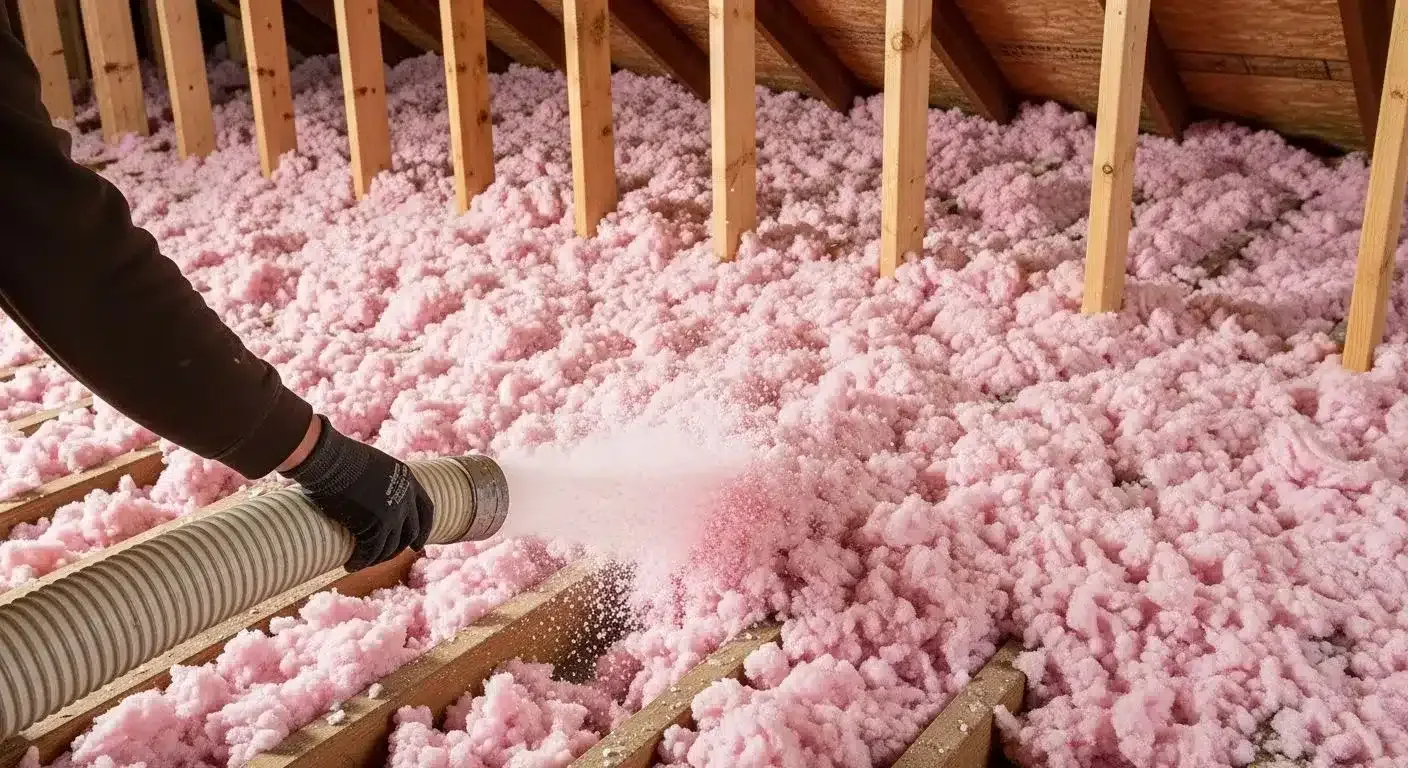
Blown-in fiberglass consists of spinning molten glass into thin fibers. The blown-in fiberglass R-value is lower because the material is less dense and contains more air pockets. While these air pockets help trap heat, they do not stop air movement as effectively as the more compact fibers found in cellulose.
Comparing Technical Specifications and Performance
The physical makeup of these materials affects how they behave once they are inside walls or an attic. Cellulose is made from recycled paper products, such as newsprint, treated with fire retardants. Fiberglass is composed of recycled glass and sand.
FeatureCellulose InsulationBlown-In FiberglassAverage R-Value Per Inch3.2 to 3.82.2 to 2.7Material CompositionRecycled paper and boratesRecycled glass and sandResistance to AirflowHigh due to densityLower due to loose fibersSettling Over TimeCan settle up to 20 percentVery little settlingFire ResistanceTreated with boratesNaturally non-combustible
How Density Impacts the Blown-in Insulation R-value
Density is the primary reason why a blown-in insulation R-value varies between products. Cellulose is packed tightly, which creates an effective barrier against convection. Convection is the process where heat moves through the air. Because cellulose is thick and heavy, it stops that air from circulating.
Fiberglass is much lighter. In very cold temperatures, the air inside fiberglass can begin to circulate more freely. This movement can lower the effective thermal resistance of the material during extreme winter months. A property might need a much deeper layer of fiberglass to match the performance of a thinner layer of cellulose.
The Effects of Settling on Thermal Performance
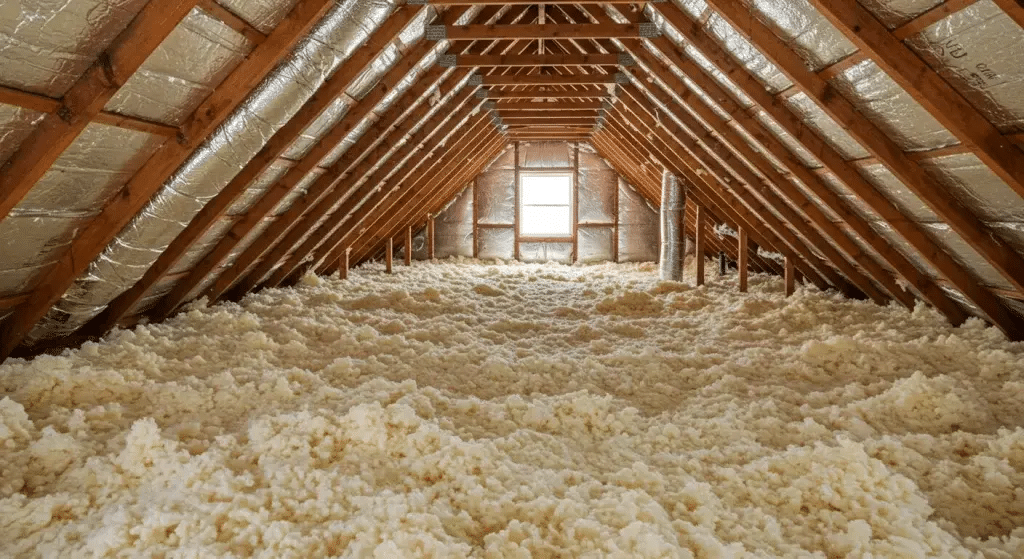
One factor to consider is how the material changes after installation. Cellulose is known to settle over time. As it packs down, the total thickness decreases, which can change the overall thermal resistance of the attic floor. Installers usually add extra material to account for this future settling.
Fiberglass is much more stable in terms of volume. It does not settle nearly as much as paper-based products. When looking at fiberglass vs cellulose insulation, fiberglass often maintains its original thickness for decades. However, even though it stays thick, it still requires more inches of depth to reach the same thermal protection level as cellulose.
Performance in Different Weather Conditions
Temperature extremes can change how these materials function. Cellulose maintains a consistent thermal resistance across a wide range of temperatures. Its high density prevents the "convection loops" that can occur when the temperature difference between the heated house and the cold attic becomes extreme.
Blown-in fiberglass can lose some of its effectiveness when the outside air gets very cold. Some modern high-density fiberglass products have been designed to address this issue, but standard loose-fill often struggles more than cellulose in sub-zero temperatures. If a home is in a region with harsh winters, the density of the material becomes a major factor.
Moisture Management and Material Integrity
How a material handles water vapor is another part of the equation. Cellulose can absorb moisture and then release it, which can be helpful in some scenarios but risky if a leak occurs. If cellulose gets soaking wet, it loses its loft and its R-value drops substantially. It also takes a long time to dry out.
Fiberglass does not absorb water. If it gets wet, the water usually passes through it or sits on the surface of the fibers. While wet fiberglass won't insulate well, it often recovers its thermal resistance once it dries out completely. It also does not support mold growth as easily as paper-based materials.
Considerations for Your Property Before Choosing
- Check the current depth of existing material to see what can be added.
- Evaluate the weight capacity of ceiling joists because cellulose is much heavier than fiberglass.
- Identify any existing moisture issues or roof leaks that could damage paper-based products.
- Look for air leaks in the attic floor that should be sealed before any new material is blown in.
- Determine the target R-value based on local building codes and climate zones.
Regional Guidance for the Pacific Northwest
In regions like Oregon, where damp winters and cool nights are common, moisture control is just as important as heat retention. Many property owners in these areas prefer fiberglass because it handles high humidity without holding onto moisture. However, for those looking for maximum heat retention during a mountain freeze, the density of cellulose is hard to beat.
Providers like All Foam & Insulation, LLC often suggest evaluating the airtightness of an attic before deciding. No matter which material is chosen, air escaping from the living space into the attic will bypass the insulation. Combining a high-quality material with proper air sealing is the best way to ensure the product performs at its rated capacity.
Practical Installation Differences
The installation process for both materials involves a large machine and a long hose. However, cellulose creates a substantial amount of dust during the process. This dust can get into the living space if the attic is not properly sealed off. Fiberglass is generally cleaner during installation, though the tiny glass fibers can be irritating to the skin and lungs.
Bonus Tips for Maximum Efficiency
Bonus Tip 1: Always install baffles at the eaves. This keeps the material from blocking soffit vents, which ensures the attic stays ventilated and prevents ice dams.
Bonus Tip 2: If an older home has limited space, consider using a "hybrid" approach. A denser material can be used in tight corners while a lighter material is applied where there is more vertical room to stack depth.
Summarizing the Best Choice for Your Needs
Choosing between these two options requires balancing thermal goals with the physical limitations of a building. Cellulose offers better resistance to airflow and a higher R-value per inch, making it useful for saving space. Fiberglass is lightweight, resistant to moisture damage, and maintains its thickness over time without settling.
Evaluating specific attic conditions, local weather patterns, and budget helps in making a final call. Consulting with a professional allows owners to see which material fits the structure best. Both options can lower utility bills if installed at the correct depth and density.
Helpful Resources for Local Insulation Projects
If looking to update a property, reaching out to an experienced team is a logical next step. Property owners can contact All Foam & Insulation, LLC for a free quote on their projects. They offer a variety of services, including Closed Cell Spray Foam, Open Cell Spray Foam, and Fiberglass Batt Insulation, along with blown-in options. They serve the local community and can help determine the best fit for a specific climate. They can be reached by phone at (541) 826-9600 or via email at [email protected] to discuss project requirements. Their experience in the Pacific Northwest makes them a reliable resource for improving a building's thermal performance.
Which Material Offers the Best Results for You?
Which material is more environmentally friendly?
Cellulose is often considered more eco-friendly because it is made from about 80 to 85 percent recycled paper. Fiberglass contains about 40 to 60 percent recycled glass. Both help the environment by reducing the energy needed to heat and cool a building.
Does the R-value change as the material gets older?
The R-value of cellulose can decrease slightly as it settles and becomes less thick. Fiberglass maintains its R-value more consistently over time because it does not settle much. However, if either material becomes clogged with dirt or flattened by foot traffic, the performance will drop.
Can you blow new fiberglass over old cellulose?
Yes, adding new material over old layers is a common practice to boost thermal resistance. Professionals generally recommend ensuring the old material is dry and free of pests before adding a new layer on top.
Is there a big price difference between the two?
Generally, the material costs are similar, but cellulose might require more labor or more total weight in material to reach a specific R-value. Fiberglass is often the more budget-friendly option for large, open attic spaces where depth is not an issue.
How does fire safety compare between these options?
Fiberglass is naturally fire-resistant because it is made of glass. Cellulose is made of flammable paper but is heavily treated with fire-retardant chemicals like borates. Both materials meet standard safety codes for residential and commercial buildings.