Video is now the default ad format on almost every platform. Instagram Reels, YouTube Shorts, TikTok and even marketplaces push short video ahead of static images. For a small brand, that creates a real problem: a single professional product shoot can cost more than a month of ad spend, and one video is never enough because good advertisers test many variations. AI ad generators are changing that equation, and in 2026 they have become practical enough for everyday marketing work.
Why ad creative is the real bottleneck
Most performance marketers agree that creative quality drives results more than targeting does. Platform algorithms already handle audience selection well, so the advertiser who wins is usually the one who can feed the system fresh, relevant creative every week. Traditional production makes that difficult. Each new hook, background or format means another shoot, another edit and another round of approvals. Many small businesses end up running the same two or three ads for months until performance fades.
What AI ad generators actually do
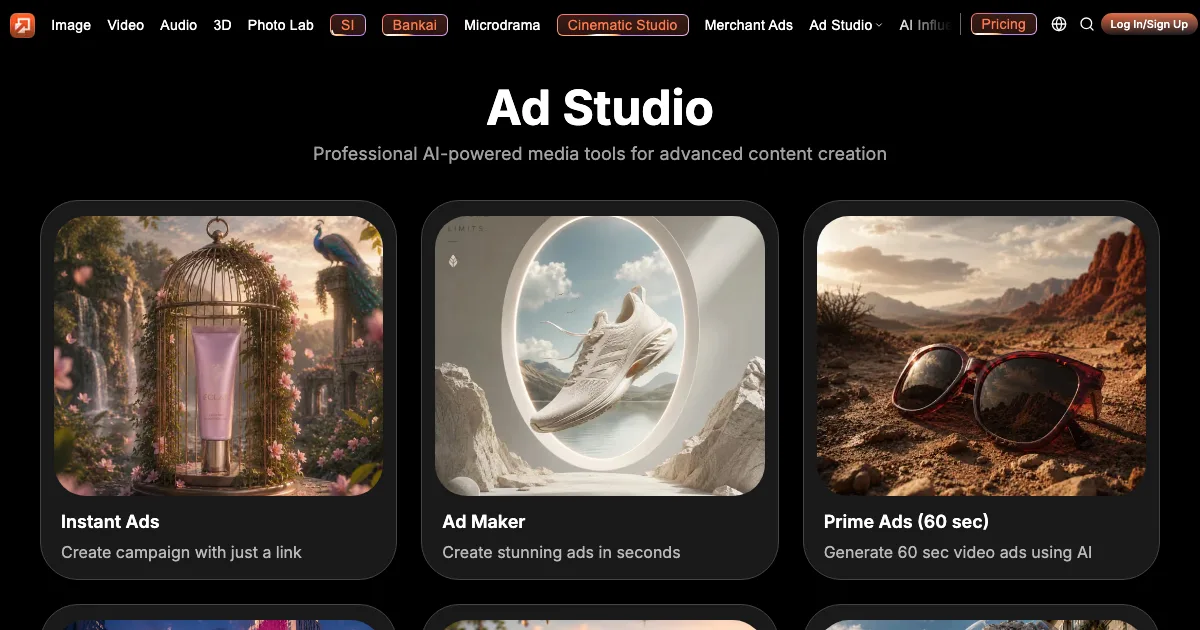
Modern AI ad tools take inputs a brand already has, such as product photos, a logo, a product page URL or a short description, and turn them into finished video and image ads. Platforms like Xelta Ad Studio group several of these workflows together:
- URL to ad: paste a product link and get a campaign draft built from the page's images and copy.
- UGC-style ads: create creator-style testimonial videos from a single product photo, without hiring influencers for every variation.
- Product ads: turn catalogue images into short motion videos with camera moves, backgrounds and captions.
- Longer spots: generate 60-second video ads for YouTube or connected TV when a story needs more time.
- Branded creative: upload your own logo, product shots and footage so the output stays on brand.
Behind these tools sit general-purpose video models. An AI video generator with text-to-video and image-to-video modes lets marketers create custom scenes, such as a product on a beach at sunset or a coffee cup on a busy office desk, that would otherwise require a location shoot.
A simple weekly workflow for small teams
AI works best when it is part of a repeatable process rather than a one-off experiment. A lean team can follow a routine like this:
- Pick one product and one message. For example, "keeps drinks cold for 24 hours" or "ships in two days".
- Generate five to ten variations. Change the hook in the first two seconds, the background, the voiceover style and the format (UGC, product demo, lifestyle scene).
- Review every output by hand. Check that the product looks accurate, claims are true, and text on screen is readable.
- Launch with a small budget per variation. Let the platform spend evenly for a few days.
- Keep the winners, retire the rest. Use what you learn to brief the next round of variations.
Because each variation takes minutes instead of days, a team of one or two people can run a testing program that used to need an agency.
Where AI ads work best, and where they do not
AI-generated ads are strongest for product-led categories: ecommerce, consumer apps, food and beverage, beauty, home goods and local services. They are especially useful for seasonal campaigns, marketplace listings and retargeting, where volume and freshness matter more than a cinematic brand film.
They are weaker when the product itself is hard to show accurately, such as complex machinery, or when a campaign depends on a real person's credibility, such as a doctor or a well-known founder. In those cases, AI is better used for storyboards, backgrounds, B-roll and cut-down versions of real footage rather than the whole ad.
Guardrails every brand should follow
- Show the real product. Start from genuine product photos so the ad does not promise something the customer will not receive.
- Do not fake testimonials. UGC-style formats are fine for presenting features, but avoid inventing customer reviews or results.
- Follow platform disclosure rules for synthetic or AI-altered media.
- Check usage rights. Confirm that your plan allows commercial use of the generated content.
The takeaway
For small brands, the gap between a scrappy advertiser and a well-funded one used to be production budget. AI ad generators narrow that gap by making creative testing cheap and fast. The brands that benefit most will not be the ones that generate the most ads, but the ones that combine fast AI production with honest messaging, real product imagery and disciplined testing.