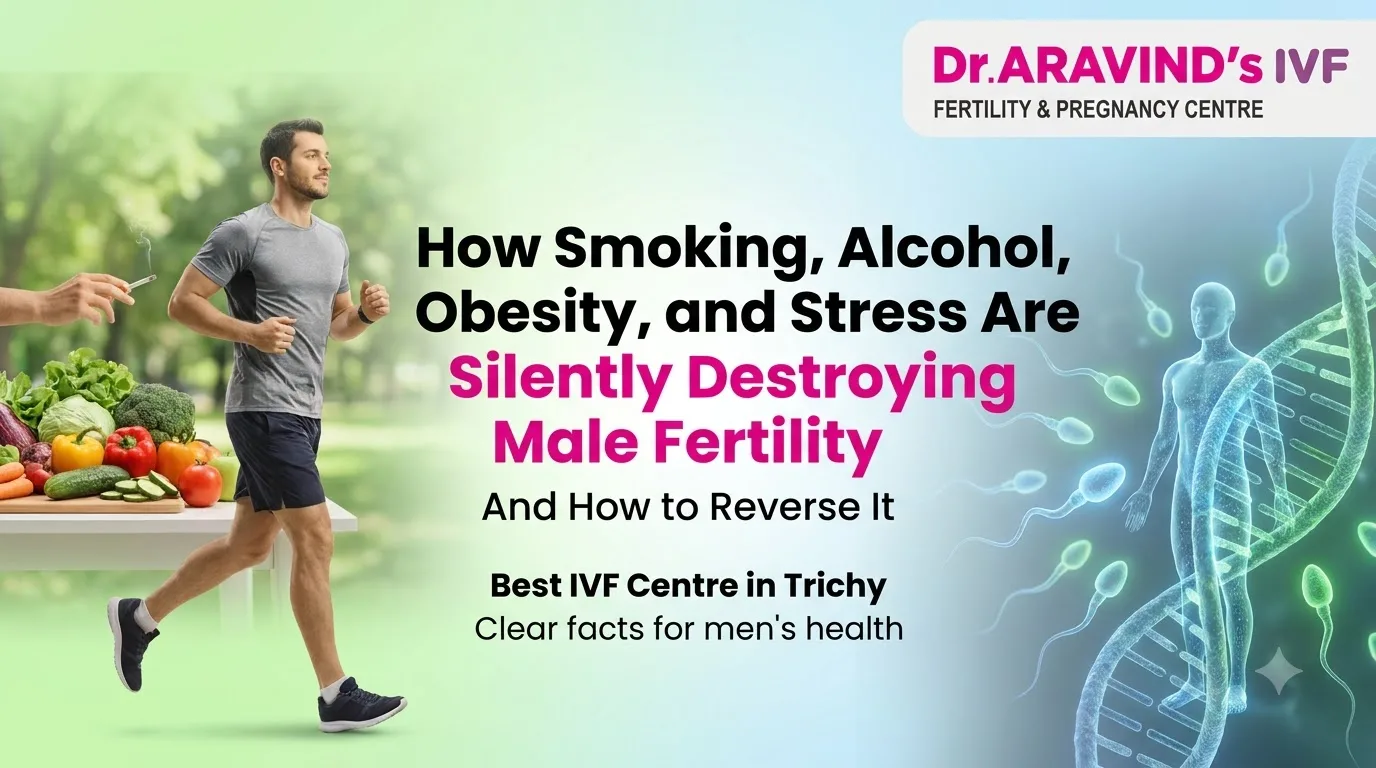
How Smoking, Alcohol, Obesity, and Stress Are Silently Destroying Male Fertility — And How to Reverse It
Many men struggling with fertility don't realize that everyday habits—smoking, drinking, carrying extra weight, or living with chronic stress—may be quietly undermining their ability to conceive. The good news: these lifestyle factors are often reversible, and meaningful improvements can occur within months of making changes.
If you're concerned about fertility, consulting a trusted clinic such as the best IVF centre in Trichy can provide comprehensive evaluation and personalized male infertility treatment alongside lifestyle guidance.
Smoking: The hidden fertility killer
Cigarette smoking is one of the most well-documented and damaging lifestyle factors affecting male fertility. The toxins in cigarette smoke—nicotine, cadmium, lead, carbon monoxide, and thousands of other chemicals—directly assault the reproductive system.
Specific effects on sperm parameters
Sperm count: Research consistently shows smokers have 13-17% lower sperm density compared to non-smokers. Heavy smokers (>20 cigarettes/day) experience even more pronounced reductions.
Sperm motility: Smoking impairs the ability of sperm to swim effectively toward the egg. Studies demonstrate reduced progressive motility in smokers, with dose-dependent effects (more cigarettes = worse motility).
Sperm morphology: Smokers show higher rates of abnormally shaped sperm, reducing the likelihood of successful egg penetration and fertilization.
DNA fragmentation: Perhaps most concerning, smoking increases sperm DNA fragmentation (SDF) by approximately 10%. Damaged sperm DNA is linked to:
- Lower fertilization rates
- Higher miscarriage rates
- Increased risk of childhood cancers and genetic abnormalities in offspring
- Reduced success with IVF/ICSI
Hormonal disruption: Smoking alters testosterone, LH, and FSH levels, further impairing sperm production.
Timeline of sperm recovery after quitting
The spermatogenesis cycle—the time it takes to produce new sperm from start to finish—is approximately 72-74 days. This means:
- 2-4 weeks after quitting: Early improvements in sperm motility may begin as oxidative stress decreases
- 3 months (one full cycle): Measurable improvements in sperm count, motility, and morphology
- 6 months: Further improvements, with DNA fragmentation beginning to normalize
- 12 months: Near-maximal recovery for most parameters
Complete cessation is essential—reducing cigarette consumption helps, but quitting entirely provides the best outcomes. E-cigarettes may carry similar risks due to nicotine and other toxins, so they're not recommended as fertility-friendly alternatives.
Alcohol: How much is too much?
Alcohol's impact on male fertility follows a clear dose-response relationship: the more you drink, the greater the negative effects.
Impact on testosterone and sperm production
Heavy drinking (>14 units/week):
- Significantly reduces testosterone levels
- Increases estrogen levels (alcohol enhances aromatase activity, which converts testosterone to estrogen)
- Directly toxic to sperm-producing cells in the testes
- Associated with 40-50% reduction in sperm count
- Impairs sperm motility and morphology
- Increases risk of erectile dysfunction
Moderate drinking (7-14 units/week):
- May cause modest reductions in sperm quality
- Effects vary by individual
- Some studies show no significant impact, others show mild impairment
Light drinking (<7 units/week):
- Generally considered low risk for fertility
- Some evidence suggests minimal impact on sperm parameters
Safe limits when trying to conceive
For men actively trying to conceive, experts recommend:
- Ideal: Complete abstinence for at least 3 months (one spermatogenesis cycle)
- Acceptable: Limiting to 1-2 drinks occasionally (not daily)
- Avoid: Binge drinking (5+ drinks in one session), which causes acute testosterone suppression
Alcohol's effects on sperm are reversible. Men who stop drinking typically see improvements in sperm parameters within 2-3 months.
Obesity: The fertility crisis within a crisis
Obesity (BMI >30) has reached epidemic proportions and significantly impacts male fertility through multiple mechanisms.
How excess weight destroys sperm quality
Scrotal heat: Fat deposits in the pubic and thigh areas increase scrotal temperature. The testes require temperatures 2-4°C below body temperature for optimal sperm production. Even slight, sustained temperature elevation impairs spermatogenesis.
Estrogen conversion: Adipose (fat) tissue contains the enzyme aromatase, which converts testosterone to estrogen. Obese men often have:
- Lower total and free testosterone
- Higher estrogen levels
- Disrupted LH and FSH signaling
- Impaired sperm production
Oxidative stress: Obesity creates a pro-inflammatory state with elevated reactive oxygen species (ROS). This damages sperm cell membranes, impairs motility, and increases DNA fragmentation.
Insulin resistance: Common in obesity, insulin resistance disrupts hormonal balance and may directly impair testicular function.
Sleep apnea: Obesity-related sleep apnea reduces sleep quality, further suppressing testosterone production (which peaks during deep sleep).
The fertility impact
Studies show obese men have:
- 40% lower sperm concentration compared to normal-weight men
- Higher rates of abnormal sperm morphology
- Increased DNA fragmentation
- Longer time to conception
- Higher miscarriage rates in partners
Reversing the damage
Weight loss of just 5-10% of body weight can significantly improve:
- Testosterone levels
- Sperm count and quality
- Hormonal balance
- Sexual function
Sustained weight loss through diet and exercise provides the best outcomes, with improvements typically seen within 3-6 months.
Stress and cortisol: The silent testosterone suppressor
Chronic stress—whether from work, relationships, finances, or fertility struggles themselves—activates the body's stress response, elevating cortisol levels.
How stress suppresses testosterone
HPG axis disruption: Elevated cortisol inhibits the hypothalamic-pituitary-gonadal (HPG) axis:
- Reduces GnRH (gonadotropin-releasing hormone) from the hypothalamus
- Suppresses LH and FSH from the pituitary gland
- Lowers testosterone production in the testes
- Impairs sperm production
Direct testicular effects: Chronic stress may directly affect testicular function through oxidative stress and inflammation.
Sexual dysfunction: Stress contributes to:
- Reduced libido
- Erectile dysfunction
- Decreased sexual frequency
- Performance anxiety
Behavioural impacts: Stressed individuals often:
- Sleep poorly (further reducing testosterone)
- Eat unhealthy foods
- Exercise less
- Drink more alcohol or smoke more
Breaking the stress-fertility cycle
Stress management techniques that support fertility include:
- Mindfulness meditation (10-20 minutes daily)
- Regular physical activity
- Adequate sleep (7-9 hours/night)
- Cognitive behavioural therapy or counselling
- Yoga or tai chi
- Social support and connection
Reducing stress can improve testosterone levels and sperm quality within weeks to months.
Heat exposure: Everyday habits that cook your sperm
The testes are external for a reason—they need to stay cool. Common modern habits can inadvertently raise scrotal temperature.
Heat sources to avoid
Laptops on lap: Direct heat from laptops can raise scrotal temperature by 2-3°C. Use a desk or lap desk instead.
Tight underwear: Tight briefs or compression shorts hold testes close to the body, increasing temperature. Opt for loose-fitting boxers.
Saunas and hot tubs: Prolonged exposure (>15-20 minutes) can temporarily reduce sperm count. Limit frequency and duration when trying to conceive.
Prolonged sitting: Long periods of sitting (especially while driving or desk work) increase scrotal temperature. Take breaks to stand and walk every hour.
Occupational heat: Bakers, welders, drivers, and others working in hot environments may experience reduced sperm quality. Use protective measures and take cooling breaks.
Practical changes
- Wear loose, breathable cotton underwear
- Avoid hot baths and limit saunas/hot tubs
- Use desks instead of laps for laptops
- Take standing/walking breaks during long sitting periods
- Keep bedroom cool for better sleep and testicular cooling
Diet: Food as fertility medicine
What you eat directly impacts sperm quality through antioxidant protection, hormone regulation, and cellular health.
Key nutrients for sperm health
Antioxidants: Combat oxidative stress that damages sperm:
- Vitamin C: Citrus fruits, berries, peppers, broccoli
- Vitamin E: Nuts, seeds, spinach, avocados
- Beta-carotene: Carrots, sweet potatoes, leafy greens
- Lycopene: Tomatoes, watermelon, pink grapefruit
Zinc: Essential for testosterone production and sperm development:
- Oysters, beef, pumpkin seeds, lentils, chickpeas
Selenium: Protects sperm from oxidative damage:
- Brazil nuts (just 1-2/day), fish, eggs, sunflower seeds
Folate (Vitamin B9): Critical for sperm DNA synthesis and integrity:
- Leafy greens, legumes, citrus fruits, fortified grains
CoQ10 (Coenzyme Q10): Supports sperm energy production and motility:
- Fatty fish, organ meats, whole grains, or supplements (100-200 mg/day)
Omega-3 fatty acids: Improve sperm membrane fluidity and function:
- Fatty fish (salmon, sardines, mackerel), walnuts, flaxseeds, chia seeds
Evidence-based dietary patterns
Mediterranean diet: Consistently associated with better sperm quality:
- High in fruits, vegetables, whole grains, legumes, nuts
- Moderate fish and poultry
- Low in red meat and processed foods
- Olive oil as primary fat source
Foods to limit:
- Processed meats (bacon, sausage, deli meats)
- Trans fats (fried foods, baked goods)
- High-sugar foods and beverages
- Excessive soy (may affect hormones in large amounts)
Exercise: Finding the fertility-friendly balance
Physical activity supports fertility, but too much can backfire.
How much is helpful?
Moderate exercise (optimal):
- 150-300 minutes of moderate-intensity exercise per week
- Or 75-150 minutes of vigorous exercise per week
- Examples: brisk walking, cycling, swimming, jogging, strength training
Benefits include:
- Improved testosterone levels
- Better weight management
- Reduced oxidative stress
- Enhanced sperm quality
- Lower stress and better sleep
When exercise harms sperm
Excessive exercise:
- >5 hours of vigorous exercise weekly (especially endurance sports)
- Marathon training, extreme cycling, or intense competitive athletics
- Can elevate scrotal temperature and oxidative stress
- May suppress testosterone if combined with inadequate nutrition or overtraining
Cycling concerns:
- Prolonged cycling (>5 hours/week) may increase scrotal temperature and pressure
- Use padded shorts, take breaks, and limit duration when trying to conceive
The sweet spot
Aim for:
- 30-45 minutes of moderate exercise most days
- Mix of cardio and strength training
- Avoid excessive heat and tight clothing during workouts
- Allow adequate recovery between intense sessions
Realistic timeline: When will you see improvements?
Spermatogenesis takes approximately 72-74 days, so meaningful changes require patience and consistency.
Expected timeline with lifestyle changes
2-4 weeks:
- Reduced oxidative stress
- Early improvements in sperm motility
- Better energy and sleep
2-3 months (one full cycle):
- Measurable improvements in sperm count
- Better motility and morphology
- Reduced DNA fragmentation
- Improved testosterone levels
3-6 months:
- Near-maximal improvements for most parameters
- Optimal sperm quality for conception or fertility treatment
- Sustained hormonal balance
6-12 months:
- Continued refinement of sperm quality
- Best outcomes for natural conception or assisted reproduction
Consistency is crucial—sustained lifestyle changes provide lasting benefits, while reverting to old habits can quickly undo progress.
When lifestyle alone is not enough
While lifestyle modifications significantly improve fertility for many men, they're not always sufficient. Medical evaluation and testing should come first or alongside lifestyle changes if:
- You've been trying to conceive for 12+ months (6 months if partner is >35)
- You have known risk factors (varicocele, prior cancer treatment, undescended testicles, hormonal disorders)
- You experience sexual dysfunction (low libido, erectile dysfunction, ejaculation problems)
- There's a family history of infertility or genetic conditions
- You're >40 years old
- Previous semen analysis showed significant abnormalities
Essential tests include:
- Semen analysis (at least two samples)
- Hormone panel (testosterone, FSH, LH, prolactin, thyroid)
- Physical examination (checking for varicocele, testicular size)
- Genetic testing (if indicated by severe abnormalities)
- Scrotal ultrasound (if structural issues suspected)
For comprehensive male infertility treatment and evaluation, working with the best IVF centre in Trichy ensures access to specialized testing, hormonal evaluation, and coordinated fertility care.
Learn more about signs of male infertility: https://www.draravindsivf.com/blogs/signs-of-infertility-in-men
What you should remember
Smoking, alcohol, obesity, and stress silently but significantly impair male fertility through hormonal disruption, oxidative stress, and direct damage to sperm. The encouraging news: these factors are largely reversible.
Quitting smoking, reducing alcohol, losing weight, managing stress, avoiding heat exposure, eating a fertility-supportive diet, and exercising moderately can improve sperm quality within 2-3 months. However, lifestyle changes work best alongside—not instead of—proper medical evaluation.
Don't assume infertility is permanent or untreatable. Many men with fertility challenges successfully become fathers with appropriate diagnosis, lifestyle modifications, and male infertility treatment when needed.
Frequently asked questions
Q1: How long after quitting smoking will my sperm improve?
Sperm parameters typically begin improving within 2-4 weeks of quitting smoking, with measurable improvements in count, motility, and morphology after 3 months (one full spermatogenesis cycle). DNA fragmentation may take 6 months or longer to normalize. Complete cessation provides the best outcomes—reducing cigarette consumption helps but doesn't eliminate risks.
Q2: Is moderate alcohol consumption safe when trying to conceive?
For optimal fertility, complete abstinence for at least 3 months is ideal. If that's not feasible, limiting to 1-2 drinks occasionally (not daily) appears low risk. Heavy drinking (>14 units/week) significantly impairs sperm quality and testosterone. Binge drinking should always be avoided. Alcohol's effects on sperm are reversible within 2-3 months of reduction or cessation.
Q3: How much weight do I need to lose to improve fertility?
Even modest weight loss of 5-10% of body weight can significantly improve testosterone levels, sperm count, and sperm quality. For a 200-pound man, losing 10-20 pounds can make a meaningful difference. Sustained weight loss through diet and exercise provides the best outcomes, with improvements typically seen within 3-6 months.
Q4: Can stress really affect my sperm count?
Yes. Chronic stress elevates cortisol, which suppresses the HPG axis, reducing testosterone and impairing sperm production. Stress also contributes to poor sleep, unhealthy eating, reduced exercise, and increased alcohol or tobacco use—all of which further impair fertility. Stress management techniques (meditation, exercise, therapy, adequate sleep) can improve testosterone and sperm quality within weeks to months.
Q5: Should I start taking fertility supplements?
Some evidence supports certain supplements for improving sperm quality: antioxidants (vitamins C, E, CoQ10), zinc, selenium, L-carnitine, and folate may benefit men with specific deficiencies or oxidative stress. However, supplements aren't substitutes for medical evaluation, lifestyle changes, or treatment of underlying conditions. Always discuss with your doctor before starting any supplement regimen, especially if you're taking other medications or have medical conditions.
Read more
Learn about signs of male infertility: https://www.draravindsivf.com/blogs/signs-of-infertility-in-men
Ready to improve your fertility?
If you're facing fertility challenges, consult the IVF centre in Trichy for expert evaluation, lifestyle guidance, and personalized male infertility treatment.