
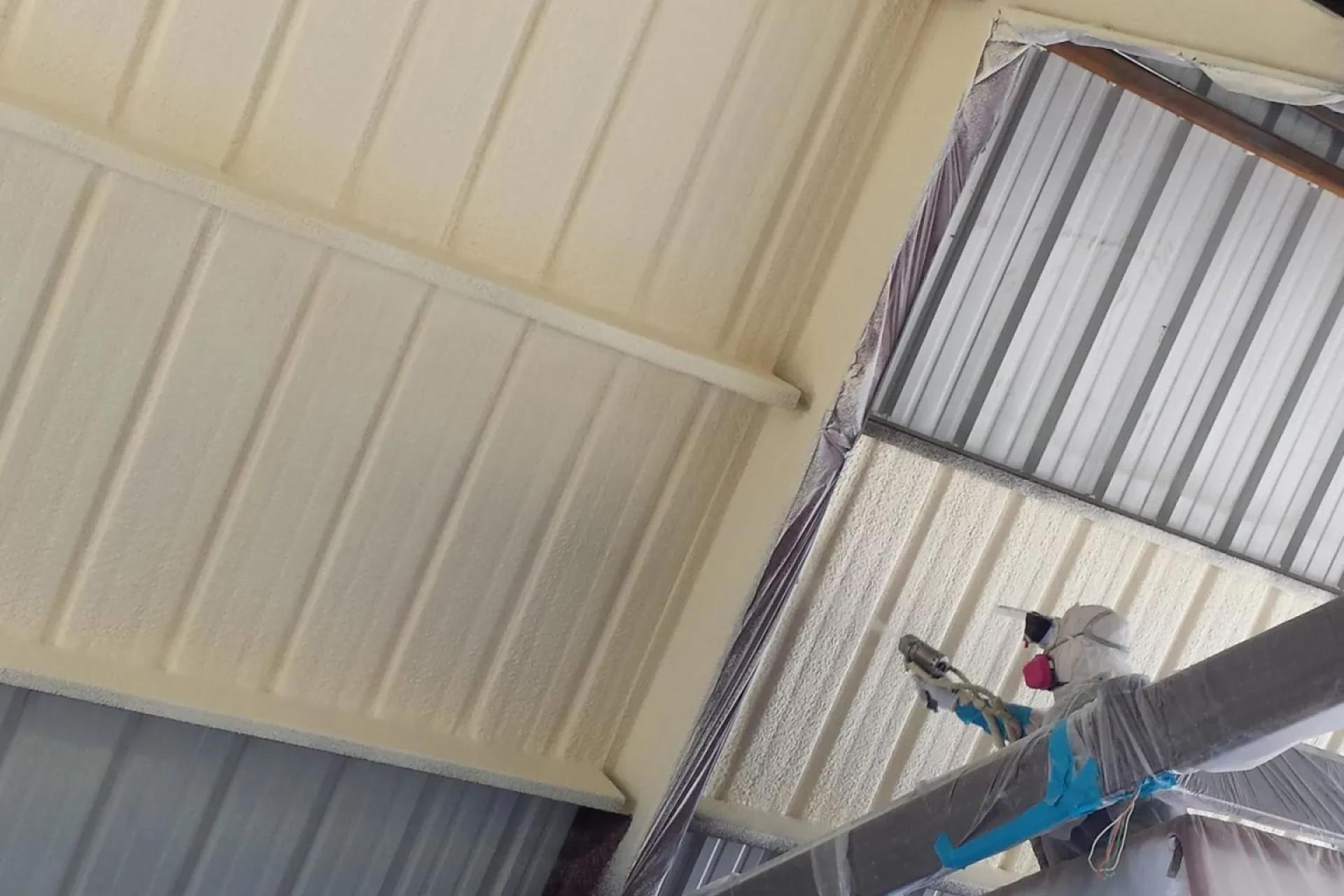
Spray foam protects Orange Beach homes from mold by stopping moisture infiltration at its source. The insulation creates an airtight, moisture-resistant seal that blocks humid Gulf air and prevents internal condensation. In a coastal environment like Orange Beach, where year-round humidity and heavy storms are common, this barrier is essential to reduce mold growth.
Unlike fiberglass or cellulose, spray foam doesn’t absorb water. Closed-cell spray foam in particular acts as a vapor barrier, keeping damp air out and stabilizing indoor temperatures. This makes it one of the most effective mold-prevention tools for homes in high-humidity zones.
Mold Risk in Orange Beach Homes
The Gulf Coast’s subtropical climate drives mold growth through constant humidity, frequent rainfall, and poorly sealed building envelopes. When moisture enters wall cavities or attic spaces, warm temperatures accelerate fungal development. Most homeowners only notice it after damage has spread—often requiring costly remediation.
Spray foam combats this by completely sealing gaps and seams. Once applied, it expands to fill crevices, eliminating air leaks that carry moist air. It also stabilizes interior humidity levels by insulating against sudden temperature shifts, which can otherwise cause surface condensation.
Comparing Insulation Options for Mold Prevention
Insulation Type
Moisture Resistance
Mold Growth Risk
Air Sealing Capability
R-Value per Inch
Lifespan
Closed-Cell Spray Foam
Excellent
Minimal
High
6.0 – 7.0
30–50+ years
Open-Cell Spray Foam
Good
Low
Moderate
3.5 – 4.0
20–30 years
Fiberglass Batts
Poor
High
Low
2.9 – 3.8
10–25 years
Cellulose
Poor
High
Low
3.2 – 3.8
20–30 years
Closed-cell spray foam ranks highest in moisture resistance and air sealing, making it the best choice for mold control in coastal regions.
Technical Performance of Spray Foam Insulation
Property
Closed-Cell Spray Foam
Open-Cell Spray Foam
Vapor Permeability
<1.0 perm (acts as barrier)
10+ perms (not a barrier)
Water Absorption
<1% by volume
Can absorb moisture
Structural Rigidity
Adds wall strength
Soft and pliable
Expansion Rate
30–40x
100x
Ideal Application Areas
Rooflines, exteriors, crawlspaces
Interior walls, ceilings
These technical attributes directly affect how well each spray foam type resists mold development in Orange Beach’s damp environment.
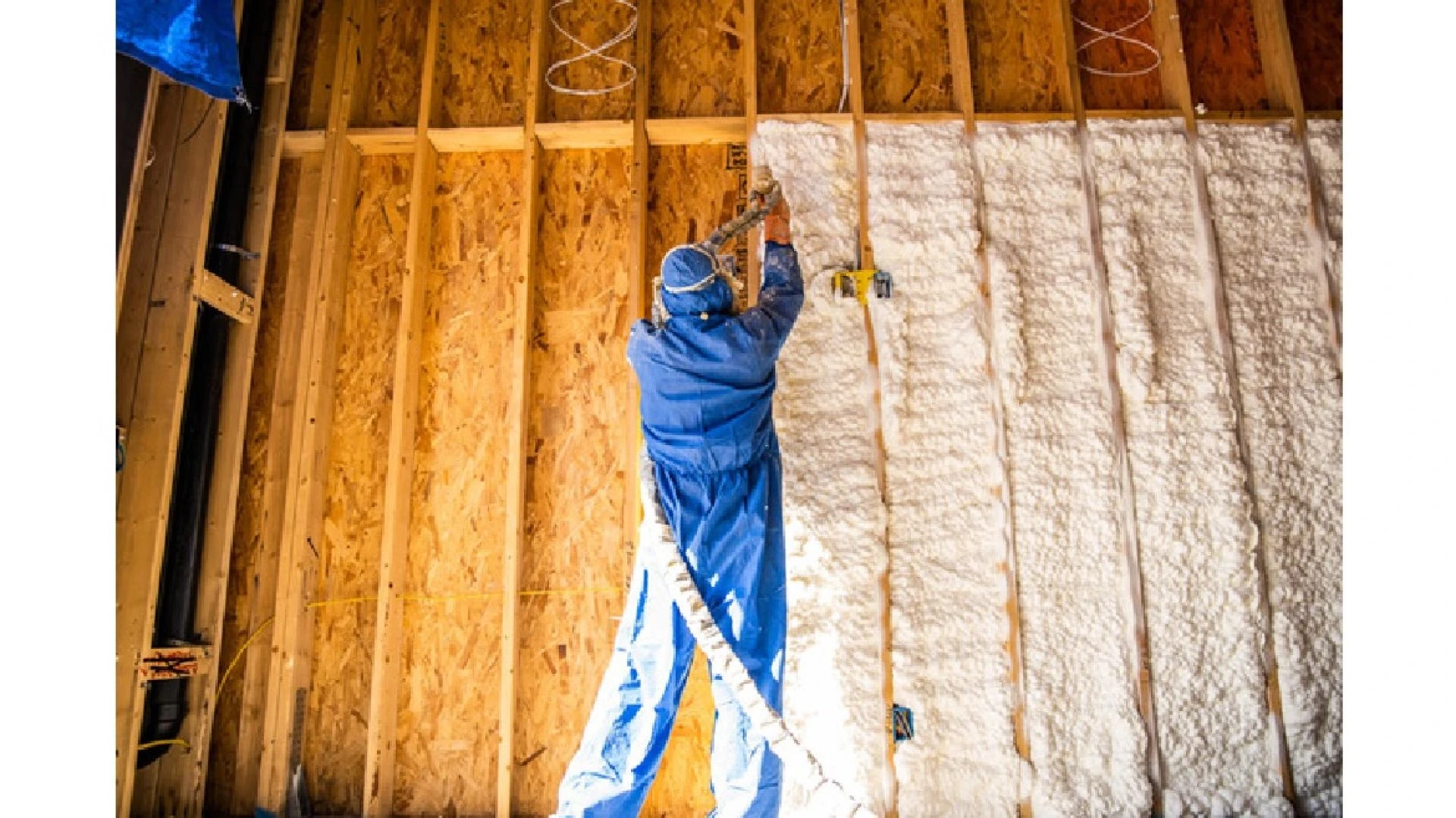
How Spray Foam Insulation Prevents Mold
Mold requires three key conditions: moisture, warmth, and an organic surface to grow on. Spray foam insulation interrupts this cycle by sealing out humid air and eliminating condensation. Once applied, it:
- Seals gaps and cracks that allow moisture-laden air inside
- Maintains consistent indoor temperatures, reducing surface condensation
- Prevents water intrusion during tropical storms or flooding (closed-cell)
This insulation method also minimizes the temperature differential between interior and exterior surfaces, which is a leading cause of condensation. Without that moisture, mold spores don’t activate.
Market Data on Mold Damage and Prevention
According to the Insurance Information Institute, mold claims in high-humidity states like Alabama cost homeowners an average of $10,000–$25,000 per incident. In regions along the Gulf Coast, over 65% of homes without sealed insulation systems report some form of mold-related damage within the first 10 years of occupancy.
Bonus Tip: Homes near saltwater are especially prone to structural degradation from mold and moisture—spray foam insulation protects against both.
Things to Consider Before Making a Decision
Before choosing spray foam insulation, homeowners should weigh several factors:
- Type of Foam: Closed-cell is best for moisture-heavy zones like Orange Beach. It offers vapor resistance and additional structural support.
- Budget: Upfront installation costs are higher than fiberglass or cellulose, but long-term savings from energy efficiency and mold prevention often outweigh the initial investment.
- Installation Access: Existing homes may require partial demolition to access wall cavities. New construction is typically simpler to insulate fully.
- Contractor Expertise: Proper application is essential. Uneven coverage or poor mixing can compromise effectiveness and lead to issues.
Bonus Tip: Request a post-installation blower door test to confirm airtightness across the building envelope.
Common Questions About Spray Foam and Mold Protection
Does spray foam stop existing mold from spreading?
No. It prevents future moisture but does not remediate existing mold. All contaminated materials must be removed before application.
Is spray foam safe for humid climates?
Yes. It’s one of the safest and most effective insulation methods in high-humidity regions like Orange Beach.
How long does spray foam last?
When professionally installed, it lasts over 30 years with minimal degradation, making it a long-term mold defense solution.
Can spray foam be applied in attics and crawl spaces?
Yes. These are prime areas for mold due to trapped heat and moisture. Closed-cell spray foam performs well in both zones.
FAQ
Is spray foam insulation waterproof?
Closed-cell spray foam is water-resistant and acts as a vapor barrier, but it is not designed for direct water exposure over time.
Will spray foam make my house too airtight?
It seals the structure effectively, so mechanical ventilation (like an ERV or HRV) may be needed in sealed homes.
Does spray foam require maintenance?
Not typically. Once applied, it remains stable unless physically damaged.
Is it worth using open-cell foam in humid areas?
Open-cell foam is better for soundproofing but isn’t ideal where moisture control is critical, like coastal zones.
What should I do before installing spray foam?
Ensure all surfaces are dry and clean, existing mold is remediated, and wiring/plumbing is inspected for accessibility.
Conclusion
Spray foam insulation in Orange Beach, AL provides a reliable barrier against mold in Orange Beach homes by sealing out moisture and stabilizing interior conditions. In a region where high humidity is constant, preventing mold growth starts with eliminating airflow and condensation at the source.
Evaluate your home’s specific risk factors, including structural gaps, attic ventilation, and coastal exposure. For homeowners in Orange Beach, spray foam insulation offers a long-term strategy to prevent costly mold problems and enhance indoor air quality.
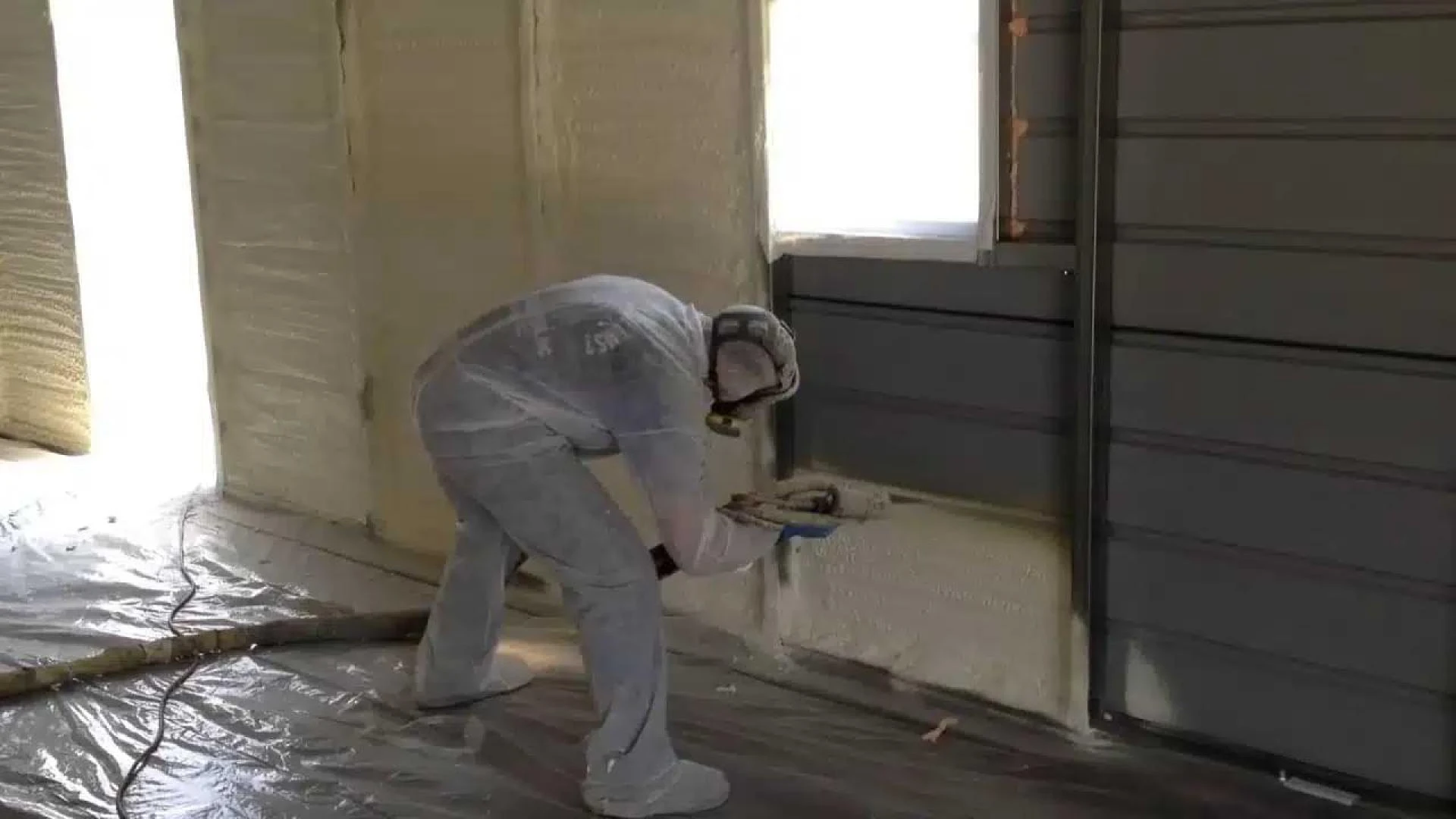
Ready to Achieve Long-Term Mold Protection?
Apply these insights now: Schedule your mold-prevention insulation assessment with Prestige Insulation Solutions LLC. Get expert input tailored to your property’s needs.
Contact: Prestige Insulation Solutions
Phone: (850) 429-4969
Email: [email protected]
Reviewer:
With over 13 years in spray foam insulation, Benjamin Lee reviewed this content and offered feedback aimed at helping growing businesses connect with local homeowners and commercial clients more effectively.