Air leaks and drafts are some of the most common issues in homes and commercial spaces. They may seem minor, but even small gaps can lead to major energy loss and discomfort. Many property owners struggle with uneven temperatures, rising energy bills, and constant HVAC usage without realizing that air leakage is the root cause.
This is where spray foam insulation becomes a powerful solution. It not only insulates but also seals every crack and opening, helping improve comfort and overall building performance.
What Causes Air Leaks and Drafts
Air leaks occur when outside air enters a building through gaps, cracks, or poorly sealed areas. Drafts are the noticeable movement of this air, often felt near windows, doors, or walls.
These issues are more common than most people think. Even newly built homes can have hidden gaps that allow air to pass through.
Poor construction practices, aging materials, and improper insulation all contribute to this problem. Over time, these small openings can lead to significant energy loss.
Common Areas Where Air Leaks Occur
- Around windows and doors
- Electrical outlets and switches
- Attic and roof joints
- Crawl spaces and basements
- Ductwork connections
By addressing these areas with spray foam insulation, property owners can significantly reduce unwanted airflow.
How Spray Insulation Works
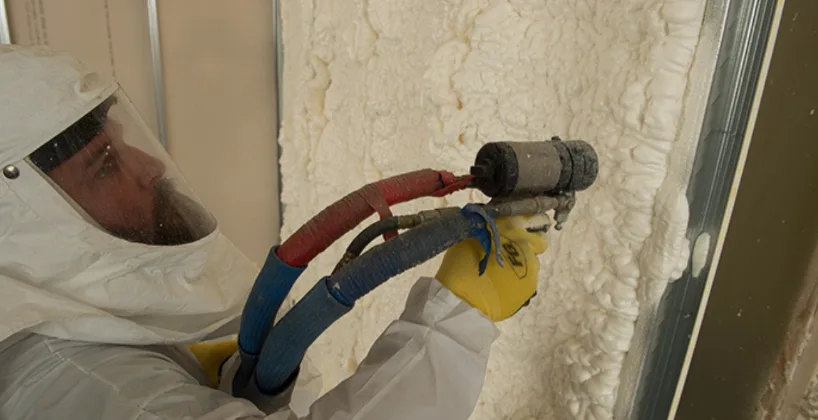
Spray insulation is applied as a liquid that quickly expands into a solid foam. As it expands, it fills every gap, crack, and cavity, creating a seamless barrier.
Unlike traditional insulation, it does not leave any space for air to pass through. This is what makes it highly effective at preventing leaks and drafts.
It also adheres to surfaces, ensuring long-lasting performance without shifting or settling.
Types of Spray Foam
- Open cell foam, which is softer and allows some airflow control
- Closed-cell foam, which is dense and provides a complete seal
Both types contribute to comfort, but closed-cell foam offers stronger air sealing.
The Science Behind Air Sealing
Air movement inside buildings follows pressure differences. Warm air rises and escapes through the top of the building, while cooler air enters from lower levels.
This process, often called the stack effect, creates continuous airflow that leads to energy loss.
Spray foam insulation interrupts this cycle by sealing all entry and exit points. It creates a controlled environment where air movement is minimized.
Key Air Sealing Benefits
- Stops uncontrolled airflow
- Maintains stable indoor pressure
- Reduces energy waste
- Improves temperature consistency
These factors directly contribute to better home comfort throughout the building.
Eliminating Drafts for Better Comfort
Drafts can make indoor spaces uncomfortable, even when heating or cooling systems are running. They create cold spots in winter and warm spots in summer.
By sealing gaps completely, spray foam insulation eliminates these drafts and creates a more consistent indoor environment.
This makes living and working spaces more comfortable year-round.
Comfort Improvements
- No cold or hot spots
- Even temperature distribution
- Reduced need for constant thermostat adjustments
- Improved indoor air stability
These changes make a noticeable difference in everyday comfort levels.
Energy Efficiency and Cost Savings
Air leaks are a major cause of energy loss. When conditioned air escapes, HVAC systems must work harder to maintain the desired temperature.
Spray foam insulation reduces this energy loss by sealing all gaps. This improves efficiency and lowers energy consumption.
Over time, the savings on utility bills can offset the initial installation cost.
How It Saves Energy
- Prevents heat loss in winter
- Keeps cool air inside during summer
- Reduces HVAC runtime
- Lowers monthly energy bills
These benefits make it a smart investment for improving home comfort and efficiency.
Moisture Control and Air Quality
Air leaks often bring moisture into a building. This can lead to condensation, mold growth, and poor indoor air quality.
By sealing these leaks, spray insulation helps control moisture levels and protect the building structure. It also reduces the entry of dust, allergens, and pollutants.
Indoor Air Quality Benefits
- Less humidity buildup
- Reduced mold risk
- Cleaner indoor air
- Healthier living environment
These improvements contribute to both comfort and safety.
Long Term Performance and Durability
One of the biggest advantages of spray insulation is its durability. Unlike traditional materials, it does not sag, settle, or degrade over time.
Once applied, it maintains its shape and effectiveness for years. This ensures consistent performance and reduces the need for maintenance.
Durability Advantages
- Long lifespan
- Resistant to moisture damage
- Maintains air sealing properties
- Minimal maintenance required
This long-term reliability supports better home comfort without frequent upgrades.
Comparison with Traditional Insulation
Traditional insulation materials like fiberglass and cellulose can slow heat transfer, but they do not effectively stop air movement. This means drafts and leaks can still occur even when insulation is present.
Comparison Table
FeatureSpray InsulationTraditional InsulationAir SealingExcellentLimitedDraft PreventionHighModerateEnergy EfficiencyHighModerateLifespanLongMediumMaintenanceLowModerateThis comparison highlights why many homeowners prefer spray insulation for better performance.
Key Areas to Apply Spray Foam
To maximize results, spray foam should be applied in areas where air leaks are most common. Targeting these spaces ensures complete sealing and improved efficiency.
Recommended Areas
- Attics and rooflines
- Crawl spaces and basements
- Wall cavities
- Around windows and doors
- Rim joists and ductwork
Applying insulation in these areas enhances both performance and home comfort.
Additional Benefits of Spray Foam
Beyond preventing air leaks and drafts, spray foam offers several additional advantages. These features make it a comprehensive insulation solution for modern buildings.
Added Benefits
- Reduces noise transmission
- Strengthens structural integrity
- Prevents pest entry
- Improves overall building efficiency
These are often highlighted when discussing spray foam insulation benefits for residential and commercial properties.
Conclusion
Air leaks and drafts can significantly impact comfort, energy efficiency, and indoor air quality. Addressing these issues is essential for maintaining a well-performing building.
Spray insulation provides a complete solution by sealing gaps, reducing energy loss, and improving indoor conditions. It plays a key role in enhancing home comfort while delivering long-term value.
For best results, working with experienced professionals like Butler Professional Sprayfoam ensures proper installation and maximum performance.
FAQs
1. How does spray foam stop air leaks
It expands to fill gaps and creates an airtight seal that prevents air movement.
2. Is spray foam better than traditional insulation
Yes, it provides both insulation and air sealing, making it more effective.
3. Can spray foam reduce drafts completely
When properly installed, it can eliminate most drafts in a building.
4. Does spray foam improve indoor air quality
Yes, it reduces the entry of pollutants and controls moisture levels.
5. Where should spray foam be applied for best results
It is most effective in attics, walls, crawl spaces, and around openings.