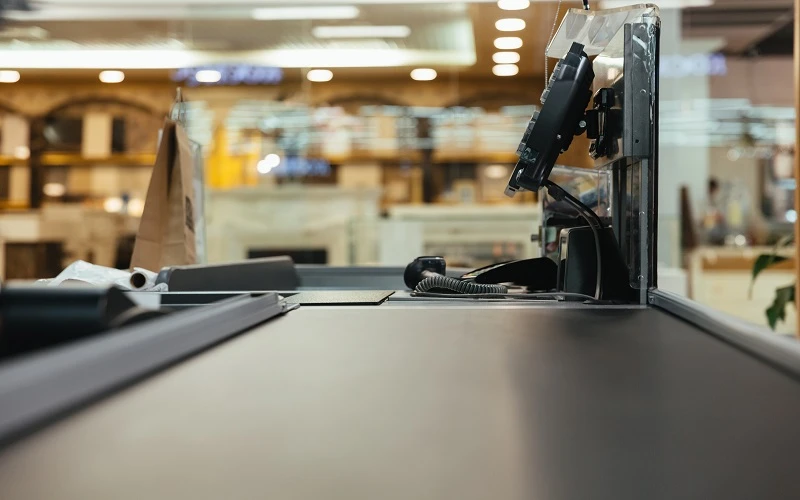
When people think about supermarket checkouts in the UK, they often picture the queues, conveyor belts, and quick chats with cashiers. But the truth is, supermarket checkout counters play a much larger role in shaping customer satisfaction than many retailers realize.
A well-designed supermarket checkout counter is not just about moving products across a scanner. It affects queue times, impulse purchases, customer mood, and even how shoppers view the store’s brand.
In this article, we’ll dive into why supermarket checkout counters in the UK deserve more attention, how they influence customer experience, and what businesses can do to optimize them.
Why Checkout Counters Matter in Supermarkets
For most UK shoppers, the checkout area is the final impression they get before leaving a store. That moment can leave them feeling either satisfied or frustrated.
Here’s why checkout counters deserve serious consideration:
- They are the last stop before customers leave, influencing repeat business.
- Long queues or confusing layouts can cause frustration and basket abandonment.
- Smartly designed counters boost impulse sales through product placements.
- Efficient counters help staff work faster and reduce operating costs.
In a competitive retail environment, particularly in the UK where choices range from big supermarkets like Tesco and Sainsbury’s to smaller local shops, every detail matters including how checkout counters are arranged and managed.
Common Checkout Counter Challenges in UK Supermarkets
Many supermarket checkouts in the UK face similar pain points:
- Limited space for queuing, especially in smaller stores
- Inefficient layouts causing unnecessary delays
- Lack of clear signage or payment instructions
- Outdated technology slowing down transactions
For supermarket owners, fixing these issues can improve not just customer satisfaction but also revenue.
How Supermarket Checkout Counters Affect Customer Satisfaction
Let’s break down how these counters directly influence how shoppers feel:
1. Queue Length and Wait Time
Nobody enjoys standing in line for too long. In fact, studies show UK shoppers expect to wait no longer than 5–7 minutes at a supermarket checkout.
Efficiently designed checkout counters help:
- Speed up processing times
- Distribute queues evenly
- Make the wait feel shorter through visual merchandising
Many UK retailers now use self-checkout options alongside traditional supermarket checkout counters to reduce queue length.
2. Comfort and Accessibility
A cramped checkout space can make shopping uncomfortable especially for families, elderly shoppers, or those with accessibility needs.
Modern supermarket checkouts in the UK increasingly priorities:
- Wider lanes for wheelchair users
- Adjustable counters for different heights
- Clear signage for payment options
3. Product Placement and Impulse Buys
You’ve likely noticed chocolates, chewing gum, and magazines placed near supermarket checkout counters. This isn’t random it’s a proven retail strategy.
Checkout counters influence last-minute purchases when customers are already in a buying mindset. Smart product placement increases revenue without feeling pushy.
4. Technology and Payment Options
Today’s shoppers expect fast, flexible payment options. Outdated tills or slow card machines can frustrate even the most patient customer.
Supermarkets in the UK now incorporate:
- Contactless payment
- Mobile pay services
- Self-service checkouts
These upgrades help improve customer satisfaction while reducing the pressure on staff.
Best Practices for Designing Supermarket Checkout Counters
If you’re a retailer or supermarket manager, here are some tips for optimizing your checkout counters:
✅ Keep the Layout Simple and Clear:
Avoid clutter and make sure shoppers know exactly where to queue and pay.
✅ Invest in Reliable Technology:
Old machines cost more in lost time and frustrated customers than they save.
✅ Plan for Accessibility:
Ensure there’s enough space for pushchairs, wheelchairs, and trolleys to move easily.
✅ Train Staff Effectively:
Friendly, well-trained cashiers make a huge difference at the checkout stage.
✅ Use Checkout Space Wisely:
Place small, low-cost items near counters to encourage impulse purchases.
Also, read about the Essential Features Every Supermarket Checkout Counter Should Have
The Role of Self-Checkout Counters in the UK
Supermarket checkouts in the UK have increasingly adopted self-service tills. While some customers love the speed, others prefer human interaction.
The key is balance:
- Offer both staffed checkout counters and self-checkouts
- Position staff nearby to assist with self-checkout issues
- Make sure signage clearly explains how to use the machines
Self-checkouts also free up space in stores where a full bank of staffed counters isn’t possible.
Trends in Supermarket Checkouts in the UK
The retail landscape in the UK is evolving, and so is how checkout counters operate. Here are some trends to watch:
- Cashless payments becoming the norm
- Digital screens at checkout counters displaying offers and promotions
- Eco-friendly checkout areas using recycled materials
- Smaller, express counters in convenience-focused supermarkets
Even in traditional supermarkets, these changes help attract younger, tech-savvy shoppers while still serving loyal customers who prefer the classic experience.
Real-Life Example: UK Supermarket Adapting Checkout Counters
One example is a large chain like Waitrose, which has redesigned many of its stores to include wider lanes and mobile scan-and-pay options.
By focusing on improving supermarket checkouts in the UK, they’ve:
- Reduced customer complaints about waiting times
- Increased revenue through impulse purchases at counters
- Strengthened their brand image as a customer-first supermarket
Final Thoughts
Supermarket checkout counters may seem like a small detail, but for customers in the UK, they make a lasting impression.
From queue management and accessibility to payment technology and impulse sales, these counters are more than just a place to pay they’re a key part of the overall shopping experience.
Whether you’re managing a large supermarket or a small local shop, optimizing your checkout counter design can lead to happier customers and better business results.
By paying attention to how supermarket checkouts in the UK impact customer satisfaction, retailers can stay competitive in an increasingly customer-focused market.
If you’d like help creating guest post content around supermarket equipment or UK retail topics, feel free to ask!