Deep Vein Thrombosis can become life-threatening when not treated at the right time, especially in severe cases where large clots block major veins. Modern medicine has transformed how these conditions are managed, making treatment safer, faster, and more effective. Consulting a Deep Vein Thrombosis Surgeon in Jaipur ensures that even advanced cases are handled with precision using the latest medical techniques.
Today, specialized centers like Endovascular Clinic provide comprehensive care using Interventional Radiology. Under the expertise of Dr. Nikhil Bansal, patients receive minimally invasive, image-guided treatment designed for better outcomes and faster recovery.
Understanding Severe DVT and Its Risks
Severe DVT occurs when large or multiple clots significantly block blood flow in deep veins, usually in the legs. If not treated promptly, the clot can travel to the lungs and cause a pulmonary embolism, which is a medical emergency.
Why Severe DVT Needs Immediate Attention
Severe cases can lead to complications such as chronic swelling, skin damage, and long-term circulation issues. Early intervention by a Deep Vein Thrombosis Surgeon in Jaipur is essential to prevent these risks and restore proper blood flow.
Advanced Diagnosis for Severe DVT
Accurate diagnosis plays a crucial role in planning the right treatment.
Diagnostic Methods Used
- Doppler Ultrasound for real-time clot detection
- CT or MRI scans for detailed imaging
- Blood tests to assess clotting factors
These tests help determine the size, location, and severity of the clot, allowing for a targeted treatment approach.
Step-by-Step Approach to Treating Severe DVT
Managing severe DVT requires a structured and personalized treatment plan.
1. Detailed Evaluation
The process begins with a comprehensive assessment of symptoms, medical history, and risk factors.
2. Risk Assessment and Stabilization
In severe cases, immediate measures are taken to stabilize the patient and prevent clot movement.
3. Minimally Invasive Intervention
Advanced procedures are used to remove or dissolve the clot.
4. Post-Treatment Care
Follow-up care ensures proper recovery and reduces the risk of recurrence.
Modern Treatment Options for Severe DVT
Today, treatment focuses on removing the clot and restoring normal blood flow using minimally invasive techniques.
Advanced Treatment Methods Explained
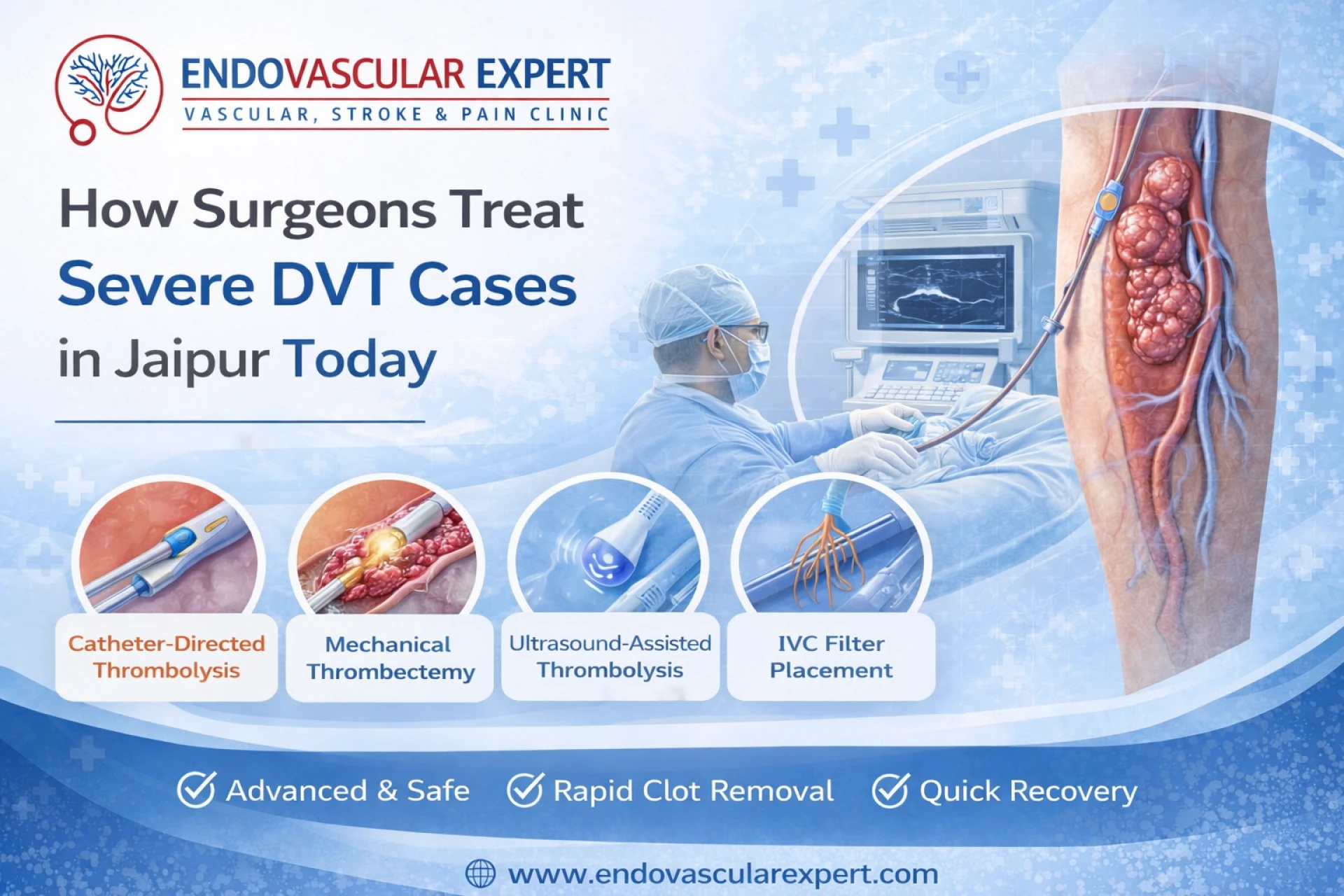
Catheter-Directed Thrombolysis involves delivering clot-dissolving medication directly into the clot through a thin catheter. This ensures faster and more effective results.
Mechanical Thrombectomy uses specialized devices to physically remove the clot, providing immediate relief from blockage.
Anticoagulant Therapy is used to prevent further clot formation and reduce the risk of recurrence.
In some cases, Inferior Vena Cava (IVC) filters may be used to prevent clots from reaching the lungs.
These advanced methods have significantly improved the success rate of severe DVT treatment.
Role of Interventional Radiology in DVT Treatment
Interventional Radiology is at the core of modern DVT management.
Key Benefits
- Minimally invasive procedures with no major surgery
- Real-time imaging for high precision
- Faster recovery compared to traditional methods
- Reduced risk of complications
- Short hospital stay
This approach is also widely used in procedures like Uterine Fibroids Treatment in Jaipur and Thyroid Nodule Treatment in Jaipur, highlighting its versatility in modern healthcare.
Expertise of Dr. Nikhil Bansal
Dr. Nikhil Bansal is a highly experienced Interventional Radiologist known for managing complex vascular conditions, including severe DVT cases.
Detailed Professional Highlights
- Specialized in minimally invasive, image-guided procedures
- Extensive experience in treating DVT and vascular disorders
- Expertise in thrombolysis, thrombectomy, and advanced vascular interventions
- Focus on patient safety, comfort, and long-term outcomes
- Uses advanced technology for precise diagnosis and treatment
At Endovascular Clinic, his patient-centric approach ensures that even severe cases are treated effectively with personalized care.
Recovery and Long-Term Management
Recovery after severe DVT treatment is an important part of the overall process.
What Patients Can Expect
- Reduction in pain and swelling
- Improved blood circulation
- Use of compression therapy if needed
- Regular follow-up visits
- Lifestyle guidance to prevent recurrence
Patients are encouraged to stay active and follow medical advice to maintain long-term health.
When Should You Seek Immediate Treatment
Recognizing the signs of severe DVT can save lives.
Emergency Symptoms
- Sudden and severe leg swelling
- Intense pain or tenderness
- Warmth and redness in the affected area
- Difficulty breathing or chest pain
If you experience any of these symptoms, consult a Deep Vein Thrombosis Surgeon in Jaipur immediately.
FAQs About Severe DVT Treatment
Can severe DVT be treated without surgery
Yes, most cases are managed using minimally invasive techniques.
Is treatment painful
Modern procedures involve minimal discomfort due to advanced technology.
How long does recovery take
Recovery varies but is generally quicker compared to traditional surgery.
Is hospitalization required
Some cases may require short hospital stays depending on severity.
Can DVT recur after treatment
Yes, but proper care and follow-up can significantly reduce the risk.
Conclusion
Severe DVT is a serious condition, but with modern medical advancements, it can be treated effectively and safely. Early diagnosis, advanced technology, and expert care play a crucial role in successful outcomes.
If you are experiencing symptoms, consulting an experienced Deep Vein Thrombosis Surgeon in Jaipur is essential. Specialists like Dr. Nikhil Bansal at Endovascular Clinic provide advanced, minimally invasive treatments tailored to each patient.
Do not delay treatment. Take the first step today toward better vascular health and a safer future with expert care.