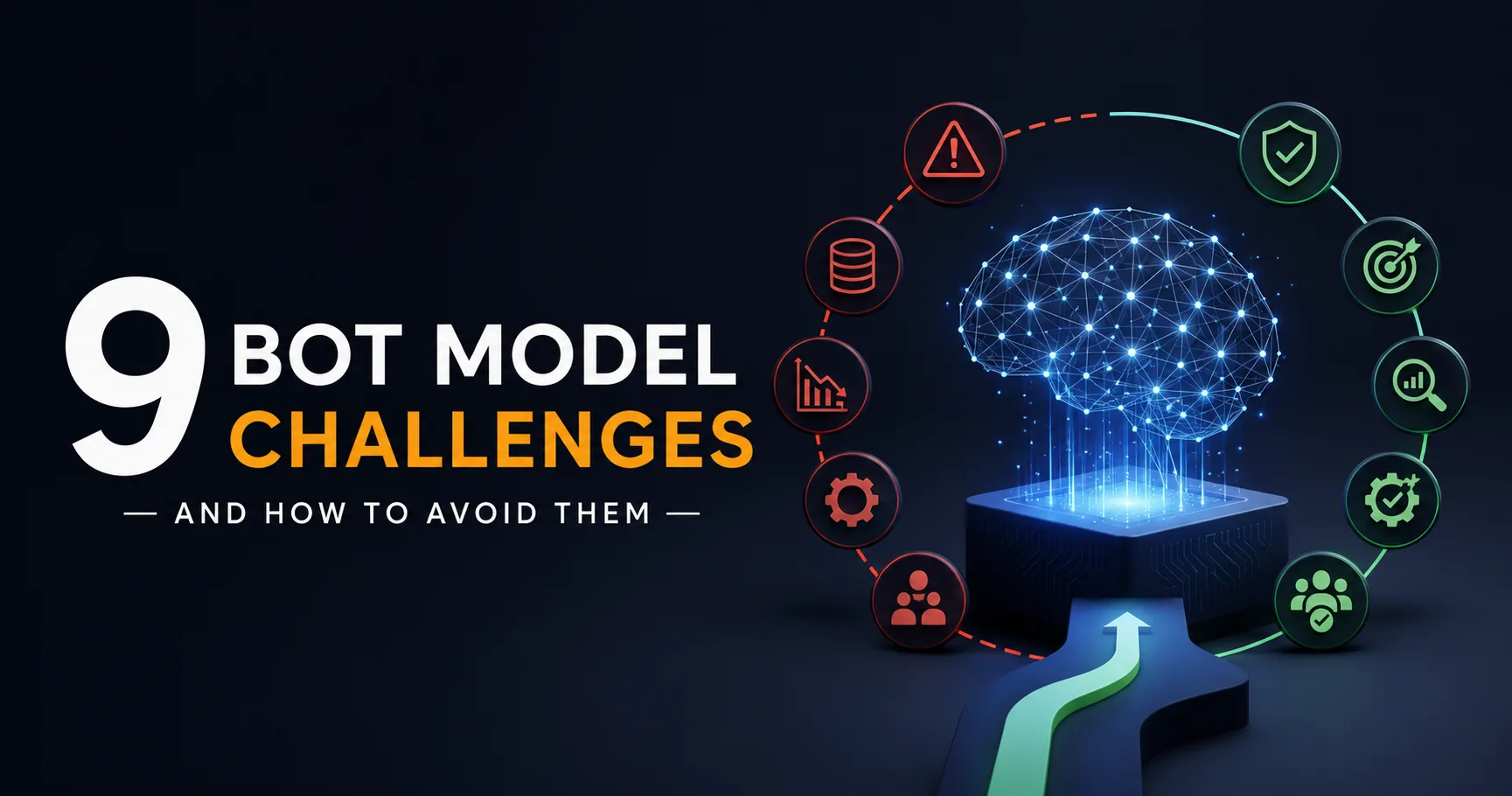
Build Operate Transfer is the lower-risk way to end up with your own Global Capability Center in India, but "lower risk" is not "no risk." Most BOT engagements that go sideways fail for the same handful of reasons, and every one of them is avoidable if you plan for it before signing. The problems rarely show up in the pitch. They show up in month four, or worse, at transfer.
Here are the nine challenges companies hit most often during BOT model implementation, and how to head off each one. Treat this as a pre-flight checklist for setting up a GCC in India through a phased route.
1. Ambiguous Transfer Terms
The most common failure is a transfer clause that was never nailed down. When triggers, fees, and timelines are vague, the handover becomes a negotiation instead of a formality.
How to avoid it: fix the transfer terms in the Build phase, in writing, before any hiring starts. Know what triggers transfer, what it costs, and when it happens.
2. Unclear IP Ownership
Your team builds software during the operate phase, and if the contract does not state that intellectual property transfers cleanly to you, you can find your product entangled with the partner's rights at handover.
How to avoid it: confirm IP ownership at each stage up front, with full ownership passing to you post-transfer. Do not accept vague language here.
3. High Attrition in the Operate Phase
A team that churns hands you instability instead of capability. In a tight talent market, attrition is the quiet killer of BOT engagements, and it hurts most just before transfer.
How to avoid it: choose a partner with a real retention track record, competitive local compensation, and a plan for engagement and growth. Ask what their attrition rate actually is.
4. Picking the Wrong City
Where you set up shapes talent quality, cost, and attrition. Default to Bangalore and you get the deepest talent at the highest cost and the most poaching. Ignore tier-2 cities and you may overpay.
How to avoid it: match the city to your roles and budget. Hyderabad and Pune balance talent and cost, Chennai is strong for product and deep tech, and tier-2 options can run notably lower. A good partner recommends based on your needs, not its office location.
5. Compliance and Entity Gaps
A GCC in India requires a registered legal entity plus ongoing corporate, tax, payroll, and data-security compliance. Underestimate this and you create liabilities that surface at the worst time, often during the transfer audit.
How to avoid it: work with a partner who handles entity formation and coordinates ongoing compliance, backed by ISO 27001 and SOC 2 practices, and who brings in legal and tax specialists where needed.
6. Weak Knowledge Transfer
If everything about how the center runs lives in the partner's people, the transfer moves the walls but not the knowledge. You inherit a team you do not know how to operate.
How to avoid it: use the operate phase deliberately to move processes, standards, and documentation to your side. Make knowledge transfer a named deliverable, not an afterthought.
7. Underestimating the Timeline
Companies that expect a full center in a few weeks get frustrated and cut corners. A GCC in India is typically operational in 6 to 9 months: feasibility, then entity and infrastructure, then hiring and ramp.
How to avoid it: plan against a realistic 6-to-9-month timeline and treat any promise of a full center in weeks as a warning sign. Speed that skips feasibility usually costs more later.
8. Cost Surprises at Handover
Setup for a GCC in India commonly runs $200,000 to $500,000, statutory overhead adds roughly 15 to 22 percent on salaries, and there is usually a transfer fee. A low headline quote that omits these produces a painful bill at transfer.
How to avoid it: get a fixed scope after feasibility that lists setup cost, run cost per engineer, statutory overhead, and the transfer fee. Know the full number before you commit.
9. Choosing an Advisory-Only Partner
A firm that only advises writes you a plan and hands you off. When delivery gets hard, no one owns the outcome. BOT needs a partner accountable through build, operate, and transfer.
How to avoid it: pick a partner who builds and staffs, not just advises. A delivery record, such as MetaDesign Solutions placing 400+ engineers over 20-plus years, means the partner shares the risk with you rather than watching from the sideline.
Real-World Use Case
An enterprise software company saw the India regulatory landscape as the main barrier to setting up a center. Rather than absorb that risk alone, they used BOT with a delivery partner who handled entity, compliance, hiring, and governance, and stood up a 40-person center in under three months. Because transfer terms and IP were fixed at the start and knowledge transfer was built into the operate phase, the handover was clean. The challenges above were designed out before they could bite.
Conclusion and Next Step
Every one of these nine challenges is predictable, and every one is avoidable with planning. Lock the transfer terms and IP early, plan for retention and realistic timelines, match the city to your roles, close the compliance gaps, make knowledge transfer a deliverable, get a full-cost fixed scope, and choose a partner who actually delivers. Do that, and BOT becomes the low-drama route to an owned Global Capability Center it is supposed to be.
Planning a BOT implementation or a full GCC setup in India? Book a consultation with MetaDesign Solutions. We surface these risks in feasibility and put transfer terms, compliance, and a fixed scope on the table before you commit. We sign NDAs and respond within one business day.
Frequently Asked Questions
What is the most common BOT implementation challenge?
Ambiguous transfer terms. When triggers, fees, and timelines are not fixed early, the handover turns into a dispute instead of a formality.
What is a Global Capability Center?
A company-owned office, usually in India, that runs engineering, product, and support as your own team rather than an outsourced vendor, giving you control of talent, IP, and roadmap.
How do I reduce attrition in a BOT center?
Choose a partner with a proven retention record, pay competitive local compensation, and build engagement and growth paths. Ask for the partner's actual attrition rate before signing.
How long does a BOT implementation take?
A typical GCC in India is operational in 6 to 9 months, covering feasibility, entity and infrastructure, and hiring and ramp, before transfer to you.
Which Indian city should I choose for a GCC?
Match the city to your roles and budget. Bangalore has the deepest talent at the highest cost, Hyderabad and Pune balance both, and tier-2 cities can run lower.
What compliance does a GCC in India require?
A registered legal entity plus ongoing corporate, tax, payroll, and data-security compliance. A capable partner handles this and coordinates legal and tax specialists where needed.
How do I avoid cost surprises at transfer?
Get a fixed scope after feasibility that lists setup cost, run cost per engineer, statutory overhead of roughly 15 to 22 percent, and the transfer fee, so there is no hidden bill.
Why is knowledge transfer a challenge in BOT?
If how the center runs stays in the partner's heads, you inherit a team without knowing how to operate it. Make knowledge transfer a named deliverable in the operate phase.
What does GCC mean in salary terms?
GCC roles are paid on India market salaries plus statutory overhead such as provident fund, gratuity, and ESI, which adds roughly 15 to 22 percent on top of base pay.
Is an advisory-only firm risky for BOT?
Yes. Advisory-only firms hand off after strategy and own no outcome. BOT needs a partner accountable through build, operate, and transfer, which means one that actually delivers.