
Unlocking the Study Mindset: A 2026 Reality Check
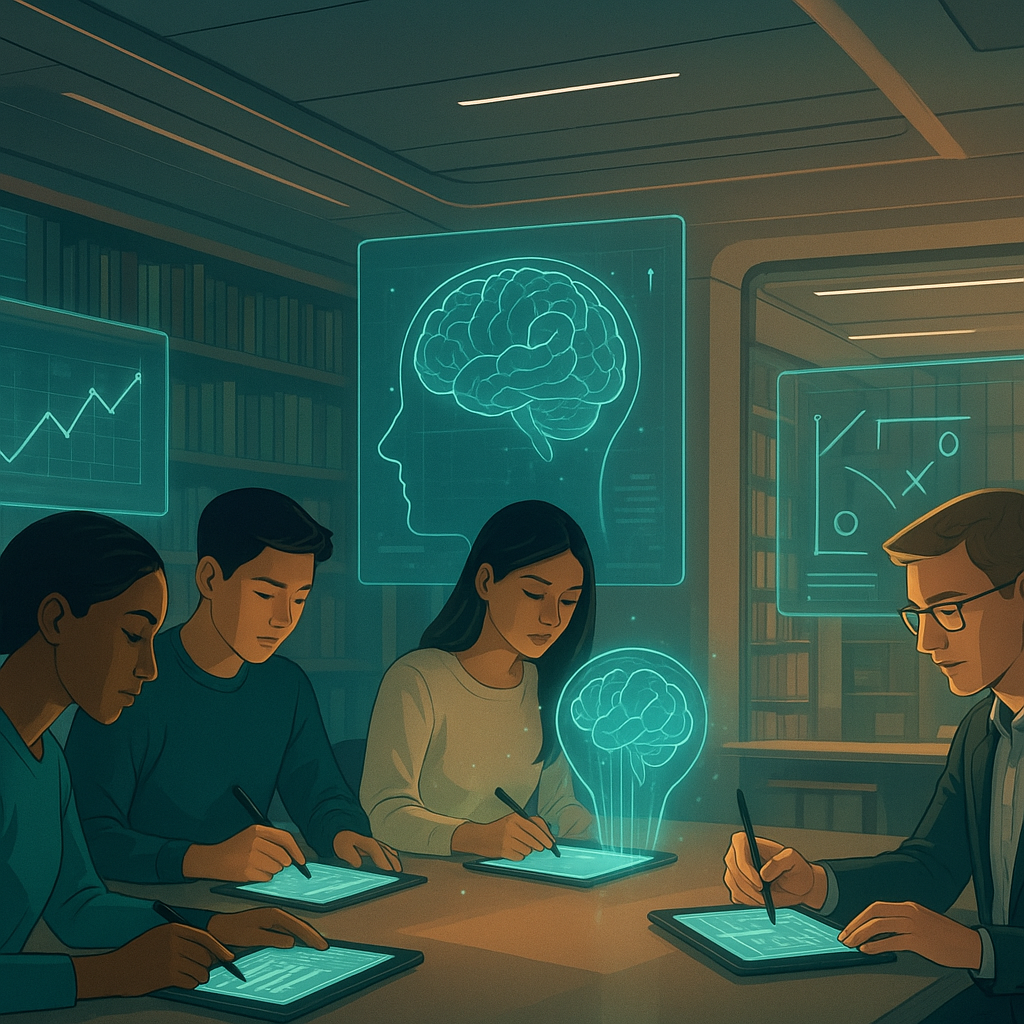
Imagine a university lecture hall in 2026: rows of students, augmented reality glasses perched on noses, digital notes floating alongside traditional notebooks. Yet, despite this technological leap, a persistent challenge remains—how to study effectively. Recent surveys by the National Education Association reveal that nearly 60% of college students still struggle to retain information beyond exams. This paradox of advanced tools versus enduring difficulties sets the stage for a deeper inquiry: what study tips truly work in this modern era?
The urgency is palpable. Cognitive scientists warn that passive learning habits—rereading textbooks or highlighting—are less effective than active engagement. Yet, many learners cling to these outdated methods. This article explores how a blend of neuroscience, technology, and proven strategies is reshaping study habits in 2026, moving students beyond rote memorization toward mastery.
“The future of learning isn’t just about access to information. It’s about how we interact with it, process it, and make it our own.” – Dr. Elena Martinez, Cognitive Psychologist
From Cramming to Cognition: The Evolution of Study Techniques
The journey to effective study habits is long and winding. Historically, education emphasized memorization and repetition, a legacy from the industrial age designed for uniformity rather than understanding. The 21st century brought a shift, spotlighting critical thinking and problem-solving. Yet, the persistence of suboptimal study techniques like last-minute cramming or passive review highlights a gap between pedagogy and practice.
By the early 2020s, advances in cognitive psychology began to inform educational strategies more rigorously. The spacing effect, retrieval practice, and interleaving—once niche concepts—emerged as pillars of effective learning. According to a 2023 meta-analysis published in the Journal of Educational Psychology, students employing these strategies improved retention by 40% compared to traditional methods.
Alongside these insights, digital platforms evolved. Early adopters like Quizlet and Anki introduced spaced repetition flashcards, but by 2026, AI-driven adaptive learning platforms personalize study schedules with precision, optimizing for individual cognitive profiles. These developments mark a shift from one-size-fits-all to bespoke learning pathways.
“Personalization in study techniques isn’t a luxury anymore; it’s becoming a necessity for meaningful learning.” – Jasmine Lee, CEO of LearnSmart AI
Core Strategies Backed by Data: What Really Works?
Identifying effective study tips requires rigorous scientific validation. Among the most robust findings in 2026 are five core strategies supported by extensive data:
- Spaced Repetition: Revisiting material at increasing intervals enhances long-term retention. A 2025 study by the Cognitive Science Institute found that learners using this technique scored 35% higher on cumulative tests.
- Retrieval Practice: Actively recalling information strengthens memory. The same study showed a 30% increase in recall accuracy when students self-quizzed regularly.
- Interleaved Practice: Mixing different topics or problem types during study sessions prevents cognitive fatigue and promotes flexible thinking.
- Elaborative Interrogation: Asking 'why' questions to deepen understanding, linked to a 25% boost in comprehension in controlled trials.
- Metacognitive Monitoring: Reflecting on one’s learning process and adjusting strategies accordingly, which improved outcomes by up to 20% in diverse student populations.
These approaches are no longer abstract theories. Educational institutions and edtech companies integrate them into curricula and apps. For instance, the University of California system adopted a blended model in 2025, combining spaced repetition with AI analytics, which led to a 15% uptick in graduation rates within a year.
Technology plays a crucial role. Modern apps can track study intervals, prompt retrieval exercises, and even analyze user engagement patterns to recommend optimal study breaks. This data-driven approach transforms study tips from generic advice into actionable, personalized guidance.
2026 Innovations Transforming Study Habits
The latest developments in 2026 reflect a synergy between neuroscience, AI, and behavioral science. One notable trend is the integration of biometric feedback in study sessions. Wearable devices now monitor indicators like heart rate variability and eye movement to detect focus lapses, prompting timely breaks or cognitive shifts.
Moreover, virtual and augmented reality (VR/AR) environments offer immersive learning experiences. For example, medical students can practice anatomy in 3D simulations, enhancing spatial understanding far beyond textbook diagrams. These immersive tools complement traditional study tips by engaging multiple senses, which research shows improves memory encoding.
Another breakthrough is the rise of "microlearning"—short, targeted study bursts optimized for busy schedules and enhanced by AI curation. A 2026 report by the Education Technology Association found that microlearning increased daily study frequency by 40%, with users reporting higher satisfaction and retention.
Artificial intelligence tutors have also matured. Beyond static flashcards, these systems engage in dynamic dialogue, adapting explanations in real time. Companies like LearnSmart AI and BrainTutor have deployed platforms that simulate Socratic questioning to deepen critical thinking skills.
These innovations highlight a key shift: study tips are no longer isolated techniques but part of integrated learning ecosystems. This trend aligns with findings published in TheOmniBuzz’s 2026 Trends in Study Tips, which underscores the move toward personalized, tech-enabled strategies.
Expert Insights and Industry Impact
Education experts emphasize that the most effective study tips combine evidence-based strategies with learner autonomy. Dr. Samuel O’Connor, an educational neuroscientist at Stanford University, notes, “We must empower students to understand their own cognitive rhythms and tailor study routines accordingly.”
Additionally, educators are reevaluating assessment methods to align with modern study strategies. Formative assessments and project-based evaluations increasingly replace high-stakes exams, encouraging continuous engagement rather than episodic cramming.
Industry players are responding. Edtech firms now invest heavily in AI research and user experience design to enhance study support tools. The financial scale is significant: the global edtech market, valued at $350 billion in 2025, is projected to grow by 12% annually, driven largely by demand for advanced study aids and personalized learning platforms.
Moreover, workplace training programs adopt these study principles to upskill employees efficiently. This cross-sector influence demonstrates that effective study tips have relevance beyond academia, shaping lifelong learning cultures.
What Lies Ahead: Future Directions for Study Mastery
Looking forward, study tips will continue to evolve as neuroscience uncovers deeper insights into memory consolidation and attention regulation. Emerging research on neuroplasticity suggests that adaptive learning platforms could one day modulate cognitive states directly through neurofeedback, optimizing study sessions in real time.
Furthermore, ethical considerations around data privacy and digital equity will shape the deployment of AI-driven study tools. Ensuring access for underrepresented groups remains a priority, as disparities in study resources can exacerbate educational inequalities.
Educators and learners alike should watch for developments in:
- Hybrid learning models that blend human mentorship with AI coaching
- Enhanced biometric and neurofeedback integration for personalized pacing
- Cross-disciplinary approaches combining cognitive science, behavioral economics, and technology
- Policy reforms promoting learner-centered assessment and skill validation
Ultimately, the core takeaway is clear: effective study in 2026 is a science-informed, technology-empowered, and learner-driven endeavor. Readers interested in practical applications can explore detailed techniques in TheOmniBuzz’s Unlocking Effective Study Habits and Mastering Study Strategies.
“In a knowledge economy, the ability to learn effectively is the most valuable skill. Study tips are not just habits; they are the foundation of future success.” – Dr. Samuel O’Connor