A great day on the snow starts long before the first chairlift ride. Riders who arrive with the right gear spend less time adjusting straps, fixing loose screws, or heading inside to warm up. A well-planned snowboard complete kit covers more than a board and bindings. It brings together protection, clothing, small on-hill tools, and maintenance supplies so every part of the day runs smoothly. Whether you are a beginner putting together your first setup or a returning rider refreshing old equipment, this checklist can help you pack with confidence.
Start With the Core Setup: Board, Bindings, and Boots
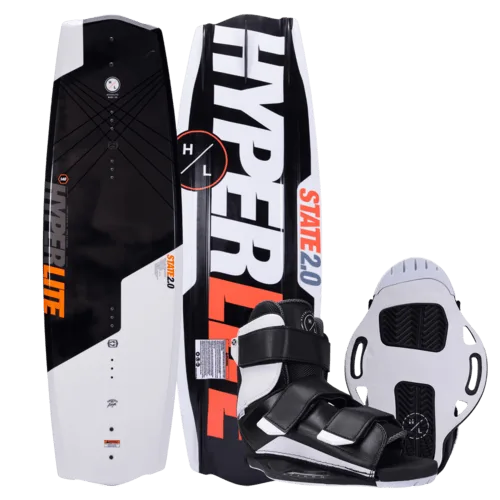
The board, bindings, and boots work as one system, so choose them together. Boots come first because comfort and fit affect every turn. A snug boot with no painful pressure points gives better control and less foot fatigue. Next, confirm that your bindings are compatible with the board’s mounting pattern and sized correctly for your boots. Finally, match the board length and flex to your weight, ability level, and the terrain you plan to ride. A specialty shop can check the fit and set your stance before you reach the mountain.
Protect Your Head and Eyes
A helmet is one of the most important pieces of any snowboard complete kit. Look for one certified for snow sports, such as ASTM F2040 or CE EN 1077, and make sure it fits snugly without pressing on your forehead. Goggles should sit comfortably with your helmet and leave no gap at the brow. Lens choice matters too. Darker lenses suit bright, sunny days, while lighter or low-light lenses improve contrast during the flat light and overcast weather common in the Pacific Northwest. Some riders also add impact shorts or wrist guards, especially while learning.
Dress in Layers for Changing Mountain Weather
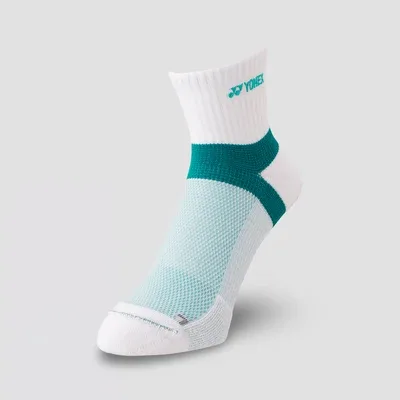
Mountain conditions can shift quickly, so layering is more effective than one heavy coat. Begin with a moisture-wicking base layer that moves sweat away from your skin, and avoid cotton because it stays wet and cold. Add a fleece or insulated midlayer for warmth, then finish with a waterproof, breathable jacket and pants. Waterproofing is especially valuable in wet snow regions. Complete the outfit with insulated gloves or mittens, a neck gaiter or facemask, and one pair of thin, over-the-calf snowboard socks. Wearing a single pair of quality socks usually keeps feet warmer than layering two.
Add the Small Accessories That Make a Big Difference
Small items often solve the problems that interrupt a ride. A stomp pad gives your rear foot grip when it is out of the binding, which helps when getting off a lift or skating across flat areas. A leash or retention device helps keep a loose board from sliding downhill. A snowboard multi-tool lets you tighten binding screws and adjust your stance on the spot, since hardware can loosen over a long day. A board lock adds peace of mind during lunch breaks, and a compact backpack can carry water, snacks, and an extra layer.
Pack a Basic Tuning and Waxing Kit
A board that glides smoothly is easier to control and more enjoyable to ride. Regular waxing protects the base and helps it run faster across changing snow temperatures. A simple home kit can include wax suited to the season, a scraper, a brush, and an edge tool for light touch-ups between professional tune-ups. Including these supplies in your snowboard complete kit makes it easier to keep your board in good condition throughout the season. For deep base damage or major edge work, a professional shop service is still the best choice.
Carry and Store Your Gear Properly
Good storage helps your equipment last longer. A padded board bag protects edges and the base during car trips or travel, and a separate boot bag keeps wet gear away from clothing. After every session, wipe off moisture, loosen your boots, and let gloves, liners, and outerwear dry completely. At the end of the season, apply a storage coat of wax and keep the board in a cool, dry place away from direct sunlight.
Prepare Carefully Before Riding the Backcountry
Riders who move into backcountry or splitboard terrain need additional equipment, including climbing skins, collapsible poles, an avalanche transceiver, a probe, and a shovel. Some riders also carry an avalanche airbag pack. However, equipment is only one part of backcountry safety. Formal avalanche education, current forecast information, and experienced partners are essential before leaving resort boundaries.
Conclusion
A complete snowboard setup brings together fit, protection, warmth, and preparation. Choose the board, bindings, and boots as one system, protect your head and eyes, dress in layers, and pack the small tools that prevent avoidable delays. With a thoughtfully assembled snowboard complete kit, you can spend less time fixing problems and more time enjoying the mountain. Shops such as Hillcrest Ski & Sports in Gresham, Oregon, can help riders compare accessories and choose the pieces that fit their style of riding.
Get ride-ready this season. Explore snowboard accessories and build a kit that keeps you comfortable, protected, and on the hill longer.