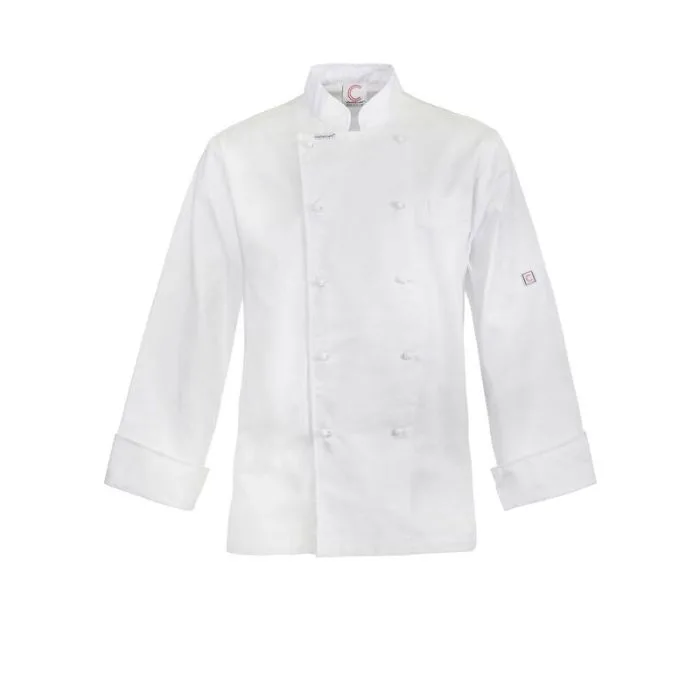
A professional kitchen is a fast-paced environment where hygiene, safety, and efficiency are essential. From head chefs and sous chefs to pastry chefs and kitchen assistants, every team member has specific responsibilities that influence the type of clothing they need. Choosing the right chef uniform is therefore about more than maintaining a professional appearance. It also supports comfort, mobility, cleanliness and workplace safety.
However, not every kitchen role requires the same uniform. While a head chef may need a traditional chef jacket and a professional appearance for managing the kitchen, a pastry chef may prioritise lightweight, comfortable clothing for detailed preparation work. Similarly, kitchen assistants and dishwashers need practical uniforms that can withstand frequent washing and exposure to water.
In this guide, we explore how to choose chef uniforms for different kitchen roles, the essential features to consider and how businesses can create a consistent, professional kitchen dress code.
Why Choosing the Right Chef Uniform Matters
Chef uniforms are designed to meet the practical demands of commercial kitchens. Employees regularly work around hot equipment, sharp utensils, spills and demanding preparation schedules. Suitable kitchen clothing can help address these everyday challenges.
Here are some important reasons to invest in appropriate chef uniforms:
- Workplace hygiene: Suitable garments help maintain cleanliness and reduce the risk of transferring contaminants.
- Comfort: Breathable fabrics and practical designs help employees remain comfortable during long shifts.
- Safety: Appropriate clothing can reduce certain workplace risks, particularly when combined with suitable footwear and other protective equipment.
- Professional appearance: Consistent uniforms create a coordinated appearance and help customers identify kitchen staff.
- Practicality: Functional pockets, durable fabrics and easy-care materials support everyday kitchen activities.
1. Head Chefs: Professionalism and Leadership
Head chefs oversee kitchen operations, manage staff, coordinate food preparation and maintain quality standards. Their uniforms should reflect their leadership position while providing the functionality needed for active kitchen work.
Recommended uniform components:
- Traditional chef jacket or premium chef coat.
- Comfortable chef pants with an adjustable waistband.
- Chef hat or professional kitchen cap.
- Non-slip, closed-toe kitchen shoes.
- Suitable apron for food preparation tasks.
What to look for:
Head chefs often move between food preparation stations, supervise staff and communicate with management. Their uniforms should balance a professional appearance with comfort and practicality.
A well-fitted chef jacket with breathable fabric, reinforced stitching and secure closures is a practical choice. Double-breasted designs are popular because they offer a traditional appearance and can be reversed when the outer layer becomes stained.
Neutral colours such as white, black and charcoal are common choices, although some establishments use distinctive colours to identify senior kitchen staff.
2. Sous Chefs: Comfort and Versatility
Sous chefs work closely with head chefs and help manage daily kitchen operations. They supervise cooking stations, coordinate food preparation, train junior employees and step in wherever additional support is required.
Because their responsibilities involve frequent movement, their uniforms should provide flexibility without compromising professionalism.
Recommended uniform components:
- Lightweight chef jacket.
- Stretchable or relaxed-fit chef pants.
- Breathable kitchen shirt.
- Adjustable apron.
- Comfortable, slip-resistant footwear.
What to look for:
Sous chefs benefit from uniforms made using breathable cotton or suitable poly-cotton blends. These fabrics can provide a balance of comfort, durability and ease of maintenance.
Look for practical features such as short or three-quarter sleeves, secure pockets and adjustable waistbands. These details help support movement throughout busy service periods.
Some restaurants also use different jacket colours or trims to distinguish sous chefs from other kitchen employees.
3. Pastry Chefs: Precision and Comfort
Pastry chefs prepare desserts, cakes, pastries, breads and other baked products. Their work often involves precise measurements, decorating, kneading and extended periods of standing.
Their uniforms should support freedom of movement while maintaining hygiene during delicate food preparation.
Recommended uniform components:
- Lightweight chef jacket.
- Comfortable chef pants.
- Short-sleeve kitchen shirt.
- Chef cap or suitable hair covering.
- Protective apron.
- Closed-toe, non-slip footwear.
What to look for:
Pastry kitchens can become warm, particularly around ovens and baking equipment. Breathable, lightweight fabrics can help improve comfort during extended working hours.
A shorter-sleeve chef jacket may also be practical for tasks requiring detailed hand and arm movements. Easy-care fabrics are worth considering because flour, chocolate, cream and other ingredients can easily stain clothing.
A clean, well-fitted uniform also helps pastry chefs maintain a professional appearance when working in open kitchens or interacting with customers.
4. Line Cooks: Durability and Mobility
Line cooks work at designated cooking stations and are responsible for preparing menu items during service. They may operate grills, fryers, ovens and stovetops while working under time pressure.
Their uniforms must withstand heat, frequent movement and regular exposure to food spills.
Recommended uniform components:
- Durable chef jacket or kitchen shirt.
- Flexible chef pants.
- Bib apron or waist apron.
- Breathable head covering.
- Slip-resistant kitchen shoes.
What to look for:
Line cooks should prioritise durable fabrics, comfortable fits and practical designs. Reinforced seams can help garments withstand regular washing and demanding working conditions.
Short-sleeve chef jackets may be suitable for some kitchen environments, while long sleeves may be appropriate where additional arm coverage is required. The choice should reflect the workplace risk assessment and applicable safety requirements.
Aprons with practical pockets can also help workers keep essential tools within easy reach.
5. Kitchen Assistants and Prep Cooks: Practicality and Hygiene
Kitchen assistants and prep cooks support the wider kitchen team by washing ingredients, chopping vegetables, preparing food and maintaining clean workstations.
Their uniforms need to be practical, easy to maintain and suitable for repetitive tasks.
Recommended uniform components:
- Basic chef jacket or kitchen shirt.
- Comfortable chef pants.
- Bib apron.
- Hairnet, cap or other suitable hair restraint.
- Closed-toe, slip-resistant footwear.
What to look for:
Kitchen assistants often perform tasks involving water, food ingredients and cleaning products. Uniforms should therefore be durable and easy to wash.
Poly-cotton fabrics can be a practical option because they combine the comfort of cotton with the durability and easy-care properties of polyester.
Adjustable aprons and relaxed-fit pants can also improve comfort during long preparation shifts.
6. Dishwashers and Kitchen Porters: Water Resistance and Protection
Dishwashers and kitchen porters work in areas where exposure to water, detergents, food waste and wet floors is common. Their clothing requirements differ from those of chefs working at cooking stations.
Recommended uniform components:
- Lightweight, quick-drying kitchen shirt.
- Durable work pants.
- Waterproof or water-resistant apron.
- Suitable protective gloves.
- Waterproof, slip-resistant footwear.
What to look for:
Water-resistant aprons can help protect clothing from splashes during dishwashing and cleaning activities. Quick-drying fabrics are also useful in environments where garments may become wet throughout the shift.
Footwear is particularly important because dishwashing areas can have slippery floors. Select appropriate slip-resistant shoes designed for commercial kitchen environments.
Essential Features to Consider When Buying Chef Uniforms
Regardless of the kitchen role, several features should influence your purchasing decision.
1. Fabric and Breathability
Commercial kitchens can become hot and humid, particularly during busy service periods. Cotton offers natural breathability, while poly-cotton blends can provide durability, reduced creasing and easier maintenance.
Choose fabrics based on the kitchen environment, laundering requirements and expected frequency of use.
2. Fit and Freedom of Movement
Chef uniforms should allow employees to bend, stretch, lift and move comfortably. Avoid garments that are excessively tight, loose or restrictive.
Well-designed chef pants, adjustable waistbands and suitable sleeve lengths can improve everyday comfort.
3. Hygiene and Easy Maintenance
Kitchen uniforms require frequent washing to maintain cleanliness. Choose fabrics that can withstand regular laundering without excessive shrinking, fading or deterioration.
Establish a suitable uniform cleaning policy, including appropriate handling and storage of clean and used garments.
4. Safety and Protection
Uniforms should be selected with workplace hazards in mind. Consider exposure to heat, hot liquids, sharp equipment and wet floors.
Chef clothing should be complemented by suitable footwear and task-specific protective equipment. Ordinary chef jackets should not be assumed to provide certified flame or heat protection.
5. Design and Professional Appearance
Consistent uniforms help create a professional kitchen environment. Businesses can use different colours, styles or embroidery to identify kitchen roles while maintaining a coordinated appearance.
How to Build a Consistent Uniform Policy for Your Kitchen
Restaurants, cafes, hotels and catering businesses should establish clear uniform requirements for different kitchen positions.
Start by identifying the responsibilities and hazards associated with each role. Then select suitable garments based on comfort, hygiene, durability and maintenance requirements.
Consider standardising jacket styles and pants while using different colours or design details to distinguish senior chefs, cooking staff and kitchen support teams.
It is also important to establish expectations around daily uniform changes, laundry arrangements, footwear and appropriate hair coverings.
Final Thoughts
Choosing the right chef uniforms for different kitchen roles helps businesses maintain hygiene, improve employee comfort and create a professional working environment.
Head chefs may benefit from traditional, well-fitted chef jackets, while sous chefs and line cooks need flexible clothing that supports active kitchen duties. Pastry chefs require comfortable, lightweight uniforms, whereas kitchen assistants and dishwashers benefit from practical, easy-care garments suited to their tasks.
Ultimately, the best chef uniform is one that matches the employee's responsibilities, supports safe working practices and withstands the demands of a commercial kitchen. By investing in role-specific chef clothing, businesses can create a more comfortable, organised and professional kitchen team.