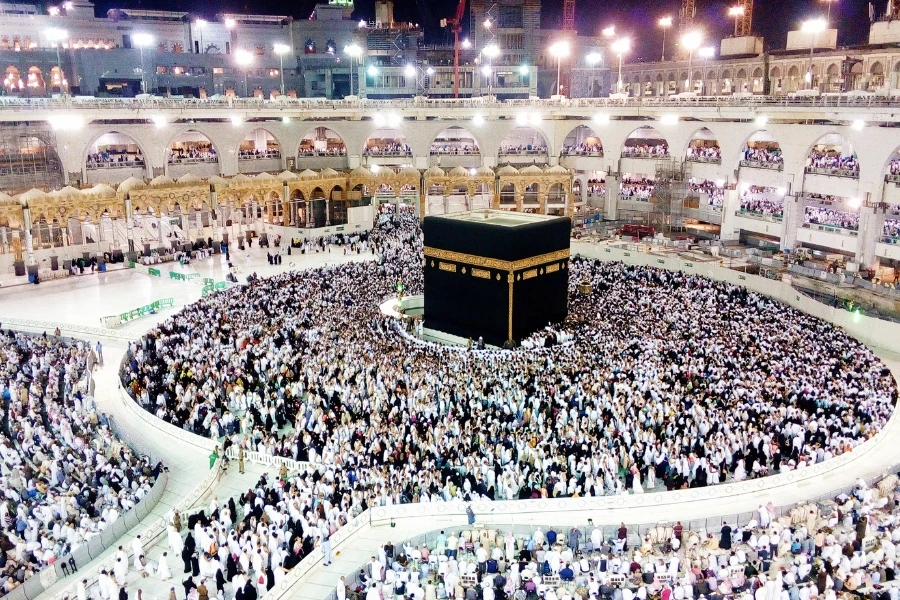
When planning the sacred journey of Hajj, selecting the right Hajj Packages becomes one of the most important decisions a pilgrim makes. Hajj Packages vary greatly in price, inclusions, comfort level, and level of support, ranging from basic economy shifting options around £4,500–£6,500 per person to premium non-shifting luxury packages exceeding £12,000–£18,000 for the 2026 season. The choice directly affects physical well-being, peace of mind, and ability to focus on worship during the intense days of Arafat, Mina, and Muzdalifah.
Budget preferences play a central role in this decision. Some pilgrims prioritize maximum savings to make Hajj Packages possible for the whole family, while others are willing to invest more for reduced physical strain, better rest, privacy, and personalized guidance—especially elderly members, families with young children, or those with health considerations. Understanding what each budget tier truly delivers helps avoid common regrets such as excessive fatigue, poor location, or unexpected extra costs.
Defining Your Budget Range Before Exploring Options
The first step in choosing suitable Hajj Packages is honestly defining your realistic budget ceiling, including not only the package price but also extras such as Qurbani (£80–£150), travel insurance (£100–£250), excess baggage fees, tips for guides and drivers, and personal spending money. Economy packages (£4,500–£7,000) usually mean shared rooms, basic 3-star hotels farther from the Haram (800 m–2 km), shared buses, and standard Mina tents. Mid-range (£7,500–£11,000) brings closer hotels (300–800 m), better tent upgrades, semi-private transfers, and half-board meals. Luxury (£12,000+) offers 5-star Haram-view suites, private AC tents, gourmet dining, and VIP services.
Write down your maximum spend per person and note non-negotiables (e.g., ground-floor room for elderly parent, child discounts, or private transfer for mobility issues). This clarity prevents emotional decisions based on beautiful brochure photos that exceed your actual budget.
Comparing Shifting vs Non-Shifting Hajj Packages by Budget
Shifting Hajj Packages are generally more affordable because pilgrims move to Mina/Arafat tents only during the main ritual days, freeing up expensive Makkah hotel bookings for the full duration. Savings can reach £1,500–£3,000 per person compared to non-shifting, making shifting attractive for fit, younger pilgrims or those on tighter budgets who can handle packing, short bus transfers, and tent conditions.
Non-shifting Hajj Packages keep you in one Makkah hotel throughout, offering stability, easier access to the Haram between rituals, and less physical disruption—ideal for elderly pilgrims, families with small children, or anyone prioritizing rest and routine. The higher cost reflects reserving premium hotel space during the high-demand Hajj period. Choose shifting if budget is the top priority and health allows; choose non-shifting if comfort and consistency matter more.
The Role of a Reputable Umrah Travel Agency in Budget Matching
A trustworthy Umrah Packages 2026 provider or umrah travel agency is essential for matching your budget preferences with realistic Hajj Packages. Authorized agencies explain exact differences between shifting/non-shifting, hotel distances, tent quality, meal standards, and hidden extras, helping you avoid packages that look cheap on paper but become expensive or uncomfortable in reality. They often access group discounts, early-bird offers, and customized options (senior rooms, child rates, dietary meals) not available directly on Nusuk.
Ask agencies for transparent breakdowns, recent pilgrim references, and comparisons of three to four packages within your budget range. Good agencies prevent costly mistakes like choosing distant hotels or inadequate transport that drain energy during Arafat.
Essential Inclusions to Prioritize According to Budget
In economy Hajj Packages, focus on core necessities: return flights, visa processing, 3-star hotel (even if farther), basic breakfast, shared buses, and ritual guidance. Mid-range packages add closer location, 4-star comfort, half-board meals, and semi-private transfers. Luxury includes 5-star Haram-view suites, private AC tents, gourmet dining, personal concierge, and priority access.
Never sacrifice health coverage (on-site clinics, insurance) or reliable ritual guidance for savings—errors in stoning or Arafat timing can affect validity. Match inclusions to your real needs: families need family rooms and child discounts; seniors need accessibility and rest.
Accommodation Choices by Budget Level
Budget Hajj Packages offer 3-star hotels 800 m–2 km from Haram with basic rooms and shared shuttles. Mid-range upgrades to 4-star properties 300–800 m away, elevators, better bedding, and more frequent shuttles. Luxury secures 5-star hotels like Swissôtel or Pullman Zamzam with Ka’bah views, suites, private elevators, and concierge.
Closer location dramatically reduces daily walking (especially valuable during long Arafat days), so if mobility is a concern, prioritize proximity even if it means staying in mid-range rather than the cheapest economy tier.
Transportation and Logistics Value by Budget
Economy Hajj Packages use shared coaches for airport–Makkah and Mina/Arafat transfers, saving money but adding wait times. Mid-range offers semi-private or small-group vehicles for faster movement. Luxury provides private luxury vans with priority boarding and luggage handling.
Good transport saves energy and reduces stress in crowds—worth upgrading if budget allows, especially for elderly or families.
Meals and Health Support Across Budget Tiers
Budget packages include basic halal breakfast buffets; mid-range adds half-board or full-board with more variety. Luxury offers gourmet halal meals with full customization (diabetic, vegetarian, soft foods). Health inclusions (vaccinations guidance, Mina/Arafat clinics, insurance) should never be cut for savings.
Nutrition and medical support maintain energy and safety during demanding days—prioritize these even in tighter budgets.
Comparing Umrah Packages UK and Hajj Packages Budgets
Umrah Packages UK are shorter and cheaper (£600–£2,500), focusing on flexible hotels and flights with less regulation. Hajj Packages cost far more (£4,500–£18,000+) due to quotas, Mashair stays, and intensive support. Use Umrah Packages UK to test shifting/non-shifting comfort before committing to Hajj Packages.
Lower Crowds for Deeper Focus and Reflection
October offers one of the calmest atmospheres in Makkah and Madinah, with significantly fewer pilgrims than peak months like Ramadan, December holidays, or post-Hajj periods. Masjid al-Haram and Masjid an-Nabawi feel open and serene—pilgrims can complete Tawaf without constant pushing, find quiet corners for extended dua, and move freely through Sa’i corridors. This reduced density creates space for personal reflection, heartfelt supplication, and uninterrupted Quran recitation, allowing the heart to connect more deeply with Allah in a tranquil setting.
Mild Weather Supporting Extended Worship
The transitional autumn climate in October—warm days (28–35°C) and pleasantly cool evenings—makes long hours of ibadah comfortable and sustainable. Pilgrims can walk between sites easily, spend extended time in the Haram or Nabawi, and enjoy night prayers under refreshing skies without battling extreme heat or cold. This balanced weather minimizes fatigue and dehydration risks, giving pilgrims more energy to engage in voluntary Tawaf, Tahajjud, and quiet contemplation rather than managing physical discomfort.
Enhanced Spiritual Depth and Lasting Renewal
October’s peaceful environment fosters genuine spiritual breakthroughs—unhurried Tawaf, prolonged moments at the Multazam or Rawdah, and reflective ziyarat to Quba or Uhud. With fewer distractions, pilgrims experience heightened mindfulness, emotional healing, and stronger connection with Allah, often leading to renewed iman, better daily worship habits, and a profound sense of inner peace. Many return describing October Umrah as a transformative month where their soul truly opened, making it the perfect choice for anyone seeking a calm, meaningful, and deeply renewing pilgrimage.
Avoiding Common Budget Mistakes
Don’t choose only the lowest price—cheap packages can mean distant hotels, poor tents, or no health support. Avoid unofficial agents promising “guaranteed” spots outside Nusuk. Always get written breakdowns and compare inclusions.
Budget for extras (Qurbani, tips, souvenirs) and build a 10–15% buffer. Early booking secures value across all tiers.
Final Tips for Choosing by Budget and Comfort
List your non-negotiables (location, health support, family rooms), set a firm budget, compare 3–4 packages from authorized providers, read recent reviews, and book early. Balance savings with comfort—mid-range often delivers the best overall value for most pilgrims.
The right Hajj Packages let you focus on devotion, not discomfort.