Imagine this, you plant yourself at your desk to begin a serious task, yet your workspace is kind of saying something else. Pens are strewn about, sticky notes are wedged under paperwork, and that marker you need right now somehow disappeared. Sounds familiar right?
A messy desk often turns into a messy mind. Whether you’re in an office, studying at home, or juggling a creative corner, organization really does influence productivity. And sometimes, even those tiny desk accessories can make the biggest difference ever. One such underrated helper is a desk pen holder.
At LINC, we’re convinced that great ideas start in organized spaces. A thoughtfully picked desk pen holder doesn’t just keep your pens in one place, it also adds some structure , a bit of style, and it helps your whole workflow feel smoother wherever you work. Still, with so many options available these days, how do you pick the right match for your desk routine? Let’s dig into the key factors that matter, before you choose the ideal companion for your desk.
Why a Desk Pen Holder Matters More Than You Think?
A lot of people see desk accessories as kind of optional, but organization tools really influence workflow and efficiency.
Think about a designer trying to find the right colored pens during a meeting presentation or a student spending five minutes hunting for a highlighter right before class. It might feel small, but those tiny interruptions add up.
A decent desk pen holder keeps essential writing tools within easy reach, and it helps make the whole place look cleaner, more professional.
Also it pairs with your broader desk organizer, for an office setup vibe, by helping maintain order and cutting down on distractions.
Understand Your Workspace Needs
Before purchasing any accessory, take a moment to observe your work habits a bit. Ask yourself:
• Do you use multiple pens and markers daily?
• Would you rather keep a basic desk setup or something more neatly arranged.
• Do you have a need for storage for stationery beyond just pens, say clips or labels ?
• Is your workspace compact, or is it pretty spacious.
For instance, a writer who mainly uses two pens may prefer a sleek cylindrical holder. Meanwhile, an office executive who handles markers, scissors, and sticky notes might benefit from a multifunctional organizer, not just a pen stand.
Choosing the right desk pen holder starts with understanding your routine, and how you usually reach for things.
Consider Storage Capacity
Not all pen holders really do the same job, kind of. Some of them are made just for basic pen storage, while others act like a full organization system, or at least they try to. If your desk often has, Pens, Pencils, Highlighters, Rulers, Scissors and Sticky notes, then choosing a bigger unit can be really practical.
A multifunctional desk pen holder, integrated into a desk organizer for an office setup, can help you pull everything together in one spot. Instead of buying multiple accessories here and there, one single organizer might keep your workspace simpler and tidier, even if it feels a bit like overkill.
Choose the Right Material
Material really affects durability, looks, and how much care it needs. In practice, people usually go with a few common choices, like—
- Plastic
It is light weight, not too expensive, and fairly easy to wipe down. Pretty good for students, or for that everyday office routine.
- Metal Mesh
This one feels professional, holds up well, and has a modern vibe.
- Wooden
It brings that premium, almost executive kind of feel, especially on the desk itself.
- Acrylic
Clean, minimal and stylish, with a contemporary look.
For instance, a creative studio desk might pair nicely with bright acrylic add-ons, but in a more corporate space, wooden or metallic styles can look better, more composed.
At LINC, we know office stationery items is not only useful—it also says something about personality and the whole work culture.
Match It with Your Workspace Style
Your workspace kind of messes with mood and how much you get done, honestly.
A desk setup that looks good, like really good, can nudge your focus and creativity in a better direction.
Before you grab a desk pen holder, think about the color palette and the whole design theme of your area. It helps more than people expect. For example:
• Minimal desk areas usually look great with monochrome designs
• More vibrant, creative corners often match colorful organizers
• A professional office vibe usually feels best with elegant neutrals
And yeah, the right accessory should fit in and complement your workspace, not try to steal the spotlight or overpower it.
Think About Desk Space
A big organizer may look handy, but if it takes up too much room, honestly it can turn into more clutter than convenience, and that feels kind of backwards. Before you buy anything, Measure the desk space you really have, not the imagined one.
If your desk is on the smaller side:
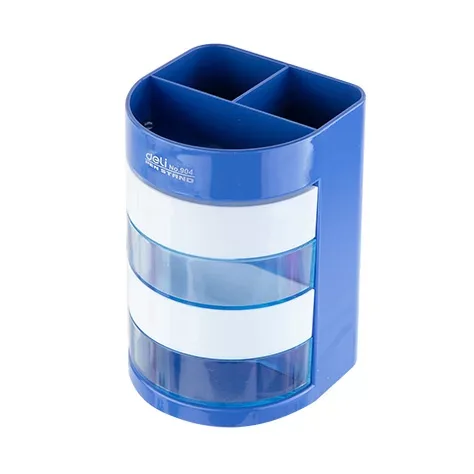
• Compact round holders usually work better
• Vertical storage helps a lot, it’s a simple upgrade
• Multi-tier organizers really maximize the use of the same area
For bigger workstations, broader organization pieces might offer better accessibility and smoother reach.
Picking the right desk pen holder size makes things work, keeps you comfortable, and doesn’t steal your workspace.
Look for Multi-Function Features
Modern workspaces want you to be versatile, all the time. Today’s accessories do more than just hold pens. A lot of the more advanced organizers include things like mobile phone stands, memo compartments, sticky note holders, charging docks, card slots and so on.
A multifunctional desk pen holder can end up being an essential productivity tool, not only a stationery accessory. Like, if someone has a schedule full of virtual meetings, they might really like a holder with a phone stand so the video calls are easier, and you do less fiddling around.
Durability Matters
Desk accessories end up in daily use, you know. If they’re made with low-quality materials, they can crack, lose their shape, or become kind of hard to maintain over time. So when you’re choosing a desk pen holder, it helps to focus on a few things, like: strong construction, a stable design, easy cleaning, and long-term durability. Putting a bit of thought in upfront usually means your workspace stays organized without constant swapping or replacements. At LINC, we believe practical office stationery should bring style and reliability, together in the same package.
Keep Accessibility in Mind
An organizer should boost efficiency— not mess it up, you know. Imagine you need a pen fast during a meeting, and you end up fumbling because it’s stuck in a tight, tightly packed holder thing. So it’s better to pick designs with open compartments and easy visibility, no extra drama. Transparent models or organizers with sections, usually help you spot what you need in a quick instant, instead of digging around in clutter. A good desk pen holder, like a well-designed one, should save time and lead to a smoother workflow, overall.
Small Accessories, Big Impact
A lot of people spend time upgrading laptops, chairs or desks but they sort of miss the whole impact of organization tools. Still, even a few small additions can end up making a very noticeable difference, in real life not just in theory.
When your desk is clean it can
• Improve focus
• Cut down stress
• Boost efficiency
• Give you a more professional look
• Help you move forward with productivity
So, choosing the proper desk organiser for office setup, along with useful add-ons, tends to turn everyday work into something smoother.
Conclusion
Picking the “perfect” desk pen holder is honestly more than just choosing some container for your pens. It’s about building a tidier little workspace that fits your routine, bumps up productivity, and kind of shows your personal style, at the same time.
At LINC, we know every workspace has its own story. If you lean toward minimal elegance, or you want multifunction storage, or even those more creative designs, the right office stationery will help everyday tasks feel smoother and more enjoyable.
And yeah, sometimes productivity doesn’t start with huge transformations; it starts with arranging the small details that are already sitting right in front of you.