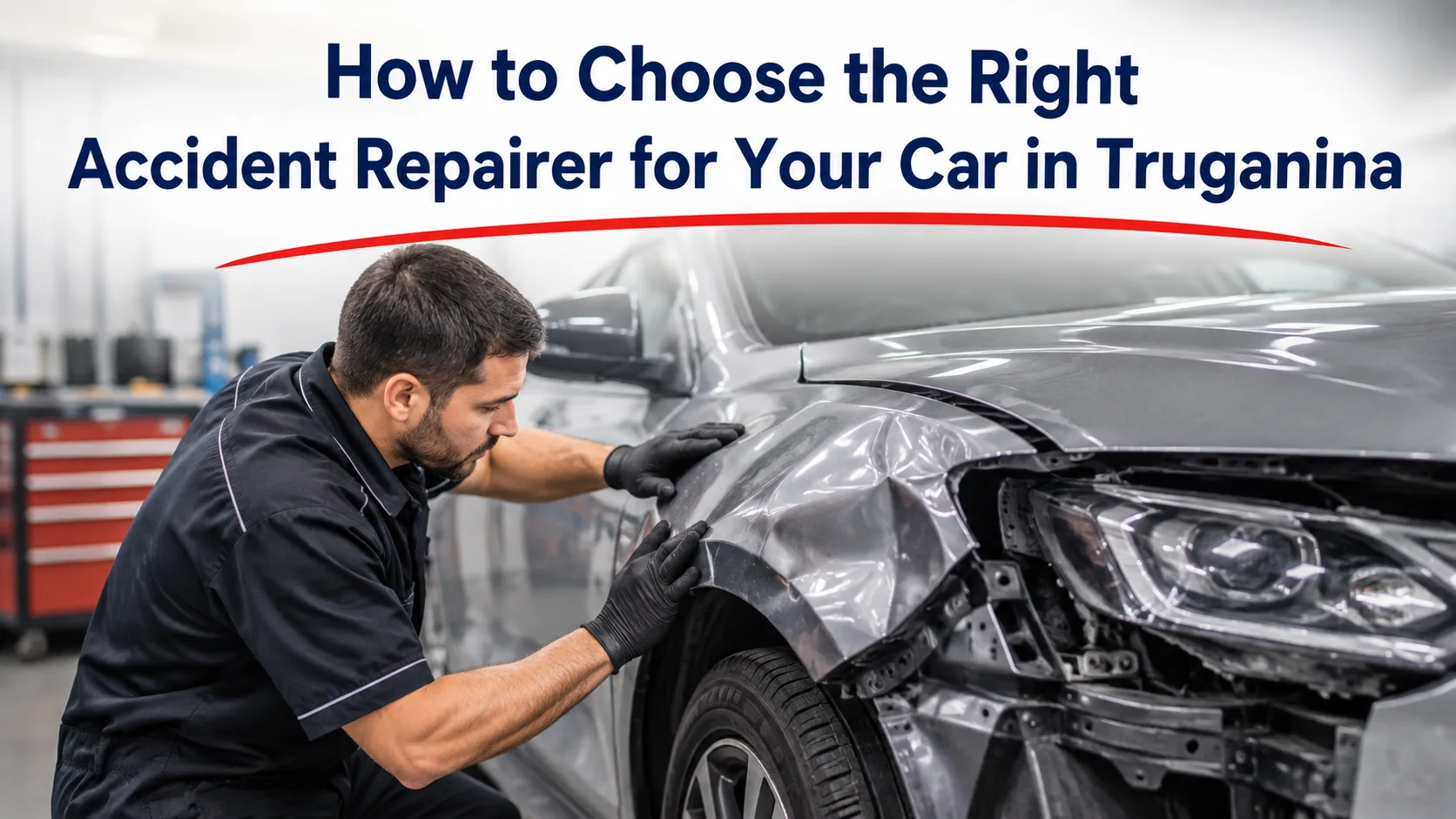
A car accident can be an unsettling experience, particularly when your vehicle needs significant repairs before it can return to the road. Even a seemingly minor collision can result in dents, scratches, damaged panels, broken lights or hidden mechanical problems. Once everyone is safe and the immediate situation has been handled, choosing the right repairer becomes an important next step.
For motorists in Truganina and Melbourne’s western suburbs, there are several factors worth considering before handing over a damaged vehicle. Looking beyond price and convenience can help you find a repairer that provides suitable workmanship, clear communication and a customer-focused experience.
Start With a Proper Vehicle Assessment
Before deciding how your vehicle should be repaired, it is important to understand the extent of the damage. Not every problem can be identified through a quick visual inspection.
A collision can affect areas behind the exterior panels, including mounting points, sensors, suspension components and other vehicle systems. A professional assessment can help identify visible and less obvious damage and determine what work may be required.
Ask the repairer to explain the assessment in straightforward language. You should have a reasonable understanding of which parts have been damaged, what can be repaired and whether any components need to be replaced.
Consider the Repairer's Experience
Experience matters when dealing with accident-damaged vehicles. Different makes and models can have different construction methods, materials, finishes and safety technologies.
A repairer with appropriate industry experience should understand how to approach common forms of collision damage, from minor dents and scratches to more extensive body repairs.
When researching smash repairs in Truganina, look at the types of repairs the business handles and whether its services are suitable for your particular vehicle. It can also be useful to ask about previous experience with similar damage.
Look for Clear Communication
Good communication can make an otherwise stressful repair process considerably easier. Before work begins, the repairer should be able to explain what is expected to happen and provide information about the likely timeframe.
Ask questions such as:
- What repairs are required?
- Will any parts need to be replaced?
- How long could the repair take?
- What could cause delays?
- How will updates be provided?
- Is there anything you need to do before the vehicle is collected?
A professional approach does not necessarily mean there will never be delays. Parts availability and unexpected damage can affect repair schedules. What matters is that customers are kept informed when circumstances change.
Check the Quality of Panel Work
Panel repair is an important part of restoring a vehicle after a collision. Dents, creases and damaged panels need to be addressed carefully so that the finished vehicle looks consistent.
Poorly completed panel work may leave visible imperfections, uneven surfaces or gaps between adjoining components. Quality workmanship should aim to restore the vehicle's original appearance as closely as practical.
When evaluating a repairer, ask how they approach panel damage and whether replacement or repair is more suitable for your vehicle.
Pay Attention to Paint Matching
Paintwork can have a major impact on the final appearance of a repaired vehicle. Even a small difference in colour can be noticeable when a repaired panel sits next to original paint.
A good repair process includes appropriate surface preparation and careful colour matching. Depending on the vehicle's finish, blending may also be required to create a consistent appearance across adjoining areas.
Ask the repairer how paint matching is handled and what steps are taken to achieve a professional finish.
Ask About Replacement Parts
Some accident damage cannot be repaired and may require replacement components. Before work starts, find out what parts may be needed and discuss the available options with the repairer.
This is particularly important for modern vehicles that may use specialised components, sensors, cameras or electronic systems.
Understanding what is being replaced can also help you avoid surprises later in the repair process. A reputable repairer should be willing to explain the proposed approach and answer reasonable questions about the work.
Understand Your Insurance Requirements
If you are making an insurance claim, contact your insurer and understand the requirements of your policy. Insurance procedures can vary, so it is important not to assume that every claim follows the same process.
Your insurer may provide information about assessments, repair arrangements, excess payments or other conditions. Confirm these details before authorising major work.
Keep photographs of the accident damage and retain relevant paperwork. Having organised records can make communication with both the insurer and repairer more straightforward.
Think About Location and Convenience
Truganina is a growing community in Melbourne's west, with residents regularly travelling through nearby suburbs such as Tarneit, Hoppers Crossing, Werribee, Laverton and Williams Landing.
A conveniently located repairer can make it easier to arrange vehicle drop-off, collection or other transport requirements. This can be particularly useful when your vehicle is not suitable for everyday driving.
However, location should not be the only consideration. A nearby workshop is useful, but quality workmanship, communication and appropriate repair practices should remain important factors in your decision.
Ask About the Expected Repair Time
There is no single timeframe for accident repairs. The duration depends on the severity of the damage, the number of panels involved, parts availability and the type of work required.
Minor cosmetic repairs may take less time than extensive collision work involving several components.
Before leaving your vehicle, ask for a realistic estimate rather than an unrealistic promise. If additional damage is discovered during the repair, the timeframe may change. Good communication can help you understand why the schedule has been adjusted.
Inspect the Vehicle Before Finalising the Repair
When the repair is complete, inspect the vehicle carefully. Check the repaired panels, paint finish, lights, doors, mirrors and other affected areas.
Look at the vehicle in good lighting and compare the repaired sections with the surrounding bodywork. If you notice anything that concerns you, discuss it with the repairer before considering the job finished.
Ask for any relevant invoices, warranty information or documentation relating to the completed repairs and keep these records for future reference.
Choose Quality Over the Cheapest Quote
Price is naturally an important consideration, but the cheapest repair option is not always the best choice. A low quote may not provide the same level of workmanship, materials, communication or attention to detail as another option.
Instead of comparing prices alone, consider the overall value offered by the repairer. Look at experience, customer service, repair methods, expected timelines and the clarity of the quotation.
A properly repaired vehicle can provide greater confidence than simply choosing the lowest initial cost.
Making the Repair Process Easier
Accident damage is never convenient, but selecting a suitable repairer can make the recovery process more manageable. Start with a proper assessment, ask questions, understand your insurance requirements and pay attention to the quality of workmanship.
For drivers in Truganina, choosing a repairer that understands local customers and provides clear, professional service can help take some of the uncertainty out of the process. With careful research and good communication, you can make a more informed decision and work towards getting your vehicle safely back on the road.