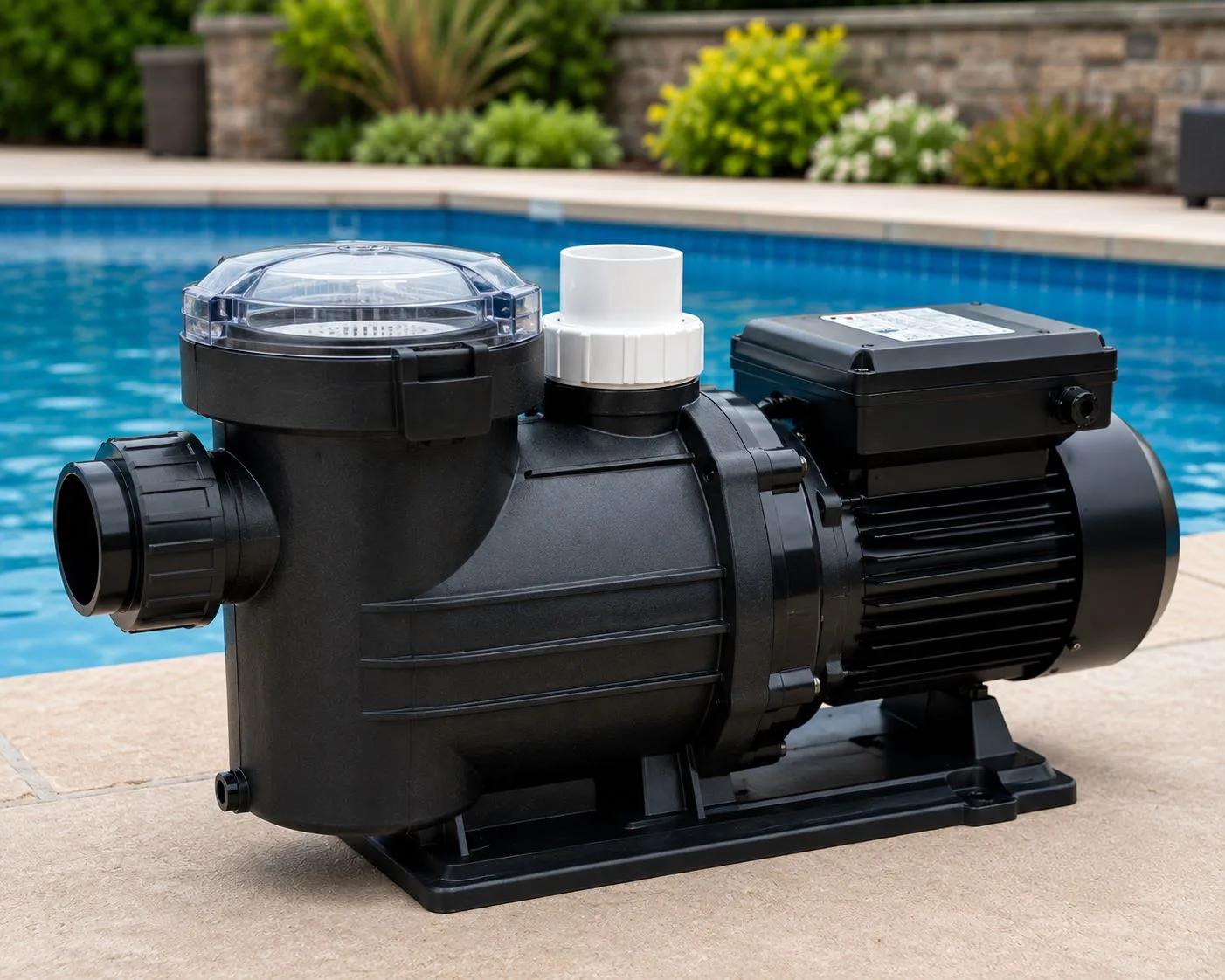
Choosing the right in ground pool pump is essential for maintaining clean, clear, and healthy swimming pool water. A properly sized pump helps circulate water efficiently, supports your filtration system, and can reduce energy consumption. However, with different pump sizes, speeds, and features available, finding the right option for your pool can be challenging.
In this guide, we'll explain the key factors Canadian pool owners should consider when selecting an in ground pool pump.
1. Consider Your Pool Size
Your pool's size is one of the most important factors when choosing a pump. Larger pools generally require more water circulation than smaller pools, but pool volume alone does not determine the ideal pump.
You should also consider your plumbing layout, filter capacity, pipe diameter, and the amount of water your system needs to circulate.
Before purchasing a pump, calculate your pool's water volume and consult the manufacturer's sizing recommendations or a pool professional to determine the appropriate flow rate.
2. Choose the Right Pump Speed
In ground pool pumps are available in several speed configurations. Understanding their differences can help you choose a pump that suits your budget and maintenance needs.
Single-Speed Pool Pumps: These pumps operate at one fixed speed. They are straightforward to use, but running at full speed for every task can consume more electricity than necessary.
Two-Speed Pool Pumps: These offer high- and low-speed settings, providing more flexibility for everyday circulation and higher-flow tasks.
Variable-Speed Pool Pumps: These allow you to adjust the motor speed to match your pool's circulation requirements. Running at lower speeds for longer periods can improve energy efficiency, depending on your system and operating schedule.
For many pool owners, a variable-speed pump is worth considering because of its potential to reduce electricity consumption.
3. Check the Required Flow Rate and Horsepower
Horsepower is often used to compare pool pumps, but choosing a pump based on horsepower alone can lead to poor performance or unnecessary energy use.
Instead, consider the required flow rate and the resistance created by your pool's plumbing, filter, heater, and other equipment. This resistance is commonly called total dynamic head.
A pump must deliver sufficient flow for your pool's filtration system and any connected equipment without exceeding their recommended operating limits.
Tip: A larger pump is not automatically better. An oversized pump may consume more electricity, create excessive pressure, and operate inefficiently.
4. Look for Energy Efficiency
Pool pumps can contribute significantly to a swimming pool's electricity costs. Choosing an energy-efficient model can help reduce long-term operating expenses.
When comparing pumps, consider:
- Variable-speed motor technology.
- Adjustable operating schedules.
- Energy consumption at different speeds.
- Compatibility with your existing filtration system.
Manufacturer efficiency information and warranty coverage.
A pump that costs more initially may provide better long-term value if it uses less electricity for your pool's circulation needs.
5. Make Sure the Pump Is Compatible With Your Pool Equipment
Your new pump must work properly with your existing pool system. Before purchasing, check compatibility with your:
- Pool filter and its maximum recommended flow rate.
- Plumbing size and configuration.
- Pool heater or heat pump.
- Saltwater chlorination system, if installed.
- Automation controls and electrical supply.
Compatibility is particularly important when replacing an older pump. Confirm the required connections, voltage, and installation specifications before making your purchase.
6. Consider Noise Levels and Durability
A noisy pool pump can disturb outdoor relaxation, especially when the equipment is installed near a patio or living area.
Look for models designed for quiet operation, and make sure the pump is installed on a stable, level surface according to the manufacturer's instructions.
Durability is also important for Canadian pool owners. Choose a pump with quality construction, suitable weather protection for its installation location, and readily available replacement parts.
Always follow the manufacturer's recommendations for seasonal care and winterization.
7. Compare the Total Cost of Ownership
When selecting an in ground pool pump, look beyond the initial purchase price. Consider the total cost of operating and maintaining the equipment over time.
Important expenses include:
- Purchase price.
- Installation costs.
- Electricity consumption.
- Routine maintenance.
- Replacement parts and potential repairs.
Comparing these costs can help you identify a pump that fits your budget while providing reliable performance.
8. Choose a Trusted Pool Pump Brand
Established manufacturers such as Hayward and Pentair offer pool pumps in different configurations and performance ranges. Compare the specifications of individual models rather than choosing based on brand name alone.
Review the manufacturer's sizing guidance, warranty terms, service availability, and compatibility requirements before deciding.
You can also explore available options in the In Ground Pool Pumps collection at Pool Products Canada.
Final Thoughts
Choosing the right in ground pool pump involves more than selecting a model with the highest horsepower. Pool size, required flow rate, plumbing resistance, pump speed, energy efficiency, and compatibility with your existing equipment all play important roles.
For many Canadian pool owners, a properly sized variable-speed pump can offer an excellent balance of circulation performance and energy savings. Before purchasing, compare specifications and make sure the pump meets your pool's requirements.
With the right pump, you can support effective filtration, maintain clear pool water, and enjoy a more efficient swimming season.