
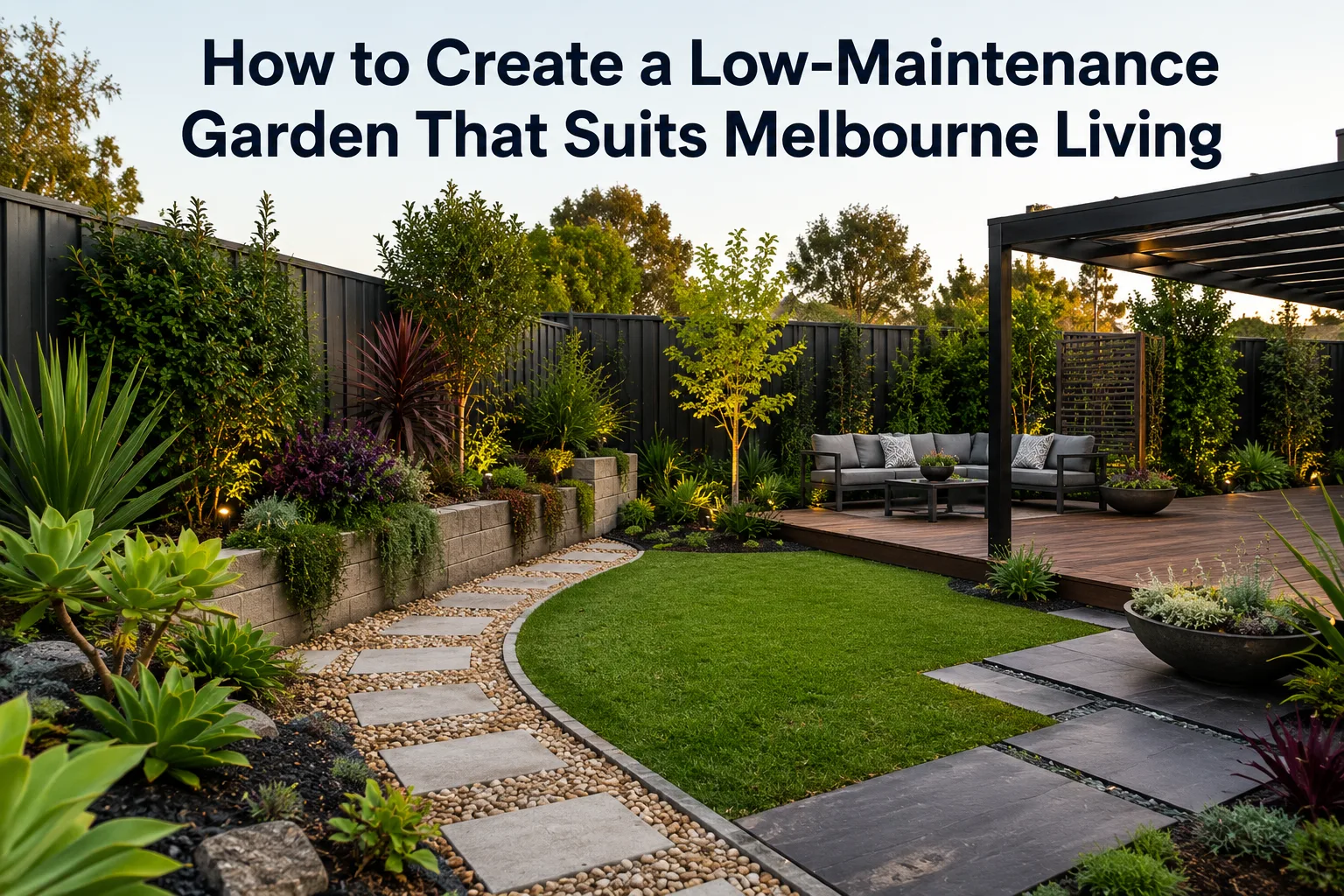
A well-designed garden can make a home more inviting, comfortable and enjoyable throughout the year. However, creating an attractive outdoor space is not simply about choosing a few plants and placing them around the yard. Melbourne's changing weather, soil conditions, available space and individual lifestyle all need to be considered when planning a practical landscape.
For homeowners across Melbourne and surrounding suburbs, a thoughtful approach to garden design can create an outdoor area that looks good while remaining manageable over time. Whether you have a compact courtyard, a family backyard or a larger residential property, the right planning can make a significant difference.
Start With the Purpose of Your Outdoor Space
Before choosing plants, paving or garden features, consider how you want to use the space.
Some households may want an area for entertaining family and friends, while others may prefer a quiet garden for relaxing. Families with children may need open lawn areas, whereas homeowners with busy schedules might prefer a landscape that requires less ongoing maintenance.
Think about how the garden will be used during different seasons. An outdoor dining area, shaded seating space, play area or simple planting zone can all serve different purposes.
Defining the purpose of the garden first makes it easier to develop a practical layout.
Consider Melbourne's Climate
Melbourne is known for changeable weather, with hot summer days, cooler winters and periods of rainfall throughout the year. Garden planning should take these conditions into account.
Plant selection is particularly important. Plants that are well suited to the local environment can be easier to maintain when compared with varieties that require conditions your garden cannot naturally provide.
Sun exposure should also be considered. Some parts of a property may receive strong afternoon sunlight, while areas beside buildings or fences can remain shaded for much of the day.
Observing your garden throughout the day can help you understand which plants and features are likely to perform well in each location.
Choose Plants With Maintenance in Mind
A low-maintenance garden does not have to be plain. There are many ways to create visual interest without filling the property with plants that require constant attention.
When selecting plants, consider their expected size, watering requirements, growth rate and seasonal characteristics. A mixture of foliage, flowering plants, ground covers and carefully positioned feature plants can provide variety while keeping the overall design manageable.
Avoid overcrowding the garden during the initial planting stage. Plants that appear small at first may expand considerably as they mature, so allow sufficient space for healthy growth.
Make the Most of Small Outdoor Areas
Not every Melbourne property has a large backyard. Townhouses, units and compact suburban blocks can still benefit from thoughtful landscaping.
Vertical planting, raised garden beds, pots and strategically positioned greenery can help introduce natural elements without taking up too much floor space.
A small courtyard can also feel larger when different areas are given clear purposes. For example, a simple seating zone combined with a narrow planting bed can create a functional outdoor retreat without overwhelming the available space.
Choosing appropriately scaled furniture and garden features can further improve the sense of space.
Think Carefully About Garden Paths
Paths can provide both practical and visual benefits. They guide people through the garden, connect different outdoor areas and help protect planting zones from regular foot traffic.
The material selected for a path should suit the style of the property and its expected use. Pavers, concrete, gravel and other surfaces can all create different appearances and maintenance requirements.
Consider drainage when planning paths and hard surfaces. Water should be able to move away appropriately rather than collecting against buildings or creating persistently wet areas.
Include Practical Outdoor Features
Landscaping can incorporate more than plants and lawn. Features such as retaining walls, seating areas, edging, garden beds and paved zones can help organise an outdoor space.
For properties with changes in ground level, retaining structures may also provide practical benefits by helping manage different sections of the landscape.
Outdoor features should be selected according to the property's layout and the needs of the household. A garden should look attractive, but it should also be comfortable and functional.
Plan for Water Efficiency
Water management is an important consideration for gardens in Melbourne. Choosing plants suited to the local environment can help reduce unnecessary watering.
Mulching garden beds can also be useful for helping retain moisture and reducing the amount of exposed soil. Appropriate irrigation systems may provide more controlled watering than relying entirely on manual hoses.
Before installing irrigation, consider the layout of the garden and the requirements of different planting areas. Not every plant needs the same amount of water.
Think About Drainage
Good drainage is an essential part of a healthy outdoor space. Poor drainage can result in water pooling, muddy areas, plant stress and potential problems around structures.
When planning a garden, consider how rainwater moves across the property. Slopes, paving, garden beds and soil conditions can all influence water movement.
If you regularly experience standing water after rain, it may be worth seeking professional advice before making major changes to the garden.
Use Hardscaping to Reduce Maintenance
Lawns can be enjoyable, but they require regular mowing and ongoing care. If your priority is reducing maintenance, consider balancing lawn with hard surfaces and garden beds.
Paved entertaining areas, paths and other appropriately designed surfaces can reduce the amount of lawn that needs regular attention while creating useful outdoor zones.
This does not mean removing greenery altogether. Combining selected planting areas with practical hardscaping can create a balanced landscape that remains visually appealing without becoming difficult to manage.
Consider Professional Landscape Planning
Planning a garden can become complicated when several elements need to work together. Plant selection, drainage, soil, paving, retaining structures and outdoor living areas all need to complement one another.
Professional landscaping services in Melbourne can help homeowners develop outdoor spaces around the property's layout, lifestyle requirements and preferred level of maintenance.
Professional input can be particularly useful when dealing with larger yards, sloping blocks, drainage concerns or major landscape renovations. A well-planned design can also help prevent costly changes later.
Maintain the Garden Regularly
Even a low-maintenance landscape requires some care. Regular pruning, weeding, watering and removal of damaged plant material can keep the garden looking healthy.
Seasonal maintenance is also useful. Different plants have different pruning and care requirements, so avoid treating every part of the garden in exactly the same way.
Checking irrigation systems, garden edging, paving and other outdoor features periodically can also help identify minor issues before they become larger problems.
Create a Garden That Works for You
The best garden is not necessarily the most elaborate one. A successful outdoor space should suit the property, the local climate and the people who use it.
For Melbourne homeowners, thoughtful planning can help create a garden that remains attractive while fitting comfortably into everyday life. By considering sunlight, plant selection, water use, drainage, available space and maintenance requirements from the beginning, you can create an outdoor environment that is both practical and enjoyable.
Whether you are refreshing an existing garden or planning a complete outdoor transformation, taking the time to establish clear priorities can help you achieve a landscape that works well for years to come.