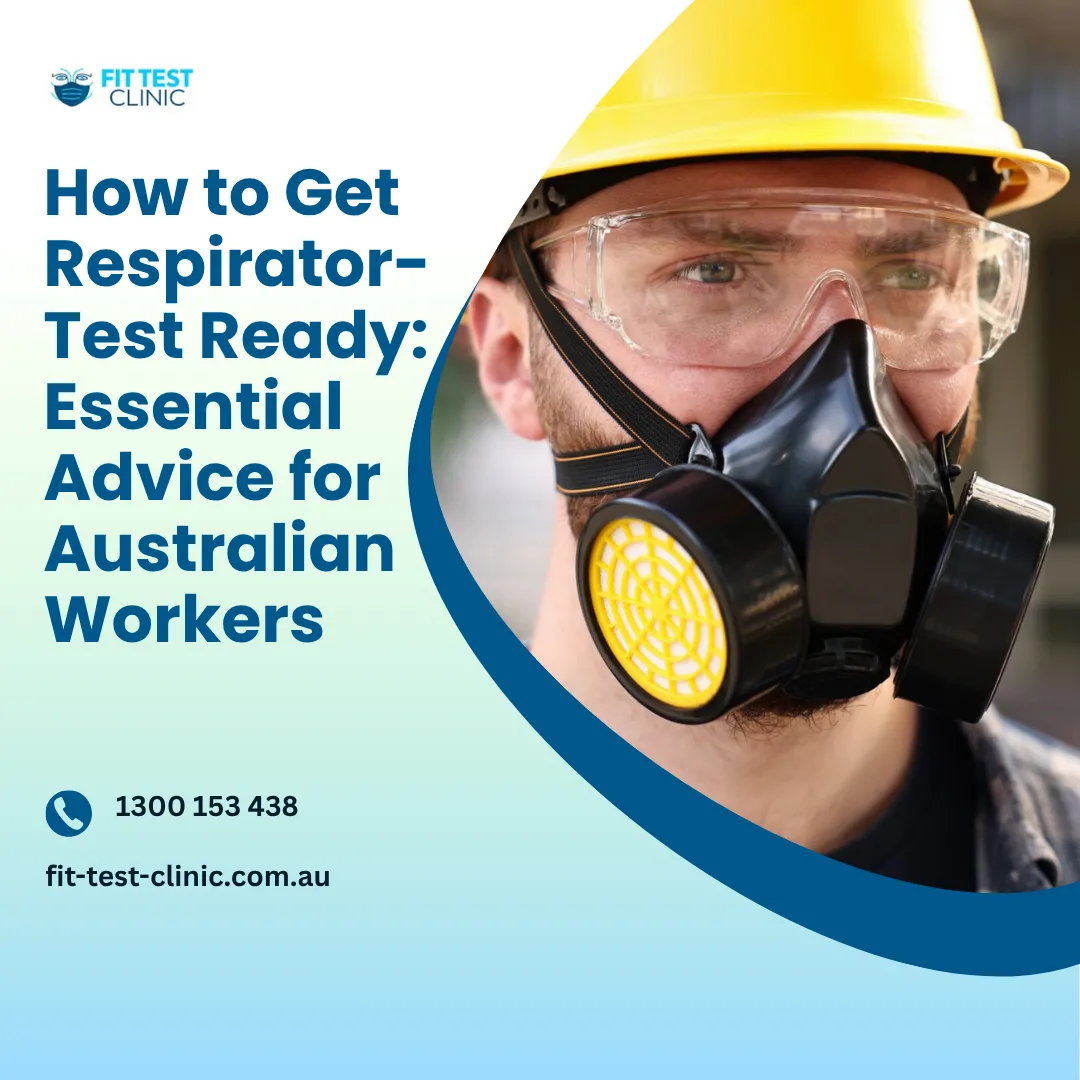
A respirator test is an important part of respiratory protection for Australian workers who need to wear tight-fitting respiratory protective equipment (RPE). A proper fit helps ensure that the respirator forms an effective seal around the face and provides the intended protection against airborne contaminants. Safe Work Australia guidance recommends that workers pass a fit test before first using a tight-fitting respirator.
Prepare Before Your Respirator Test
Good preparation can make the respirator fitting process smoother and help identify the most suitable respirator for the individual worker. Before attending your appointment, check which respirator you are expected to wear and bring the correct model, size and configuration where required.
Workers should also arrive with a clean face. Facial hair in the area where the respirator seals against the skin can interfere with the seal and affect the result. Fit Test Clinic also advises avoiding smoking, vaping, eating and drinking anything other than water for 30 minutes before testing.
Essential Respirator-Test Preparation
- Bring the respirator you normally use: Testing the actual model and size used at work helps ensure the result is relevant to your workplace requirements.
- Arrive clean-shaven: Facial hair beneath the sealing surface can interfere with the respirator seal.
- Understand the fitting process: Be prepared to follow instructions for correctly positioning, adjusting and wearing the respirator.
- Check your equipment: Inspect straps, valves, filters and other components before the appointment.
- Avoid eating, smoking or vaping beforehand: Follow the testing provider's preparation instructions.
- Tell the tester about discomfort: If the respirator feels too tight, loose or uncomfortable, explain this during the fitting process.
- Complete the required exercises: A respirator fit test may involve movements such as talking, bending and moving the head to assess the seal during normal activity.
- Follow workplace requirements: Your employer should ensure the respirator selected is appropriate for the hazards and work environment.
Why Respirator Fitting Matters
A respirator can look correctly positioned but still leak if it does not properly match the wearer's face. Respirator fitting therefore goes beyond simply putting on a mask. The aim is to establish whether the respirator provides an effective seal for the individual wearer.
Australian guidance recognises both qualitative and quantitative fit-testing methods. Quantitative testing uses specialised equipment to measure leakage and can provide an objective fit factor, while qualitative testing uses the wearer's ability to detect a test agent for applicable respirators.
What Happens If You Do Not Pass?
Failing a respirator fit test does not necessarily mean you cannot use respiratory protection. It may indicate that another size, model or style is required. A competent tester can help identify potential causes of failure and work towards finding a suitable alternative.
Workers should not simply continue using a respirator that has failed a fit test. The correct approach is to reassess the fit and select suitable equipment before entering an environment where respiratory protection is required.
Stay Ready for Future Testing
Respirator fit should not be treated as a one-off consideration. Changes to the respirator, facial features or other circumstances can affect the seal. Workplaces should maintain appropriate respiratory protection programmes and ensure workers understand how to correctly put on, adjust, inspect and maintain their equipment.
Get Respirator Fit Testing with Fit Test Clinic
Preparing properly for a respirator test can help Australian workers approach testing with greater confidence and ensure their respiratory protective equipment is suitable for their individual fit. Fit Test Clinic provides professional respirator and mask fit testing, including quantitative testing, individual appointments and group testing options. The clinic services Melbourne and Sydney and can also provide mobile group testing at workplaces.