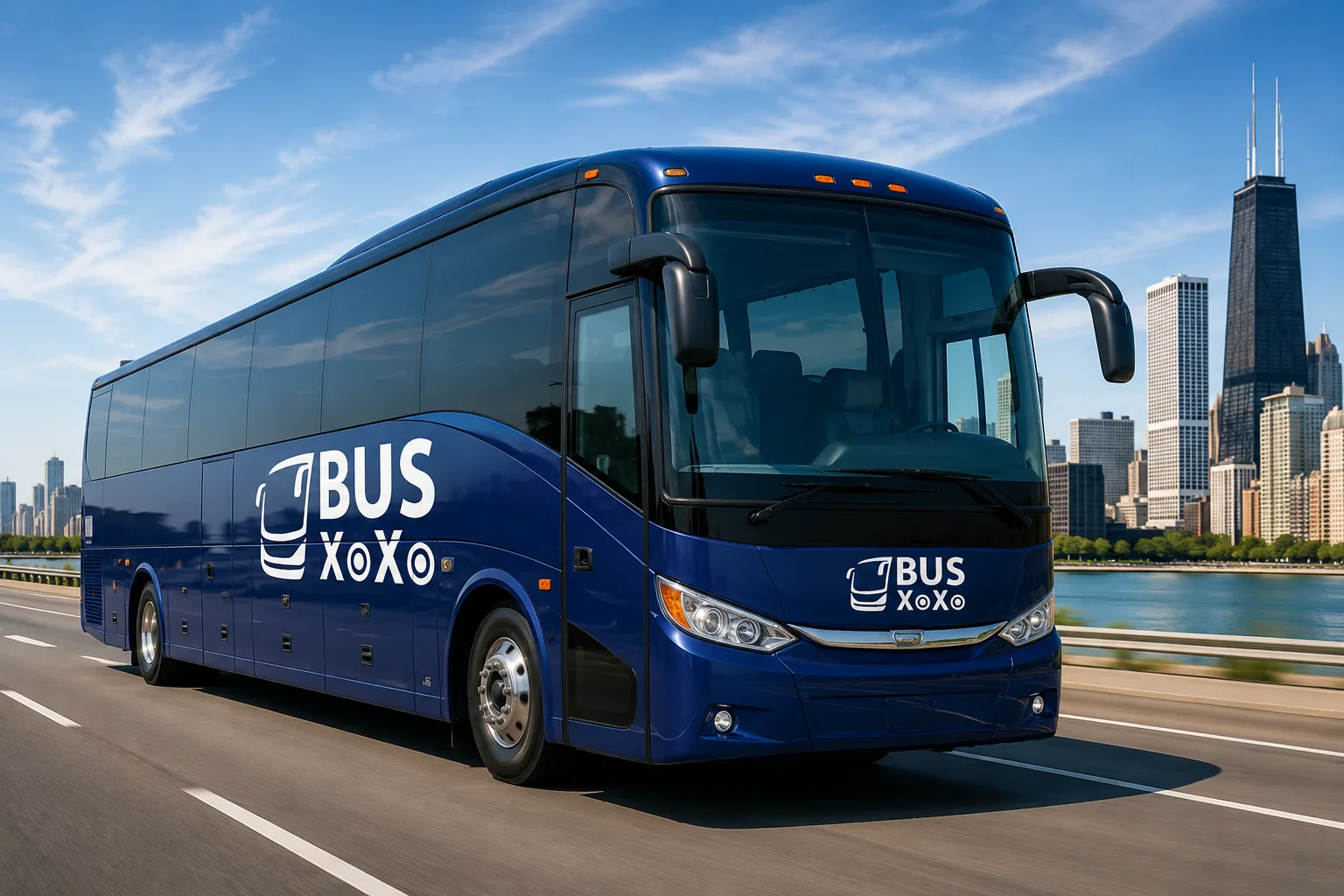
Planning a group road trip across Texas can be exciting, but organizing transportation, destinations, schedules, and stops requires careful preparation. With major cities and attractions spread across the state, choosing the right transportation can make the trip much easier. For larger groups, a Texas charter bus rental can provide a convenient way to keep everyone together while traveling between cities, attractions, and events.
Choose Your Texas Road Trip Route
The first step in planning a group road trip is deciding where you want to go. Texas is one of the largest states in the country, so trying to cover too many destinations in a short period can make the trip exhausting.
Consider creating a route based on the interests of your group. For example, a cultural trip could include San Antonio and Austin, while a city-focused itinerary might connect Dallas, Fort Worth, Houston, and Austin.
Before finalizing your route, estimate the driving time between destinations. Leave enough room in the schedule for meals, sightseeing, rest stops, and unexpected traffic.
Determine How Many People Are Traveling
Your group size will influence nearly every transportation decision. A trip with 10 people may be manageable with a few vehicles, but larger groups can quickly become difficult to coordinate.
When multiple cars are involved, everyone needs to follow the same route and arrive at each destination at approximately the same time. Parking several vehicles can also be challenging at busy attractions and event venues.
For larger groups, traveling in one chartered vehicle can simplify the logistics. Everyone has the same pickup and drop-off locations, making it easier for the trip organizer to maintain the schedule.
Select Transportation Based on Your Group
Different group sizes and trip types may require different vehicles. Smaller groups may prefer a minibus or passenger van, while larger groups may benefit from a full-size charter bus.
When comparing transportation options, look beyond the number of seats. Consider luggage space, onboard amenities, accessibility requirements, trip duration, and the number of stops on your itinerary.
For longer Texas road trips, comfortable seating and climate control can be especially valuable. Some charter buses may also offer amenities such as Wi-Fi, power outlets, reclining seats, overhead storage, and restrooms, depending on the vehicle.
Build an Itinerary With Reasonable Stops
A good road-trip itinerary should balance travel time with opportunities to explore. Instead of scheduling attractions back-to-back, give your group enough time to enjoy each location.
For example, groups visiting San Antonio may want time to explore the River Walk and surrounding attractions. In Austin, travelers can combine sightseeing with local restaurants, entertainment, and outdoor activities. Dallas and Houston also offer numerous museums, sports venues, shopping areas, and cultural attractions.
Adding planned meal and rest stops is equally important, particularly when traveling with children, older adults, or large groups.
Plan for Texas Traffic and Weather
Texas travel conditions can vary significantly depending on the season and region. Major metropolitan areas can experience heavy traffic, while rural highways may involve long stretches between services.
Weather should also be considered when planning a road trip. Summer temperatures can be extremely high, while thunderstorms and other changing conditions can affect travel times.
Avoid creating an itinerary that depends on arriving at every destination at an exact minute. Building some flexibility into the schedule gives your group more room to handle delays without disrupting the entire trip.
Keep the Group Organized
Group communication is one of the most important parts of a successful road trip. Before departure, provide travelers with the itinerary, pickup locations, estimated departure times, emergency contact information, and important trip rules.
If the group is traveling in separate vehicles, establish a communication system and designated meeting points. However, keeping everyone in one vehicle can make this process much simpler.
A centralized transportation plan means the group does not have to repeatedly check whether every driver has arrived or whether someone has taken the wrong route.
Consider Parking Before Visiting Attractions
Parking is easy to overlook when planning a Texas road trip. Popular downtown areas, stadiums, convention centers, festivals, and tourist attractions can have limited parking, especially during major events.
Research parking arrangements before adding an attraction to your itinerary. A transportation provider may be able to coordinate suitable pickup and drop-off points that reduce the need for everyone in the group to search for individual parking spaces.
Make Your Texas Road Trip More Enjoyable
The best group road trips are organized without being overly rigid. Plan your major destinations and transportation in advance, but leave some flexibility for unexpected discoveries, longer meals, photo stops, or changes in weather.
Most importantly, choose transportation that matches your group size and itinerary. When everyone can travel together, organizers can spend less time coordinating separate vehicles and more time enjoying the trip.
Whether you're planning a weekend getaway, family reunion, corporate retreat, school excursion, sporting event, or multi-city vacation, thoughtful transportation planning can make traveling across Texas considerably easier. A well-planned charter bus trip allows your group to focus on the experience rather than the logistics of getting everyone from one destination to the next.