A destination wedding can be more than a ceremony followed by a reception. It can give family and friends time to reconnect, share meals and enjoy several meaningful moments together. Jaipur makes an appealing setting for this kind of celebration, with its cultural character, historic atmosphere and range of wedding experiences.
Planning a multi-day event also brings practical questions. How will guests move between functions? Where will they stay? Can the schedule accommodate both the main celebration and quieter time with family? Choosing one resort for the wedding and guest stay can help couples bring these details into a more connected plan.
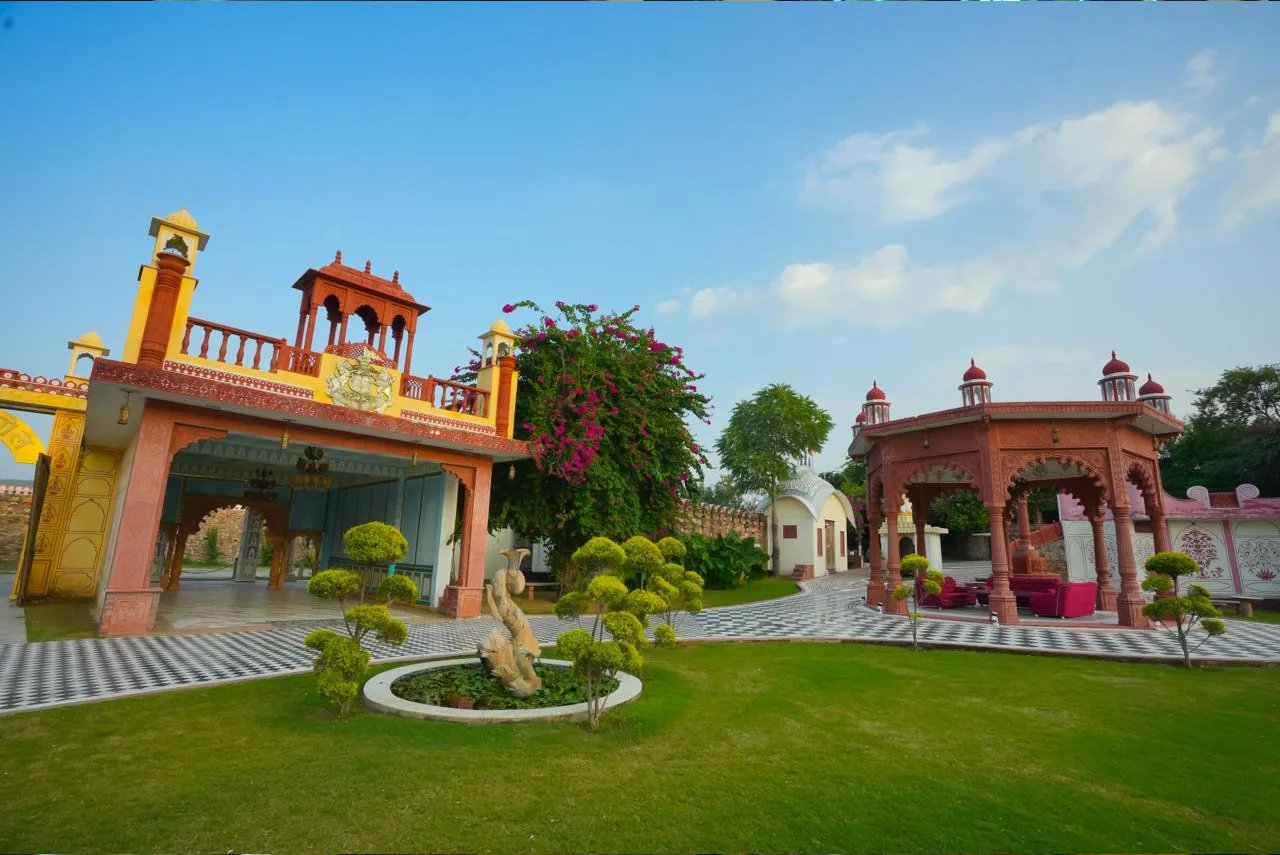
For couples comparing a 5-Star destination wedding resort in Jaipur, Lohagarh Fort Resort offers a setting to explore for wedding celebrations and stays. The best plan begins with the couple’s priorities, guest list and preferred pace, then builds a schedule around them.
Begin with the feeling you want guests to remember
Before choosing décor or writing a function schedule, decide how you want the wedding to feel. Some couples imagine a lively series of celebrations; others want an intimate gathering with time for conversation. A clear intention helps guide decisions about the number of functions, their timing and the guest experience.
Make a short list of what matters most. It could be a relaxed welcome, a ceremony with family traditions, a dinner where guests can talk easily, or a final morning that leaves room for farewells. This list becomes a practical guide when choices compete for attention.
It also helps to distinguish between “must have” moments and optional additions. A wedding weekend can feel full without packing every hour. Leaving some breathing room can help guests enjoy the celebrations instead of constantly checking the next event on their itinerary.
Choose a venue that supports the full celebration
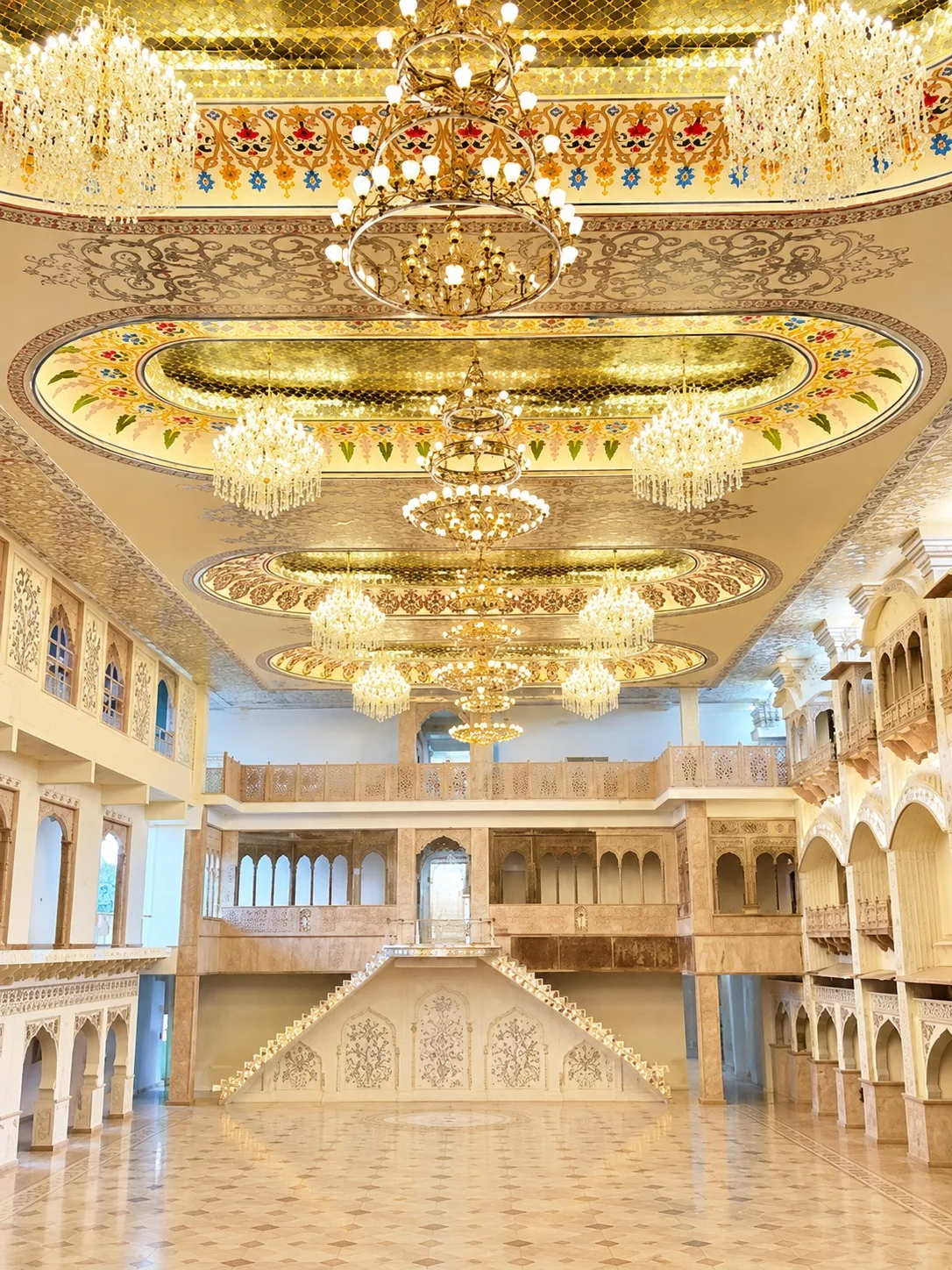
When assessing 5-Star destination wedding venues in Jaipur, look beyond the appearance of the main ceremony space. Ask how the venue can support the different parts of your celebration: guest arrival, pre-wedding functions, the main ceremony, meals, photography and departures.
A resort setting may make it easier to coordinate wedding functions with accommodation, subject to the property’s arrangements and availability. Keeping the celebration and stay connected can reduce the number of separate locations guests need to navigate. It can also make it simpler for relatives to meet between functions and for the couple to spend time with more of the people who travelled to attend.
During an initial conversation, share your estimated guest count, wedding dates and the broad shape of your celebration. Ask which spaces could suit each function, what is included, what depends on availability and which arrangements need outside vendors. Clear answers at this stage make it easier to compare venues fairly.
Build a schedule around guests, not just events
A schedule should give guests enough information to feel prepared without turning the weekend into a timetable they must race through. Consider arrival windows, check-in, meal times, travel time between locations and the needs of children or older relatives. If some guests are unfamiliar with Jaipur, clear directions and a simple itinerary can help them settle in.
One possible rhythm is to welcome guests with an easy first gathering, hold the main ceremony and celebration on the following day, and allow time for relaxed goodbyes. The exact schedule depends on your family traditions, travel plans and venue arrangements. The aim is to avoid placing every important moment too close together.
Share updates in one place. A wedding website, digital invitation or guest message can include event timings, dress guidance, directions and a contact for questions. For a destination wedding, these practical details can feel just as thoughtful as the décor.
Make the welcome personal
A welcome function gives guests a chance to arrive, meet one another and understand the weekend ahead. It does not have to be elaborate. A warm greeting, a clear introduction to the schedule and a comfortable setting can help guests feel included.
Think about who may be meeting for the first time. A seating plan, introductions by family members or a short welcome from the couple can help break the ice. If the guest list includes relatives from different cities or generations, make space for conversations that are not tied to formal rituals.
The couple can also provide a few useful notes: local weather expectations for the chosen month, footwear suggestions for the planned events, and any information guests need about transport or check-in. Keep advice specific and helpful rather than adding a long list of rules.
Coordinate décor, food and function flow
A consistent visual idea can tie a wedding weekend together, but each function can still have its own mood. Discuss how décor will fit the chosen spaces and the practical needs of the event. The ceremony may need a clear focal point, while a meal may need comfortable seating and room for guests to move around.
Food planning should consider the length and timing of each function, guest preferences and any dietary requirements you can identify in advance. Ask the venue what menu options and service formats are available, and confirm how changes or special requests are handled. Share the confirmed information with the relevant family members so decisions do not get lost in separate conversations.
Keep a written list of responsibilities: who confirms the guest count, who coordinates vendors, who handles the schedule and who is the point of contact during the event. A couple should not have to solve every operational question while getting ready for a function.
Leave room for unscheduled moments
Some of the most memorable parts of a wedding happen between formal events: cousins catching up, grandparents meeting the couple’s friends, or guests sharing a meal after the ceremony. A well-paced weekend leaves room for these small connections.
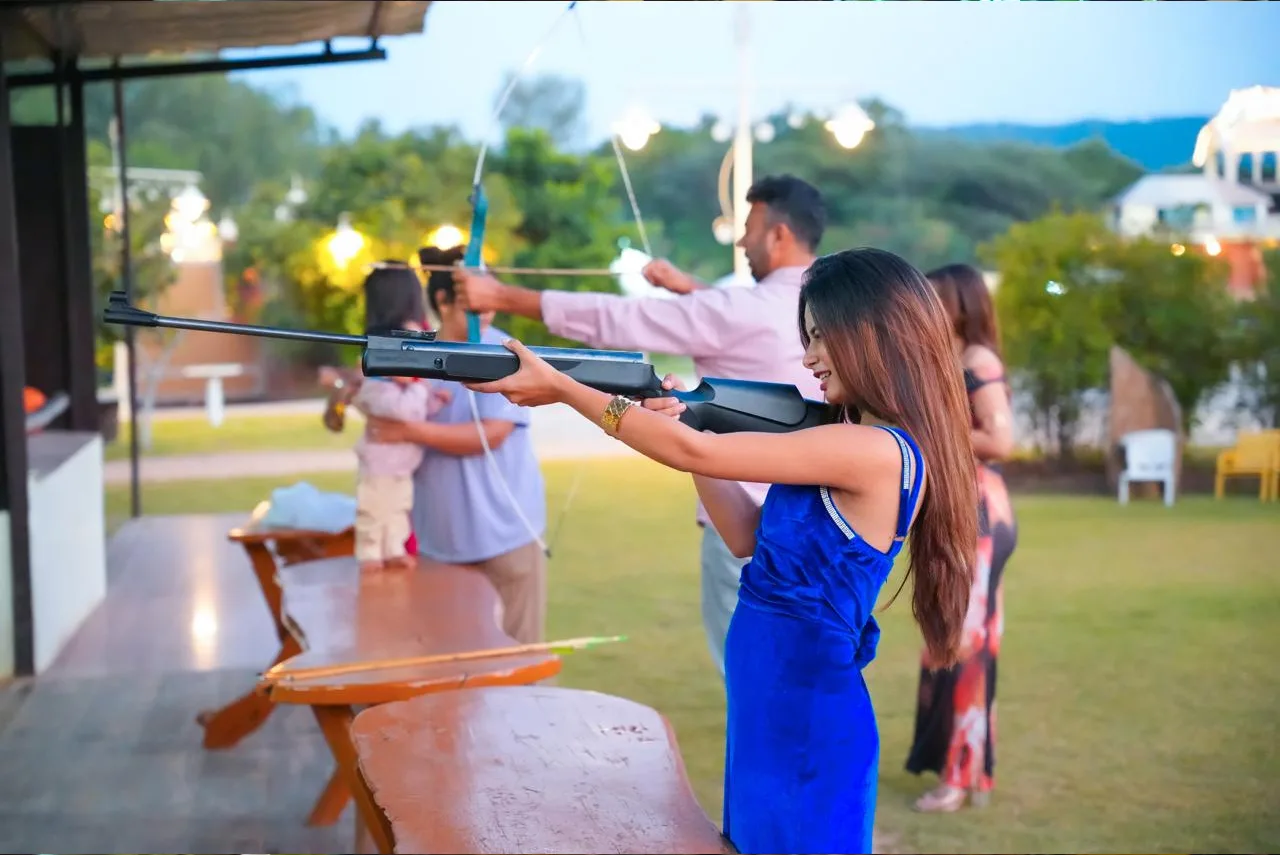
Resist the urge to fill every available hour with an activity. If you want to offer optional experiences, make them easy to join and clearly communicate whether they require advance planning. Guests can then choose what suits their energy and interests.
A resort stay can also give guests a chance to enjoy the property at their own pace, depending on available facilities and arrangements. Ask the venue which activities or amenities guests may use, the hours they operate and whether advance booking is needed. Confirm these details before sharing them in your itinerary.
Keep planning decisions organised
Destination weddings involve many moving parts, so keep the core information in one shared document. Include confirmed dates, event timings, guest numbers, vendor contacts, setup requirements, payment milestones and the latest decisions. Record who made each decision and when it was confirmed.
When reviewing a proposal, check what is included and what is billed separately. Confirm accommodation terms, event timings, cancellation or change policies, vendor access and any requirements for setup or removal. Ask for important arrangements in writing so both families and the venue team can refer to the same information.
As you compare options, explore the wedding arrangements at Lohagarh Fort Resort and ask the team about current availability, spaces and planning details. The right choice is one that fits your celebration, budget and guests—not simply the longest list of features.
FAQs
Is a resort suitable for a multi-day destination wedding in Jaipur?
A resort may suit a multi-day wedding when the couple wants to bring functions and guest stays into a coordinated plan. Before deciding, confirm which event spaces and accommodation options are available on your dates, how functions can be scheduled and what the proposal includes. Lohagarh Fort Resort can share current wedding arrangements and help couples understand which options fit their guest count and event plan.
What should couples ask a Jaipur wedding venue before booking?
Ask about availability, event spaces, accommodation, included services, vendor policies, meal options, setup timings and the terms for changes or cancellations. Also discuss the expected guest count and the number of functions, because these details affect planning. Lohagarh Fort Resort can provide information about its current wedding options when couples share their preferred dates and celebration requirements.
How many functions should a destination wedding weekend include?
There is no fixed number. The right schedule depends on family traditions, guest travel and the amount of time everyone has. Couples can prioritise the essential functions, then decide whether additional gatherings add genuine value. Lohagarh Fort Resort can discuss event planning considerations with couples once they have a tentative schedule and an estimate of the guests attending.
How can couples make a Jaipur wedding comfortable for out-of-town guests?
Share the itinerary, directions, arrival guidance and contact information well in advance. Include realistic travel time and avoid scheduling important events too soon after guests arrive. Consider the needs of older relatives, children and guests with dietary requirements. Lohagarh Fort Resort can clarify accommodation and event arrangements that couples may want to include in their guest information.
When should couples contact a resort about destination wedding dates?
Contact venues as soon as you have a preferred date range and a rough guest count. Early conversations allow time to compare availability, spaces, accommodation and planning requirements before invitations are sent. Lohagarh Fort Resort can explain its current availability and next steps for couples considering a wedding celebration at the property.