Overview
Bhutan, the Kingdom of the Thunder Dragon, needs careful planning due to its unique "High Value, Low Impact" tourist policy, which demands the Sustainable Development Fee (SDF) and the employment of a licensed guide for the majority of visitors. Mastering logistics is the first step toward a successful and rewarding Bhutan trip. This guide deconstructs the three critical planning pillars: the ideal route, the actual costs, and the optimal timing.
Mastering the Routes: The Classic Triangle
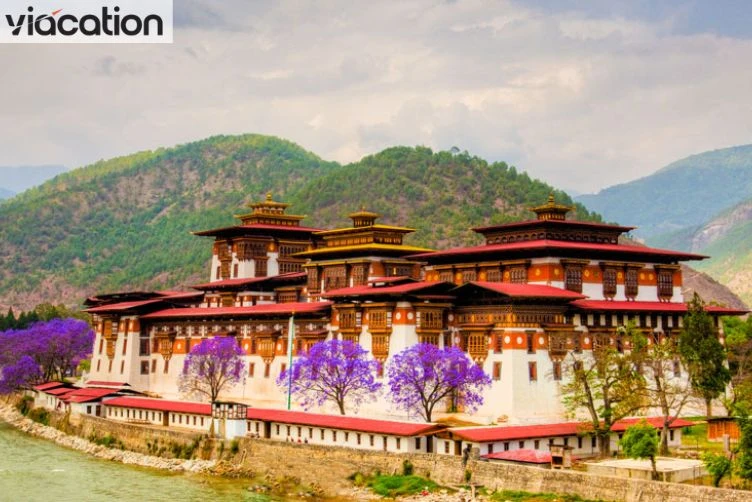
The most effective and thorough itinerary for first-time tourists is the "Classic Golden Triangle," which takes about 6 to 8 days. All international visitors arrive at Paro International Airport (PBH), making it the ideal starting point. The classic route begins in Paro and ends in Thimphu, the capital, which combines tradition and modernity. The path then takes you over the breathtaking Dochula Pass to Punakha, famous for its towering Dzong. This circuit allows you to visit the Tiger's Nest Monastery, historical strongholds, and witness Bhutan's distinctive culture, and it serves as the cornerstone for most Bhutan tour packages.
Understanding the True Cost
The SDF has the biggest impact on your budget. Currently set at $100 USD per person per night for most foreign tourists, this fee directly supports the country’s free healthcare, education, and environmental projects. While this makes the trip seem expensive, the quality of infrastructure and service is exceptional. For Indian nationals, the SDF is lower, but permits are still required. The total cost of your Bhutan tour will depend on the duration and the tier of accommodation you select, but budgeting for the SDF upfront is crucial.
The Good Time to Visit
Peak Season: March, April, May, September, October, and November are the best months to enjoy clear skies, comfortable temperatures, and the best Himalayan views. This is also the time for celebrations like the Paro and Thimphu Tshechus.
Shoulder Season (June, July and August): This is the monsoon period. While the valleys are lush and prices are lower, visibility can be poor due to clouds and rain.
Winter (December, January and February): Cold, but the skies are crystal clear and great for mountain views. Prices are low, and the Black-Necked Cranes arrive in Phobjikha Valley.
Ready to craft the planning stress for the stunning serenity of the Himalayas? Ensure a seamless and perfectly tailored journey.
Find your ideal Bhutan package and start planning today at viacation.com!