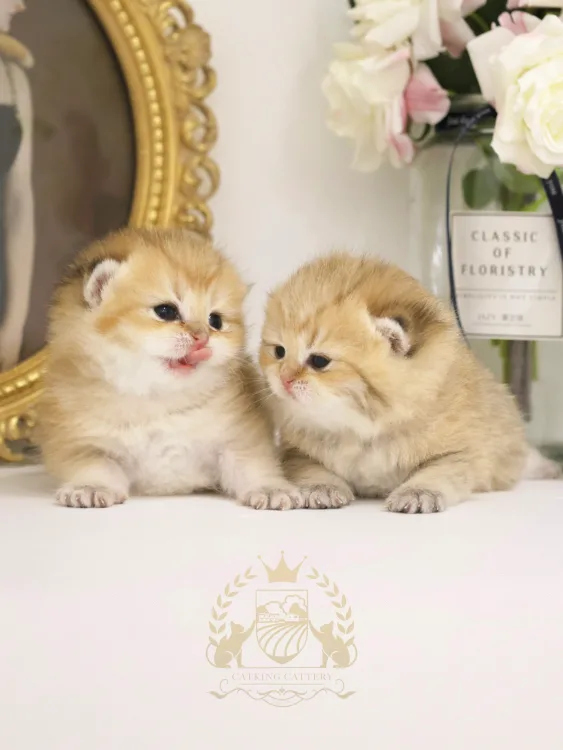
Bringing home a pedigree kitten is a long-term commitment, and the breeder you choose shapes your cat’s health and temperament for years. Knowing how to recognize a responsible cat breeder protects both you and your future companion. This guide covers the signs that matter most, using CatKing Cattery, a TICA- and CFA-registered cattery that raises British Shorthair and British Longhair kittens, to show how those standards look in practice.
Check Registration and Legal Standing
Reputable cat breeders in New York register their breeding cats and every litter with a recognized registry. The Canadian Veterinary Medical Association’s code of practice for catteries names TICA, CFA and the Canadian Cat Association among them. Registration is a starting point rather than proof of quality, so confirm it directly with the registry. Canada also has no cattery licensing system, although some provinces regulate parts of animal care, so searching for licensed cat breeders is less useful than checking registry membership, business registration and insurance. CatKing, for example, operates as a legally registered Ontario corporation, is registered with TICA, CFA and WCF, and carries commercial liability insurance.
Look for Health Screening and a Written Guarantee
According to the same code, good breeders provide vaccination records and health documentation showing their breeding cats are free of certain genetic disorders. They also give a written health guarantee and a contract that explains what happens if a problem appears. Ask what is screened for in your chosen breed. The Cornell Feline Health Center notes that hypertrophic cardiomyopathy, the most common heart disease in cats, is more prevalent in some breeds, including the British Shorthair, and that genetic screening is available. A breeder who welcomes these questions is a good sign.
Ask About Kitten Age and Socialization
The veterinary code advises that good breeders keep kittens until about ten to twelve weeks of age. During that time, kittens should be handled daily and introduced to everyday household sounds, so they adapt easily to family life. The PDSA’s kitten checklist likewise highlights asking when the kitten was born and whether it was raised with its mother. At CatKing, kittens grow up in a nurturing environment with plenty of socialization and love.
Expect Questions, Not Pressure
A responsible breeder wants to know about your home. The code says good breeders discourage impulse purchases, take time to confirm that the breed suits the buyer, and encourage families with allergies to speak with a doctor first.
Be cautious if you feel rushed, if answers are vague, or if the breeder shows little interest in where the kitten is going. Clear contracts, patient communication and honest answers about a breed’s drawbacks all point in the right direction. The code adds that breeders should only plan litters when there is genuine demand for the kittens, which keeps breeding deliberate rather than constant.
Red Flags to Watch For
Walk away if kittens are offered before eight weeks of age, if health records are missing, or if the breeder cannot explain the contract. The veterinary code describes poor breeders as selling kittens young and often without proper vaccinations, keeping crowded facilities and paying little attention to how often cats are bred. Evasive answers are a warning on their own.
Spay and Neuter Policies Matter
The code recommends that owners who do not plan to breed have their cats sterilized at an appropriate age, and notes that some breeders sterilize before sale.
CatKing requires every kitten to be spayed or neutered. Families can choose the cattery’s package, completed before the kitten goes to its new home, or use their own veterinarian, backed by a refundable deposit that is returned once veterinary proof and a post-procedure video are provided.
Support After the Kitten Goes Home
The relationship should not end at hand-over. Look for a breeder who offers advice on feeding, grooming and behavior, and who can point you toward veterinary care. CatKing’s after-sales support covers dietary and grooming advice, behavioral consultations and veterinary referrals.
Recognizing a responsible cat breeder comes down to transparency: registration you can verify, documented health screening, well-socialized kittens, fair contracts and ongoing support. Ask every question on your list, compare breeders patiently and trust those who welcome scrutiny. No single sign tells the whole story, so look at the full picture before you commit.
CatKing Cattery focuses on British Shorthair and British Longhair kittens, and its cats have competed at international shows. As a British Shorthair cat breeder registered with TICA, CFA and WCF, it pairs temperament and health with the written guarantee and documentation described above. Families who buy British Shorthair kittens in New York through CatKing’s reservation process receive guidance from the first enquiry through settling in.
CatKing aims to be the best cattery for families who value openness and honest answers. Readers with questions can contact the CatKing team directly.