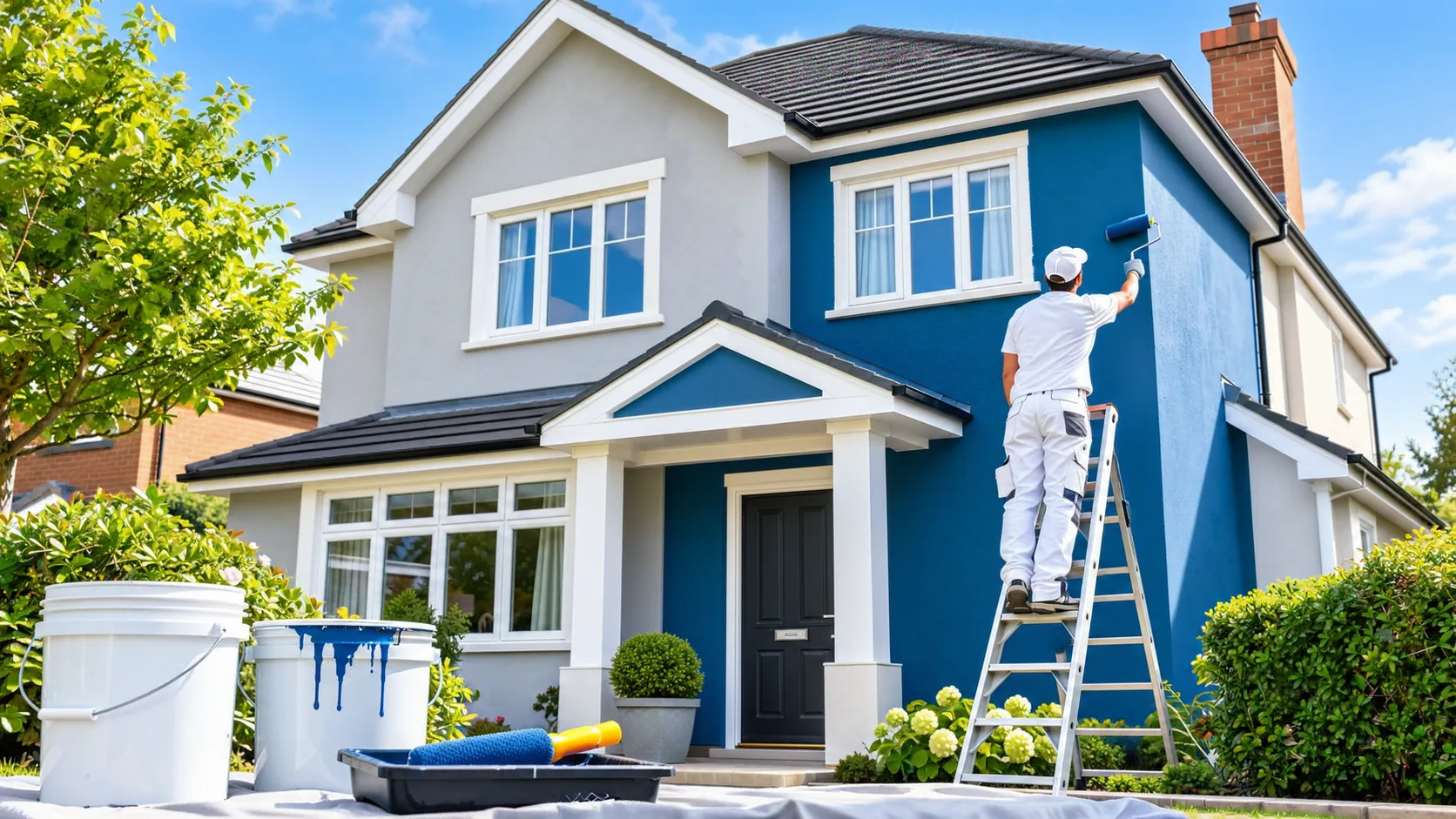
The outside of a house is often the first thing people notice. Whether it is a traditional brick property, a modern family home or a period building, the condition of its exterior plays an important role in creating a welcoming appearance. Over time, however, changing weather conditions, pollution, moisture and everyday wear can leave walls looking tired and neglected. Peeling paint, faded colours and cracked surfaces can gradually affect the overall appearance of a property.
A fresh coat of paint can make a considerable difference, but exterior decorating involves much more than simply choosing an attractive colour. Proper preparation, suitable materials and careful application all contribute to a finish that looks good and stands up to changing weather conditions.
For homeowners considering an improvement project, understanding the value of professional preparation and workmanship can make the entire process easier. With the right approach, exterior house painting services can help improve kerb appeal while providing an additional layer of protection against the elements.
Why Exterior House Maintenance Should Never Be Overlooked
Exterior surfaces are exposed to conditions that indoor walls rarely experience. Rain, wind, sunlight, frost and temperature changes gradually affect painted finishes. Even good-quality paint can deteriorate when exposed to these conditions for several years.
Ignoring early signs of damage can also lead to more complicated maintenance problems. For example, small cracks may allow moisture to enter the surface, while peeling paint can leave underlying materials exposed. Timber features may become vulnerable to dampness, and previously painted masonry may begin to look uneven.
Regular maintenance helps homeowners identify these problems before they become more expensive to address. It also keeps the property looking presentable throughout the year.
Some common warning signs include:
- Paint that is flaking, bubbling or peeling.
- Discolouration caused by prolonged sunlight exposure.
- Cracks appearing around exterior walls and window frames.
- Faded finishes on doors, fascias and other painted features.
- Mould, algae or staining caused by moisture.
- Exposed timber that requires suitable protective treatment.
Recognising these issues early allows homeowners to arrange appropriate repairs and repainting before the condition of the exterior deteriorates further.
The Benefits of a Professionally Painted Exterior
Painting the outside of a property is an investment in its appearance and ongoing maintenance. Although some homeowners prefer to tackle smaller decorating jobs themselves, larger exterior projects require careful planning, specialist equipment and an understanding of different surface materials.
Choosing experienced decorators can make a noticeable difference to the final result.
Improving Kerb Appeal
A well-maintained exterior creates a positive first impression. Faded walls, untidy paintwork and neglected wooden features can make even a beautiful property appear older than it really is.
A carefully selected colour scheme can bring different architectural features together and give the house a more balanced appearance. Fresh paint around windows, doors, walls and decorative details can make the entire property feel more welcoming.
This is particularly useful for homeowners preparing to sell or rent their property, as external presentation can influence how prospective buyers and tenants perceive the building.
Protecting Exterior Surfaces
Paint is not simply a decorative covering. When the correct products are selected and applied to properly prepared surfaces, they can help protect suitable materials from weather-related deterioration.
Exterior masonry paints, for example, are designed to withstand outdoor exposure. Wood coatings offer protection for appropriate timber surfaces, while specialist metal paints can help protect railings and other metal features.
However, paint should never be treated as a substitute for repairing structural defects or resolving persistent damp problems. Any underlying issues should be investigated and addressed before decorating begins.
Supporting Long-Term Property Maintenance
A properly planned painting project can reduce the need for frequent cosmetic repairs. High-quality materials, thorough preparation and suitable application techniques all contribute to a durable finish.
This does not mean painted surfaces will never need attention again. Instead, regular inspections and timely maintenance can help extend the useful life of the finish and prevent avoidable deterioration.
Why Preparation Is the Most Important Part of Exterior Painting
One of the biggest differences between an average decorating job and a professional-looking finish is the preparation work completed beforehand.
Applying paint directly over dirty, loose or damaged surfaces rarely produces lasting results. Even expensive products can fail when the surface underneath has not been prepared correctly.
A reliable decorating process should begin with a detailed inspection of the property.
Cleaning the Exterior
Dirt, dust, algae and other deposits can prevent paint from adhering properly. Depending on the surface and its condition, decorators may use suitable cleaning methods to remove contamination without causing damage.
Pressure washing can be appropriate for certain exterior surfaces, but it must be carried out carefully. Excessive pressure can damage masonry, force water into vulnerable areas or affect existing finishes.
After cleaning, surfaces should be allowed to dry sufficiently before further work begins.
Repairing Damaged Areas
Cracks, holes and loose sections should be assessed before painting. Minor surface imperfections may require suitable fillers, while more significant damage could need specialist repair.
Old, flaking paint should also be removed where necessary. Simply painting over loose material can result in the new coating peeling away prematurely.
Timber surfaces may need sanding, filling or replacement of damaged sections, depending on their condition.
Applying the Correct Primer
Primer helps prepare certain surfaces for the finishing coats. It can improve adhesion, create a more consistent base and support the performance of the selected paint system.
Different materials require different products. Bare timber, previously painted masonry, metalwork and repaired surfaces may all need specific preparation treatments.
Selecting the right primer is therefore just as important as choosing the final colour.
Choosing Colours That Complement Your Property
Colour selection is one of the most enjoyable parts of an exterior decorating project, but it deserves careful consideration.
A shade that looks attractive on a small sample card may appear very different when applied across an entire wall. Natural light, surrounding buildings, garden features and the architectural style of the house can all influence how a colour looks.
Neutral shades such as warm white, cream, soft grey and muted beige remain popular because they create a clean and timeless appearance. Homeowners who prefer something more distinctive may consider subtle greens, earthy tones or deeper shades for selected architectural features.
Before making a final decision, consider the following:
- Architectural style: Choose colours that complement the age and character of the building.
- Surrounding environment: Consider neighbouring properties, garden colours and the wider streetscape.
- Natural light: Observe how different shades look in sunlight and during overcast conditions.
- Existing features: Coordinate the paintwork with windows, doors, roofing and other permanent details.
- Long-term appeal: Think about whether the chosen colour will still feel suitable after several years.
Testing sample colours on a small section of the exterior is a sensible way to avoid disappointment.
Understanding Different Exterior Paint Types
Not all exterior paints are suitable for every surface. Choosing the wrong product can affect adhesion, appearance and durability.
The most appropriate option depends on the material being painted, its existing condition and the level of exposure to weather.
Masonry Paint
Masonry paint is designed for suitable exterior mineral surfaces, including rendered walls and certain types of brickwork. Different formulations offer varying levels of weather resistance and breathability.
Homeowners should check the manufacturer's guidance to ensure the product is suitable for the particular surface.
Exterior Wood Paint
Wooden doors, window frames, fascias and other timber features need coatings designed for outdoor use. These products help protect suitable timber against weather exposure while providing a decorative finish.
The surface must be clean, dry and properly prepared before application.
Metal Paint
Metal railings, gates and exterior fixtures may require specialist coatings. Depending on the material and its condition, rust removal and a suitable primer may be necessary before applying the finishing product.
Using the correct paint system helps achieve a consistent appearance and provides appropriate protection.
What to Expect During an Exterior Painting Project
Understanding the stages involved can help homeowners plan their decorating project more confidently.
A typical project starts with an initial assessment. The decorator examines the property's exterior, identifies areas requiring attention and discusses the homeowner's expectations.
Once the scope of work has been agreed, preparation can begin. This may involve cleaning, scraping, sanding, filling and priming, depending on the condition of the surfaces.
The finishing coats are then applied using suitable brushes, rollers or spraying equipment where appropriate. The method depends on the size of the area, surface texture and product manufacturer's recommendations.
At Adam's Painting, attention to preparation and the condition of the existing surfaces is an important consideration when approaching exterior decorating work.
Homeowners should also understand that weather conditions can influence the schedule. Painting during heavy rain, excessive humidity, strong winds or unsuitable temperatures can affect the quality of the finish. Allowing sufficient drying time between coats is equally important.
Once the painting is complete, the property should be checked for missed sections, uneven coverage and areas requiring additional attention. A final inspection helps ensure the completed work meets the agreed expectations.
How to Choose the Right Exterior Decorator
Finding a suitable decorating professional involves more than comparing prices. The quality of preparation, experience with different surfaces and attention to detail can all influence the outcome.
Before choosing a contractor, consider asking a few practical questions.
Do they have relevant experience?
Exterior decorating requires an understanding of different materials and weather-resistant products. Ask about previous projects involving properties similar to yours.
Can they explain their preparation process?
A reliable decorator should be able to explain how damaged areas will be treated, which surfaces need priming and how the work will be carried out.
Are the materials suitable?
Ask which products are being considered and why they are appropriate for your property. Product suitability is particularly important for older buildings and surfaces exposed to regular moisture.
Is the quotation clear?
A written quotation should explain the areas included, preparation requirements, materials, labour and any additional work that may be necessary.
Do they communicate clearly?
Good communication helps avoid misunderstandings about colours, timescales, access arrangements and project expectations.
Taking time to assess these details can help homeowners make a more informed decision.
Common Exterior Painting Mistakes Homeowners Should Avoid
Even a relatively straightforward painting project can encounter problems when important details are overlooked.
One common mistake is rushing the preparation stage. Dirty surfaces, loose paint and untreated cracks can affect the finished coating. Another is choosing paint based entirely on colour or price without checking whether it is suitable for the material.
Ignoring the weather forecast can also cause difficulties. Paint applied under unsuitable conditions may dry unevenly or fail to perform as expected.
Homeowners should also avoid applying unnecessarily thick coats in an attempt to finish the project quickly. Following the manufacturer's coverage and drying recommendations generally produces better results.
Finally, safety should never be overlooked. Working at height involves considerable risks, particularly when using ladders or accessing upper-storey walls. Appropriate access equipment and suitable safety precautions should always be considered.
Maintaining Your Exterior Paintwork After Completion
Once the painting project is finished, a little ongoing attention can help keep the property looking its best.
Inspect exterior walls and painted features periodically, particularly after harsh weather. Look for peeling paint, cracks, damaged sealant and signs of moisture.
Remove surface dirt when necessary using cleaning methods appropriate for the material. Gutters and downpipes should also be kept clear, as overflowing water can leave marks and contribute to moisture-related problems.
Trim plants and climb vegetation where they are pressing against painted surfaces. Good airflow can help reduce moisture retention around walls and timber features.
If a small area becomes damaged, addressing it promptly may prevent the problem from spreading. Keep details of the paint products and colours used during the original project, as this can make future maintenance easier.
Adam's Painting recognises the importance of a well-maintained exterior, where careful workmanship and suitable materials contribute to the overall presentation of a property.
Frequently Asked Questions
How often should a house exterior be repainted?
There is no single timetable that applies to every property. The frequency depends on the surface material, paint quality, preparation, exposure to weather and general maintenance. Regular inspections can help identify when repainting is necessary.
What is the best weather for exterior painting?
Mild, dry conditions are generally preferable. Extreme temperatures, rain, strong winds and high humidity can affect paint application and drying. Always follow the manufacturer's recommended application conditions.
Does exterior painting require a primer?
Not every surface requires the same preparation. Bare materials, repaired sections and certain previously painted surfaces may benefit from a suitable primer. The correct approach depends on the substrate and selected paint system.
Can exterior walls be painted without cleaning them first?
Cleaning is usually an important preparation step. Dirt, algae and loose material can interfere with adhesion and affect the final appearance. The cleaning method should be suitable for the surface.
How can homeowners achieve a longer-lasting finish?
Thorough preparation, appropriate paint selection, correct application and regular maintenance all contribute to a more durable result.
Final Thoughts
A well-presented exterior can change the way a property looks and feels. More importantly, a properly planned decorating project helps maintain suitable exterior surfaces and address visible signs of everyday wear.
From choosing complementary colours to repairing damaged areas and selecting the right coatings, every stage has a role in achieving a satisfactory result. Homeowners who take the time to understand these details are better placed to make decisions that suit their property and budget.
Whether the aim is to refresh faded walls, improve kerb appeal or maintain an older building, exterior house painting services should be approached with careful planning and attention to detail. Working with experienced decorators such as Adam's Painting can help homeowners understand the process and make informed choices about maintaining their property's exterior.