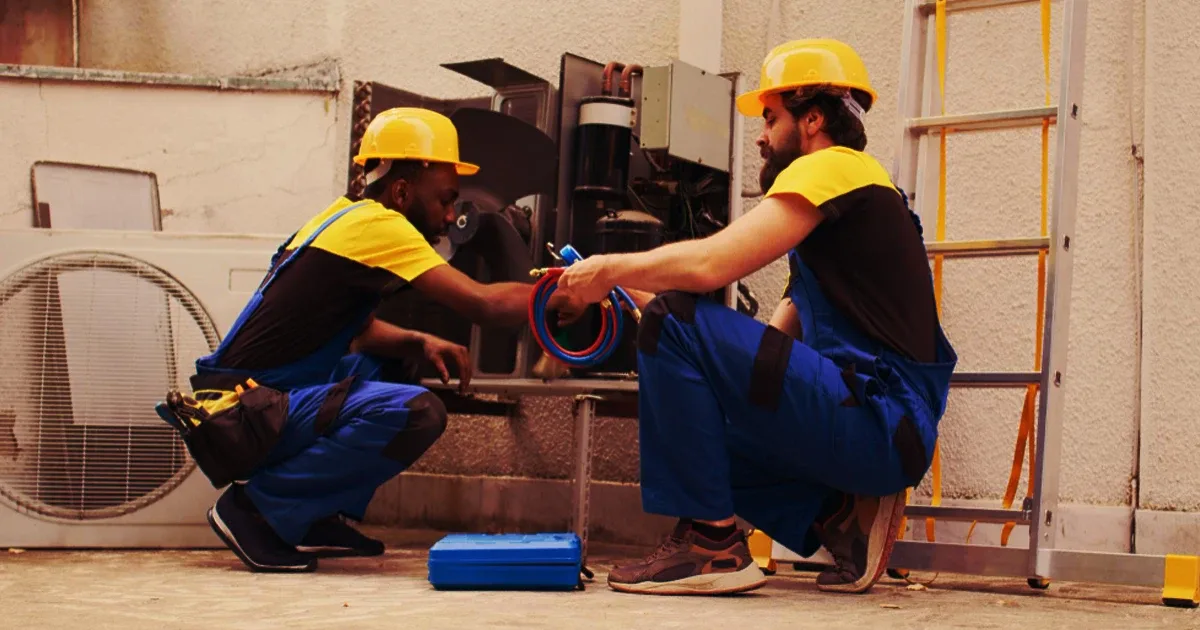
Dubai’s climate brings long periods of intense heat, elevated humidity, and regular dust storms, which makes heating, ventilation, and air conditioning (HVAC) systems a necessity in homes, offices, shops, and industrial buildings. Because these systems often run for many hours each day, they are exposed to constant strain. Without proper care, this can result in reduced efficiency, faster wear, and sudden equipment failures.
By learning about the most frequent HVAC issues and taking steps to prevent them, property owners can lower energy use, avoid expensive repairs, and help their systems last longer. This article looks at the most common HVAC concerns in Dubai and shares practical ways to keep cooling systems working efficiently.
Why Dubai's Climate Puts Extra Pressure on HVAC Systems
Compared with places that have milder weather, Dubai experiences extreme summer temperatures that can rise above 40°C. As a result, air conditioning units often operate for long stretches every day, putting pressure on compressors, fans, and electrical parts.
Other environmental conditions also affect performance:
Extreme summer temperatures that increase system workload
Desert dust that clogs air filters, coils, and ductwork
High humidity levels that reduce cooling efficiency
Coastal salt exposure that accelerates corrosion of outdoor units
Continuous year-round air conditioning demand
Intense UV exposure that affects outdoor HVAC components
Frequent sandstorms that impact system performance and airflow
Because of these factors, routine maintenance is vital for dependable HVAC operation.
Common HVAC Problems in Dubai
Dirty or Clogged Air Filters
Air filters help trap dust, sand, pollen, and other particles before they enter the system. In Dubai, filters can become dirty very quickly because of frequent dust exposure.
When a filter is blocked, airflow drops and the HVAC unit has to work harder to push air through the system. This leads to weaker cooling and higher electricity consumption.
Signs of Dirty Filters
* Reduced airflow from vents
* Uneven cooling across rooms
* Increased power bills
* More dust inside the building
* Lower indoor air quality
Clean or replace filters based on the manufacturer’s guidance. Properties close to construction areas, busy roads, or dusty surroundings may need filter changes more often.
Refrigerant Leaks
Refrigerant is the substance that absorbs heat from indoor air and carries it outside. If even a small leak develops, the system’s cooling ability can drop noticeably.
Leaks may happen because of corrosion, worn-out parts, poor installation, or loose connections.
Warning Signs
* Warm air coming from vents
* Ice building up on refrigerant lines
* Longer cooling cycles than usual
* Hissing sounds near pipes
* Higher electricity usage
A qualified technician should inspect and repair leaks quickly to protect the compressor and restore proper cooling.
Dirty Condenser Coils
The outdoor condenser unit is constantly exposed to dust, sand, and debris. Over time, this buildup can coat the condenser coils and make it harder for the system to release heat.
When heat transfer is reduced, the HVAC unit must run longer to reach the desired temperature.
Prevention
The outdoor condenser unit is constantly exposed to dust, sand, and debris. Over time, this buildup can coat the condenser coils and make it harder for the system to release heat.
When heat transfer is reduced, the HVAC unit must run longer to reach the desired temperature.
Cleaning the condenser coils on a regular basis helps improve cooling output and lowers energy consumption.
Frozen Evaporator Coils
Evaporator coils may freeze when airflow is restricted or when refrigerant levels are too low.
Once the coils freeze, the system cannot cool properly and other components may also be affected.
Common Causes
* Dirty air filters
* Closed or blocked vents
* Refrigerant leaks
* Malfunctioning blower fans
Fixing the underlying issue early can prevent more serious and costly damage.
Thermostat Malfunctions
The thermostat monitors indoor temperature and signals the HVAC system to start or stop, helping maintain a consistent and comfortable indoor environment. If it is not reading temperatures correctly, the system may run too often or fail to cool the space properly.
Common Symptoms
* Temperature readings that seem inaccurate
* Frequent starting and stopping
* System not turning on
* Noticeable temperature swings
Regular calibration and replacement when needed help keep thermostat performance accurate.
Blocked Drain Lines
Air conditioners remove moisture from indoor air, and that water is carried away through condensate drain lines.
Dust, algae, and debris can clog these lines, causing water to back up and leak into ceilings, walls, or floors.
Routine cleaning of drain lines helps prevent water damage and lowers the chance of mould developing.
Compressor Problems
The compressor serves as the core component of an HVAC system, circulating refrigerant to remove heat from indoor spaces and deliver efficient cooling. Because it works continuously in extreme heat, it is under constant pressure.
Lack of maintenance, refrigerant problems, and electrical faults can all lead to compressor failure.
* Unusual loud noises during operation
* Weak cooling output
* Frequent system shutdowns
* Tripped circuit breakers
* Rising electricity costs
Since compressor replacement is often costly, preventive maintenance is especially important.
Electrical Component Failure
HVAC systems rely on many electrical parts, such as capacitors, contactors, relays, and wiring connections.
High temperatures and nonstop use can gradually weaken these components over time.
* The system will not start
* A burning smell near the unit
* Cooling that turns on and off unpredictably
* Flickering or unresponsive control panels
Regular electrical checks can identify worn parts before they fail completely.
Poor Airflow
When airflow is restricted, comfort drops and operating costs rise.
Common causes include:
* Dirty filters
* Closed supply vents
* Damaged ductwork
* Faulty blower motors
* Dirty evaporator coils
Keeping air moving properly helps the entire system run more efficiently.
Duct Leakage
Conditioned air can escape through ducts that are damaged or poorly sealed before it reaches the rooms that need cooling.
This often leads to uneven temperatures and wasted energy.
* Some rooms feel cooler than others
* Dust collecting around vents
* Higher-than-normal utility bills
* Weak airflow from registers
Having the ductwork inspected and sealed by a professional can greatly improve system performance.
The Importance of Preventive HVAC Maintenance
Preventive maintenance is one of the best ways to reduce breakdowns and keep HVAC systems operating smoothly.
Regular inspections allow technicians to spot small issues before they turn into major repairs.
Typical maintenance tasks include:
* Cleaning or replacing air filters
* Checking refrigerant levels
* Cleaning condenser and evaporator coils
* Tightening electrical connections
* Lubricating moving parts
* Testing thermostats
* Inspecting drainage lines
* Examining ductwork
* Confirming overall system performance
Consistent servicing supports dependable operation throughout the year.
Improving Energy Efficiency
Efficient HVAC use helps both property owners and the environment.
Keep Filters Clean
Clean filters reduce resistance to airflow and help the system cool more effectively.
Maintain Outdoor Units
Make sure outdoor condensers stay clear of sand, leaves, and other debris.
Seal Air Leaks
Well-sealed windows, doors, and ductwork help prevent cooled air from escaping.
Use Programmable Thermostats
Programmable controls can reduce unnecessary cooling when spaces are empty.
Improve Building Insulation
Better insulation reduces heat gain and lowers the demand on HVAC equipment.
Schedule Professional Maintenance
Regular servicing keeps the system running efficiently and helps prevent unexpected failures.
Indoor Air Quality Matters
An HVAC system does more than regulate temperature—it also affects the quality of the air people breathe indoors.
If the system is not maintained properly, it may spread:
* Dust
* Allergens
* Bacteria
* Mould spores
* Unpleasant smells
Cleaning filters, coils, and ducts regularly supports healthier indoor spaces, especially in homes, schools, offices, and healthcare facilities.
When to Call an HVAC Professional
Some HVAC issues should be handled by a trained technician right away.
Arrange an inspection if you notice:
Unusual Noises
Grinding, rattling, buzzing, or squealing sounds often point to mechanical trouble.
Weak Cooling
If the system runs but the room still feels warm, professional diagnosis is needed.
Water Leaks
Moisture around indoor units may indicate blocked drains or frozen coils.
Rising Energy Bills
A sudden increase in electricity use can be a sign that the system is losing efficiency.
Frequent Cycling
If the unit turns on and off too often, it may be under stress and should be checked.
Long-Term Benefits of Proper HVAC Care
A well-maintained HVAC system provides several lasting advantages:
Lower Operating Costs
Efficient equipment uses less electricity and helps reduce monthly bills.
Extended Equipment Lifespan
Regular maintenance reduces strain on important parts and delays replacement costs.
Improved Comfort
Reliable cooling keeps indoor temperatures steady and comfortable.
Better Indoor Air Quality
Clean systems help reduce airborne contaminants and support healthier air.
Reduced Emergency Repairs
Preventive care lowers the chance of sudden breakdowns during the hottest months.
Conclusion
Dubai’s climate puts heavy pressure on HVAC systems, which makes regular maintenance essential. Common problems such as dust buildup, refrigerant leaks, clogged filters, electrical faults, and restricted airflow can all reduce cooling performance. The good news is that many of these issues can be avoided through routine inspections, timely cleaning, and proactive servicing.
By understanding how HVAC systems work and addressing small problems early, property owners can improve efficiency, maintain indoor comfort, extend equipment life, and reduce repair expenses over time. Investing in preventive HVAC maintenance supports dependable cooling throughout the year and helps create healthier, more comfortable indoor environments.