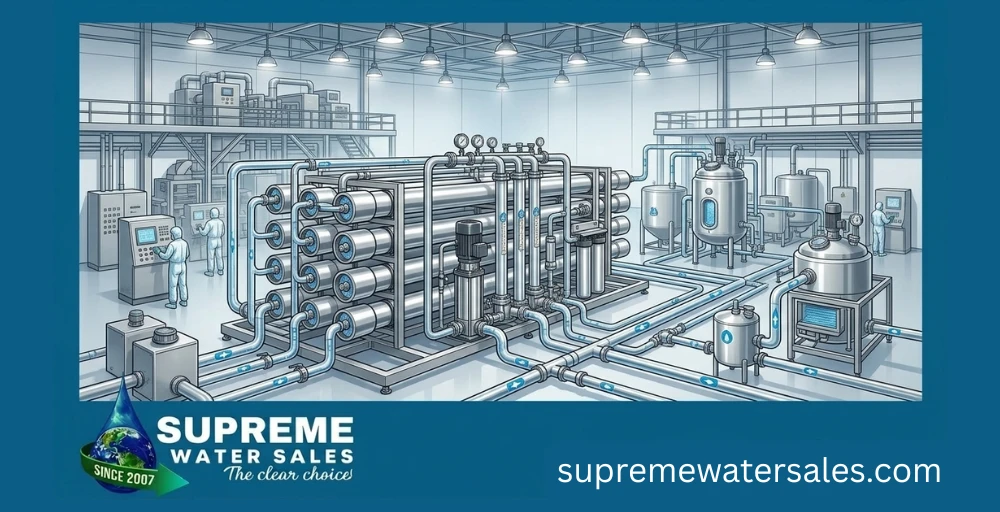
Water is a critical resource in nearly every industrial process—from manufacturing and food production to pharmaceuticals and power generation. Ensuring that water is clean, consistent, and suitable for specific applications is essential for maintaining operational efficiency, product quality, and regulatory compliance. This is where Hydronix water technology plays a vital role. Designed to address diverse filtration needs, it supports industries in managing water quality effectively while minimizing downtime and maintenance costs.
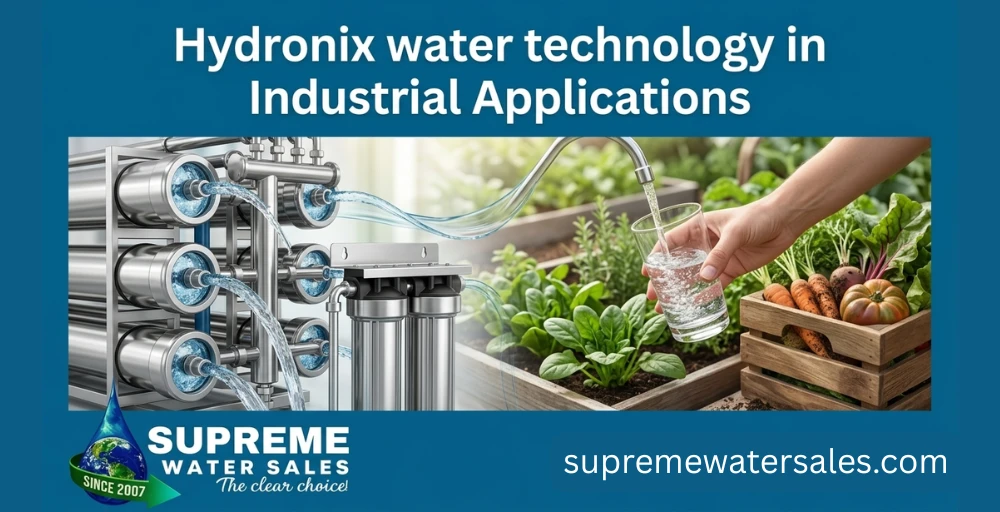
The Importance of Water Filtration in Industry
Industries rely heavily on water not just as a raw material, but also for cooling, cleaning, processing, and transportation of substances. However, untreated or poorly filtered water can introduce contaminants such as sediments, rust, and microorganisms. These impurities can damage machinery, affect product quality, and lead to costly repairs or shutdowns.
Industrial filtration systems are designed to remove these unwanted particles, ensuring that water meets the required standards for specific applications. The effectiveness of filtration directly impacts operational performance, making it a cornerstone of industrial infrastructure.
Understanding Hydronix water technology
At its core, Hydronix water technology focuses on advanced filtration solutions that cater to a wide range of industrial requirements. It typically includes sediment filters, melt-blown cartridges, and pleated filter designs, each engineered to capture particles of varying sizes.
These filtration systems are characterized by their micron ratings, which determine the size of particles they can remove. For example, a 5-micron filter can capture finer particles compared to a 50-micron filter. This flexibility allows industries to choose the right level of filtration based on their specific needs.
Another key aspect is the variety of filter sizes and configurations available. From compact cartridges to large-capacity systems, these filters are designed to integrate seamlessly into existing industrial setups.
Key Industrial Applications
Industrial water filtration is not a one-size-fits-all solution. Different sectors have unique requirements, and filtration systems must be tailored accordingly.
1. Manufacturing
In manufacturing, water is used in processes such as metal finishing, machining, and surface treatment. Contaminants in water can lead to defects in products and reduce the lifespan of equipment. Reliable filtration ensures consistent quality and reduces maintenance costs.
2. Food and Beverage
Water quality is directly linked to product safety in this sector. Filtration systems help remove sediments and impurities, ensuring compliance with health and safety standards. Clean water also enhances taste, appearance, and shelf life.
3. Pharmaceuticals
Pharmaceutical production requires extremely high levels of water purity. Even minor contaminants can compromise product integrity. Advanced filtration systems play a crucial role in meeting stringent regulatory requirements.
4. Power Generation
Water is used for cooling and steam generation in power plants. Impurities can cause scaling and corrosion, reducing efficiency and increasing operational risks. Effective filtration helps maintain system reliability.
Types of Filters Used in Industrial Systems
Melt-Blown Filters
These filters are widely used for sediment removal. They are constructed using layered materials that capture particles throughout the depth of the filter. This design enhances dirt-holding capacity and extends filter life.
Pleated Filters
Pleated filters offer a larger surface area, allowing for higher flow rates and improved efficiency. They are ideal for applications requiring fine filtration and consistent performance.
Jumbo and High-Capacity Filters
For large-scale operations, high-capacity filters are used to handle greater volumes of water. These filters reduce the frequency of replacements and are suitable for heavy-duty industrial environments.
Benefits of Using Advanced Filtration Systems
Improved Equipment Longevity
Clean water reduces wear and tear on machinery, extending its lifespan and reducing maintenance costs.
Enhanced Product Quality
Consistent water quality ensures that end products meet required standards, minimizing defects and rework.
Operational Efficiency
Efficient filtration systems reduce downtime and improve overall productivity.
Cost Savings
By preventing damage and reducing maintenance needs, filtration systems contribute to long-term cost savings.
Role of hydro filtration in Industrial Processes
The concept of hydro filtration goes beyond basic sediment removal. It encompasses a range of techniques designed to treat water for specific industrial applications. This includes multi-stage filtration, where water passes through different filters to achieve the desired level of purity.
In many industries, hydro filtration systems are integrated with other treatment methods such as chemical dosing or UV purification. This holistic approach ensures that water meets both operational and regulatory requirements.
Factors to Consider When Choosing a Filtration System
Micron Rating
Selecting the right micron rating is crucial. A lower micron rating provides finer filtration but may reduce flow rate, while a higher rating allows for faster flow but captures larger particles.
Flow Rate
Industrial operations often require high flow rates. Filters must be chosen to handle the required volume without compromising performance.
Filter Size and Compatibility
Ensuring that the filter fits existing systems is essential for seamless integration. Standard sizes make replacement and maintenance easier.
Maintenance Requirements
Filters should be easy to replace and maintain. Systems with longer lifespans and higher dirt-holding capacity reduce operational disruptions.
Integration with Industrial Systems
Modern filtration systems are designed for easy integration into existing industrial setups. They can be installed in pipelines, tanks, or standalone units, depending on the application.
Automation is another key feature, allowing for real-time monitoring and control. Sensors can detect pressure changes and signal when filters need replacement, ensuring uninterrupted operation.
Environmental and Regulatory Considerations
Industries are increasingly required to comply with environmental regulations related to water usage and discharge. Effective filtration systems help meet these requirements by reducing contaminants and improving water quality.
Sustainable practices, such as recycling and reusing water, are also gaining importance. Advanced filtration systems enable industries to minimize waste and reduce their environmental footprint.
The Role of Hydronox water treatment facility in Industrial Ecosystems
A Hydronox water treatment facility represents a centralized approach to managing water quality in industrial settings. Such facilities combine multiple treatment processes, including filtration, chemical treatment, and disinfection, to ensure comprehensive water management.
These facilities are particularly beneficial for large-scale operations where water demand is high and quality standards are stringent. By centralizing treatment, industries can achieve greater efficiency and consistency.
Future Trends in Industrial Water Filtration
The field of industrial water filtration is evolving rapidly, driven by technological advancements and increasing environmental awareness.
Smart Filtration Systems
Integration of IoT and automation allows for real-time monitoring and predictive maintenance, reducing downtime and improving efficiency.
Advanced Materials
New filter materials are being developed to enhance performance and durability, enabling better particle capture and longer lifespans.
Sustainability Focus
Industries are adopting eco-friendly filtration solutions that reduce waste and energy consumption.
Why Hydronix water technology Stands Out
One of the key strengths of Hydronix water technology is its adaptability. It offers a wide range of filtration options that can be customized to meet specific industrial needs. Whether it’s removing coarse sediments or achieving fine filtration, these systems provide reliable performance across various applications.
Additionally, the availability of different sizes and configurations ensures that industries can find solutions tailored to their operational requirements. This flexibility makes it a valuable component of modern industrial water management.
Who Can Use Industrial Water Filtration Systems and Who Cannot?
Understanding where industrial water filtration systems are most effective—and where they may not be suitable—is essential before implementing them in any operation.
Who Can Use Industrial Water Filtration Systems
- Manufacturing units that rely on clean water for processing, cooling, or finishing
- Food and beverage facilities requiring high standards of water purity
- Pharmaceutical industries needing ultra-clean water for production
- Power plants using water for steam generation and cooling systems
- Commercial facilities managing large-scale water usage and recycling
- Industries aiming to reduce equipment wear caused by sediments and impurities
Who Should Not Use Industrial Water Filtration Systems
- Operations dealing with heavy sludge or large solid waste without pre-treatment systems
- Applications requiring complete chemical or biological purification alone
- Systems where water flow is extremely high but filtration infrastructure is limited
- Situations where untreated wastewater contains hazardous or corrosive materials beyond filter capacity
- Small-scale applications where basic filtration or simpler solutions are sufficient
In such cases, additional treatment methods like chemical processing, biological treatment systems, or specialized wastewater solutions may be more appropriate.
Supreme Water Sales: Your Reliable Source for Industrial Filtration Solutions
At Supreme Water Sales, we bring you a wide selection of high-performance filtration products designed for industrial needs. From melt-blown cartridges to pleated and jumbo filters in multiple sizes and micron ratings, we ensure reliable solutions for diverse applications. With our commitment to quality and competitive pricing, we help you maintain efficiency and water purity. Our easy ordering process, bulk options, and expert support make us a dependable partner for all your filtration requirements.
Conclusion
Water filtration is an essential aspect of industrial operations, influencing everything from equipment performance to product quality and regulatory compliance. With increasing demands for efficiency and sustainability, industries must invest in reliable and adaptable filtration solutions.
Hydronix water technology provides a comprehensive approach to industrial water management, offering versatile and effective filtration options. By understanding its applications and benefits, industries can make informed decisions that enhance performance, reduce costs, and ensure long-term success.
Frequently Asked Questions
1. What is Hydronix water technology?
It refers to advanced water filtration solutions designed to remove sediments and impurities in industrial applications, ensuring clean and consistent water quality.
2. Why is water filtration important in industrial processes?
It prevents equipment damage, improves product quality, and ensures compliance with safety and environmental regulations.
3. What types of filters are commonly used in industrial systems?
Common types include melt-blown filters, pleated filters, and high-capacity jumbo cartridges for handling different filtration needs.
4. How do micron ratings affect filtration performance?
Micron ratings determine the size of particles a filter can capture—lower ratings remove finer particles, while higher ratings allow greater flow with less fine filtration.
5. Which industries benefit the most from industrial water filtration?
Industries like manufacturing, food and beverage, pharmaceuticals, and power generation rely heavily on effective water filtration systems.
6. What is hydro filtration in industrial applications?
It is a multi-stage filtration approach that combines different methods to achieve the desired level of water purity for specific industrial uses.
7. How often should industrial filters be replaced?
Replacement depends on usage, water quality, and filter type, but regular monitoring is essential to maintain efficiency and prevent system issues.