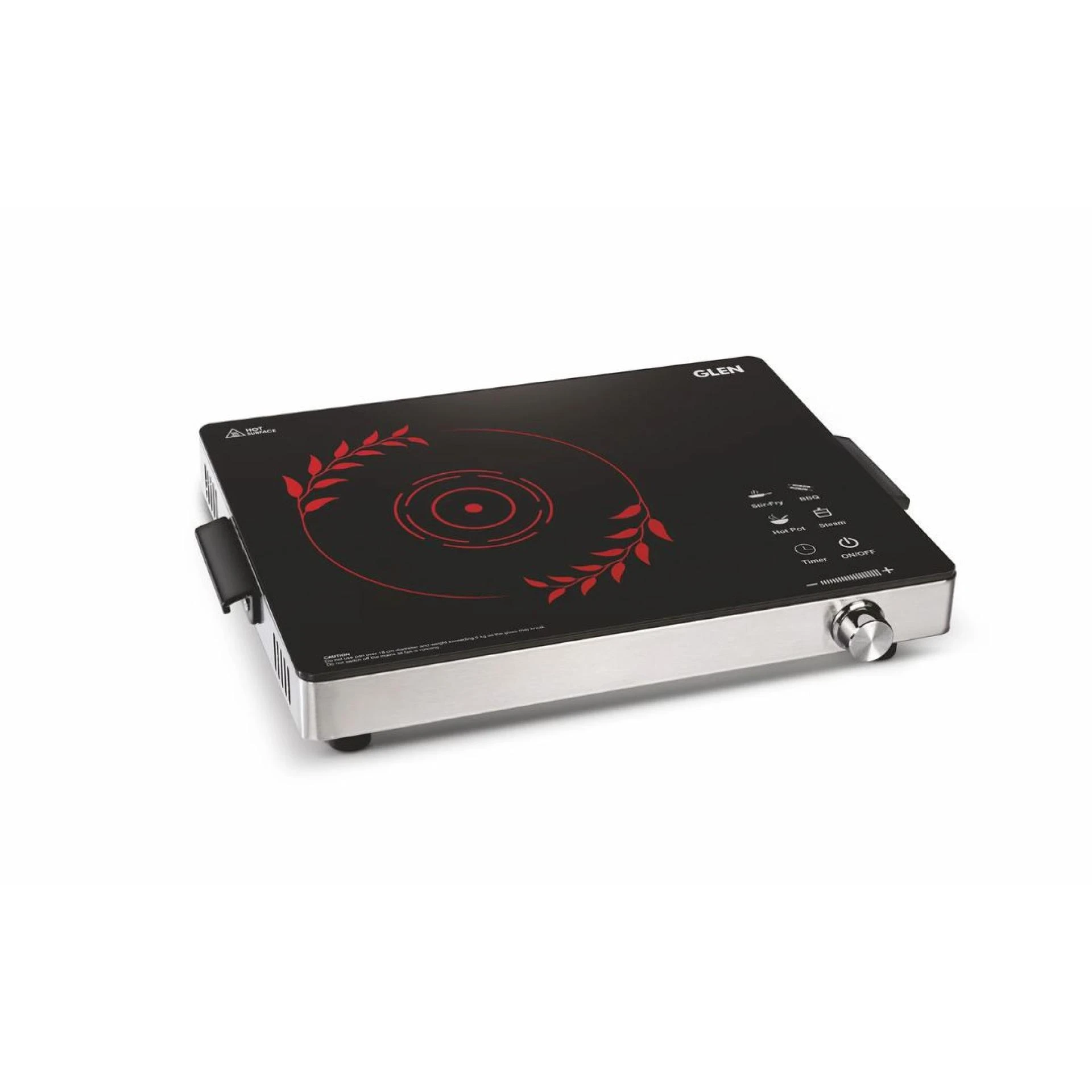
Explore the top-rated induction stoves for 2026. Discover their benefits, features, and why they are the future of energy-efficient cooking.
Induction stoves are gaining popularity due to their energy efficiency, speed, and safety features. These advanced cooking appliances use electromagnetic energy to heat pots and pans directly, making them faster and more efficient than traditional stoves. Whether you're upgrading your kitchen or investing in a more eco-friendly option, induction stoves are an excellent choice. But what makes them stand out? In this guide, we’ll explore everything you need to know about induction stoves and help you choose the right one for your needs.
What is an Induction Stove and How Does it Work?
Induction cooking works by using electromagnetic fields to heat cookware directly. Unlike conventional cooking methods that heat the stove top, induction stove use coils beneath the glass surface to generate a magnetic field. This field induces a current in the cooking vessel, causing it to heat up. This process is faster and more energy-efficient because less heat is lost to the surrounding environment.
Key Features of Induction Stoves:
- Energy Efficiency: Induction stoves are more energy-efficient compared to gas or electric stoves.
- Precise Control: The temperature adjustments on induction stoves are quick and accurate.
- Safety: Induction stoves remain cool to the touch, reducing the risk of burns or fires.
Benefits of Using an Induction Stove
Induction stoves come with numerous advantages that make them a superior choice for modern kitchens. Here’s a deeper look at why you should consider upgrading to an induction stove.
Faster Cooking Times:
Induction stoves heat cookware directly, leading to faster cooking times. This is perfect for busy individuals or those who want to prepare meals quickly without compromising on taste.
Energy Efficiency:
Induction cooking is more energy-efficient than traditional methods. It only heats the cookware, which minimizes wasted energy. This not only helps lower utility bills but is also better for the environment.
Easy to Clean:
The smooth, flat surface of induction stoves makes them incredibly easy to clean. Since the stovetop doesn’t get hot (except for the cookware), spilled food doesn’t burn, reducing the mess.
How to Choose the Right Induction Stove
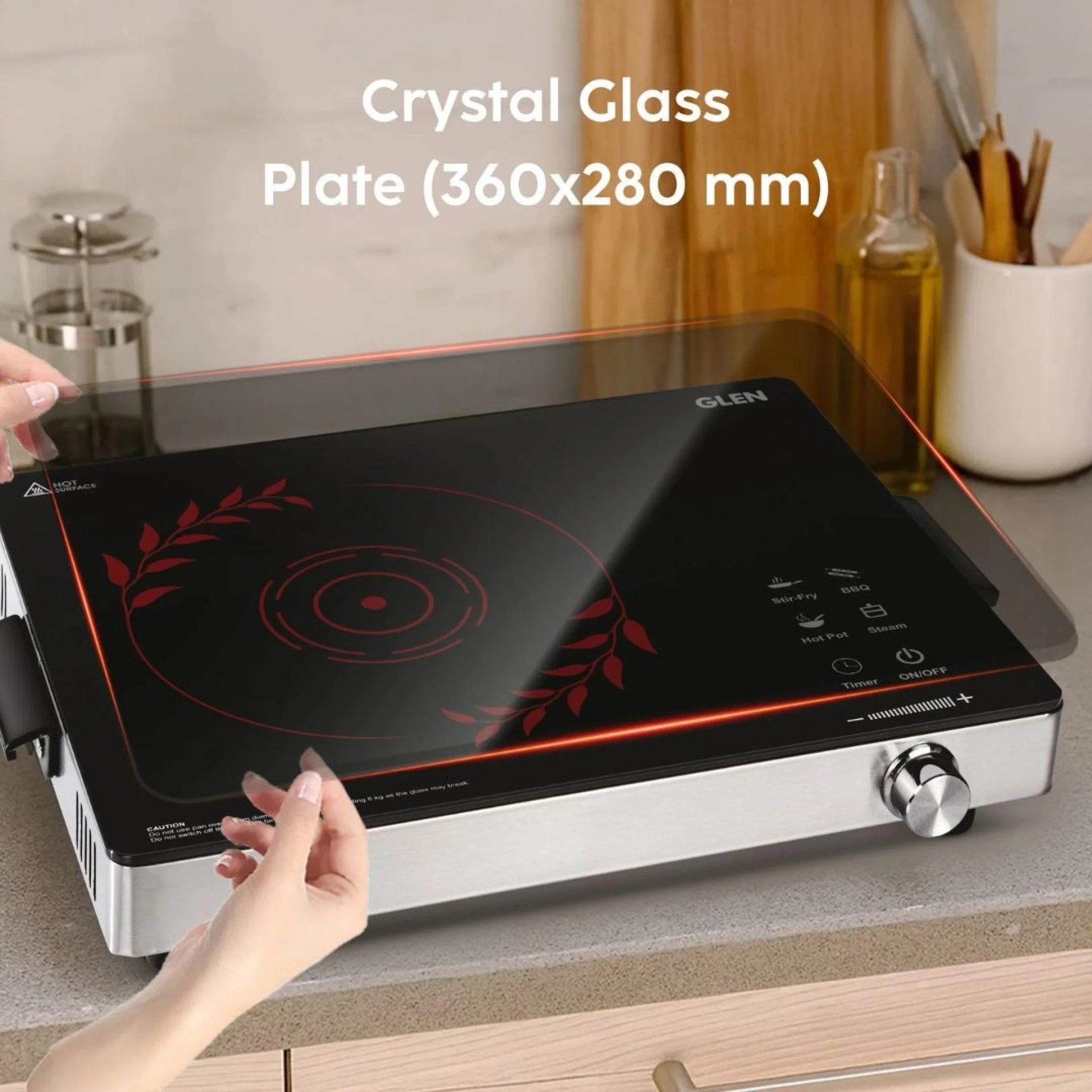
Selecting the right induction stove can seem overwhelming, but understanding your cooking needs and preferences can help simplify the process. Here’s a quick guide to help you make an informed decision:
Consider Your Cooking Style
- Small Kitchen: A portable or countertop induction stove is ideal for limited space.
- Large Kitchen: For those with ample space, a built-in induction cooktop with multiple burners will provide flexibility for cooking various dishes simultaneously.
Important Features to Look for:
- Size and Burners: Make sure the stove has enough burners for your cooking requirements.
- Control Settings: Look for precise temperature control for a better cooking experience.
- Power Output: Higher wattage stoves heat up faster, making them ideal for those who want quick results.
Types of Induction Stoves Available
Induction stoves come in different models suited for various kitchen setups. Here are the primary types you’ll encounter:
Portable Induction Stoves:
Perfect for small spaces, these are compact and easy to move around. They’re often single-burner units and are great for people who need a temporary cooking solution.
Built-In Induction Cooktops:
These units are installed into your countertop and offer more cooking space. They’re available in multiple burner configurations and provide a sleek, modern look to any kitchen.
Freestanding Induction Ranges:
A full-size induction stove with an oven, these units offer the convenience of both an oven and an induction cooktop in one appliance. Ideal for those who cook often and need a lot of space.
Tips for Maintaining Your Induction Stove
Taking care of your induction stove will ensure it lasts longer and continues to perform at its best. Here are a few tips to help you maintain your induction stove:
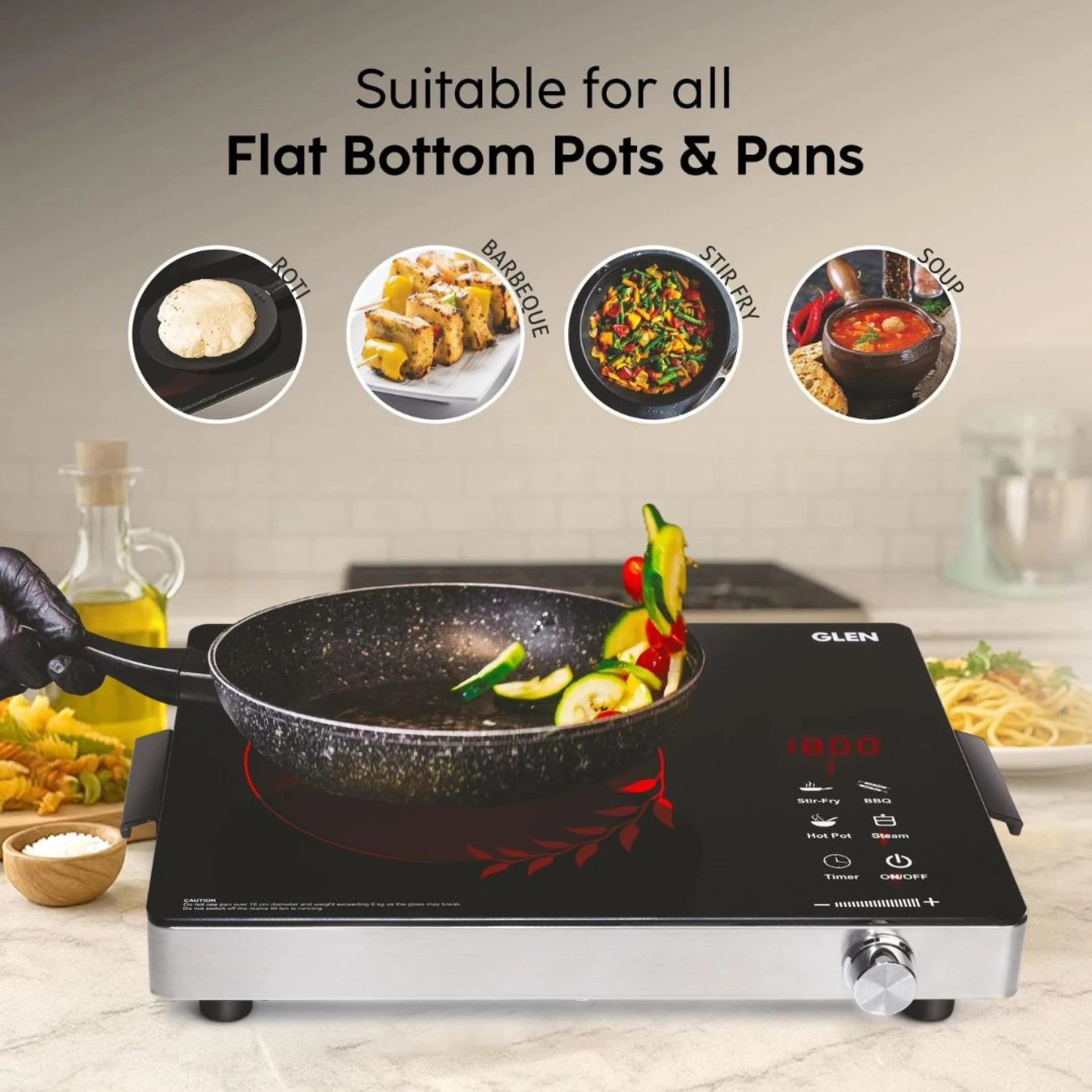
- Use Compatible Cookware: Not all cookware is compatible with induction stoves. Ensure your pots and pans are magnetic by testing them with a magnet.
- Clean Regularly: After each use, wipe down the stove to avoid food build-up. Use non-abrasive cleaners to keep the surface scratch-free.
- Check the Ventilation: Ensure there’s enough ventilation around the stove to prevent overheating.
Why Choose Induction Stoves Over Other Cooking Methods?
When compared to traditional cooking methods, induction stoves come out on top for several reasons:
- Faster cooking – Save time with faster heat-up times.
- Lower energy consumption – Induction cooking uses less power than electric or gas stoves.
- Cleaner kitchens – The cool surface prevents food from burning onto the stove, making cleanup much easier.
Frequently Asked Questions (FAQ)
Are induction stoves better than gas stoves?
Induction stoves are generally considered better than gas stoves due to their faster cooking times, energy efficiency, and ease of cleaning. While gas stoves offer precise flame control, induction cooking is more consistent and safer, especially in households with children.
What is the lifespan of an induction stove?
An induction stove can last up to 10-15 years, depending on the quality of the model and how well it's maintained. Regular cleaning and proper care can extend its lifespan.
Can I use my regular cookware on an induction stove?
Only cookware that is magnetic (i.e., made from iron or steel) will work on an induction stove. You can check compatibility by using a magnet. If it sticks to the bottom of your cookware, it’s induction-compatible.
Is induction cooking safe?
Yes, induction cooking is very safe. The stove surface stays cool to the touch, reducing the risk of burns. Additionally, induction stoves automatically turn off if no cookware is detected.
Are induction stoves energy-efficient?
Induction stoves are highly energy-efficient because they directly heat the cookware, unlike gas or electric stoves that waste energy. This makes induction cooking not only eco-friendly but also cost-effective.
How much does an induction stove cost?
Induction stove prices vary depending on the model and features. Portable models can start as low as $50, while built-in cooktops and ranges can range from $200 to $2,000 or more, depending on the size and brand.
Induction stoves are the future of cooking, offering fast, efficient, and safe cooking experiences. If you’re looking to upgrade your kitchen or simply want a more energy-efficient cooking solution, consider investing in one today. Explore our induction stove collection here and take the first step toward a smarter kitchen.