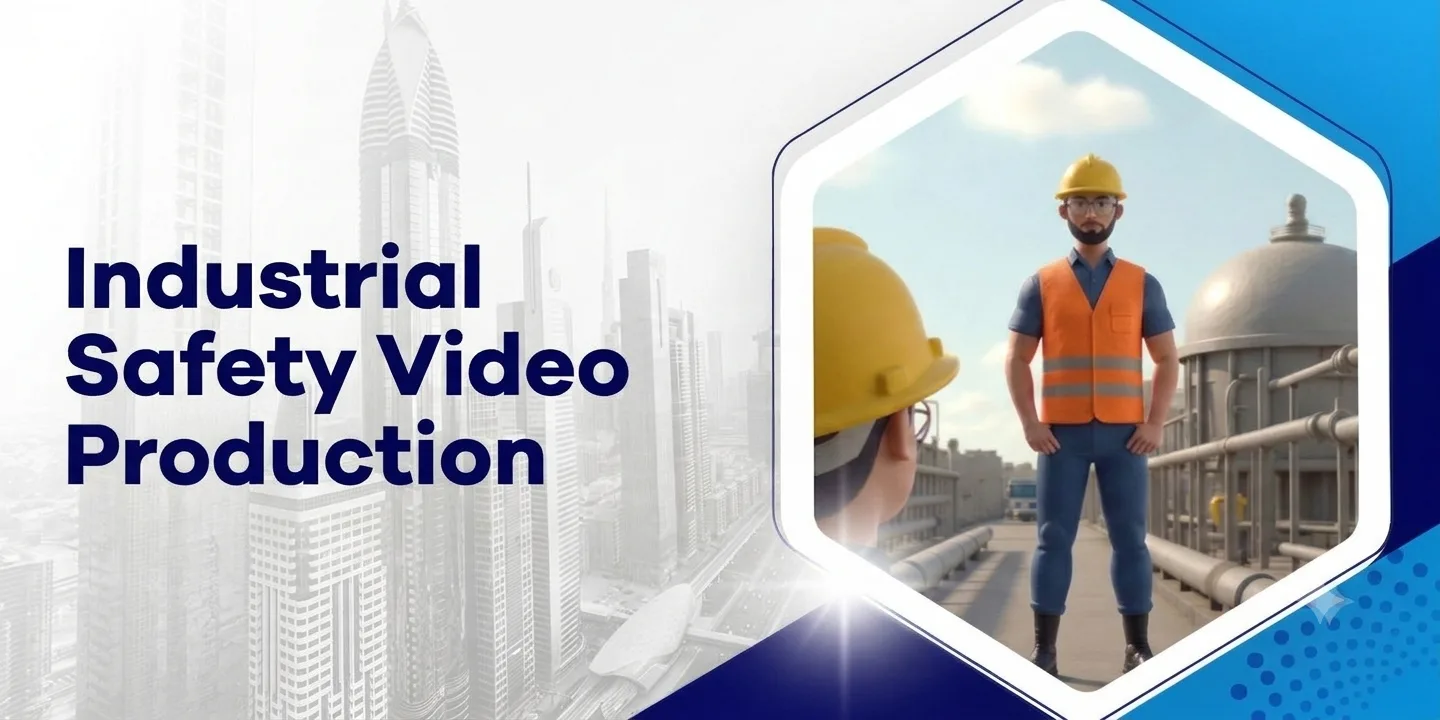
Industrial workplaces often involve machinery, specialised equipment, hazardous materials and physically demanding activities. Employees working in these environments need to understand the risks associated with their responsibilities and know how to follow safety procedures correctly. Regular training helps workers become more aware of potential hazards and encourages them to make safer decisions during daily operations.
However, delivering safety information through lengthy presentations or written manuals can sometimes make it difficult for employees to understand and retain important instructions. This is where industrial safety video production can make a difference. Videos provide a visual learning experience that demonstrates workplace situations, explains procedures and presents safety information in an easy-to-follow format.
Organisations can use safety videos to communicate essential rules, demonstrate equipment usage and explain how employees should respond to emergencies. By combining visuals, narration and practical examples, companies can make safety training more engaging and accessible.
Why Visual Safety Training Is Effective
Visual communication helps employees understand information by showing how specific tasks should be performed. Instead of reading instructions about operating machinery or handling materials, employees can watch demonstrations that explain the correct process.
Safety videos can also highlight unsafe practices and their potential consequences. For example, a training video can demonstrate how improper PPE usage, incorrect lifting techniques or ignoring warning signs may create workplace risks. These visual examples can help employees recognise unsafe behaviour and understand why safety procedures matter.
Videos also provide a consistent training experience. Every employee receives the same information, regardless of the trainer, location or shift. This consistency is particularly valuable for companies managing multiple facilities or large workforces.
Common Topics Covered in Industrial Safety Videos
Industrial safety videos can be developed around specific workplace requirements. Businesses can create training content that addresses the risks employees regularly encounter.
Some common topics include:
- Machine operation and equipment handling
- Personal protective equipment requirements
- Electrical safety procedures
- Fire prevention and emergency response
- Working at heights and fall protection
- Chemical handling and storage
- Manual handling and lifting practices
- Workplace housekeeping and hazard identification
These topics can be presented through live-action demonstrations, animated sequences, motion graphics or a combination of different visual techniques. The content should be based on actual workplace procedures and relevant risk assessments to ensure that employees receive practical and accurate information.
Making Employee Training More Engaging
Employee attention is an important factor in the effectiveness of safety training. When information is presented in a repetitive or complicated manner, workers may struggle to remain engaged throughout the session.
Industrial safety video production allows businesses to develop training content that uses real workplace environments, relatable situations and clear explanations. Videos can demonstrate procedures step by step, making technical information easier to understand.
For example, a video about machine safety can show the equipment, identify important controls, explain operating procedures and demonstrate the precautions employees should take before starting work. Animated graphics can highlight specific parts of a machine or explain internal processes that cannot be easily filmed.
Short videos can also be used during toolbox talks and regular safety meetings. Instead of presenting multiple topics in one lengthy session, supervisors can introduce individual safety lessons through focused video content.
Supporting Safety Induction and Refresher Training
Safety induction training is an important part of introducing new employees to workplace procedures. Workers need to understand company safety rules, emergency arrangements, restricted areas and their responsibilities before beginning their activities.
A well-structured safety induction video can help communicate these requirements consistently. Businesses can use the same video for new employees, contractors and visitors while adding additional training for specific job roles.
Refresher training is equally important because safety procedures, equipment and operational requirements may change over time. Videos can be updated to reflect new practices and provide employees with a convenient way to revisit essential instructions.
Companies operating across multiple locations can also use video training to communicate standard procedures to different teams.
The Role of Professional Video Production
Creating effective safety videos requires more than recording footage and adding narration. The production process should begin with understanding workplace activities, identifying training objectives and reviewing relevant safety information.
A professional production team can work with subject matter experts to develop scripts, plan scenes and identify the most suitable visual approach. Live-action filming can demonstrate real procedures, while animation can explain complicated processes or illustrate scenarios that may be difficult to film safely.
Clear narration, subtitles, graphics and appropriate pacing can further improve the learning experience. The final video should present instructions in a logical sequence without unnecessary information or distracting visuals.
Businesses looking to create customised employee training content can explore professional industrial safety video production in saudi arabia to develop videos suited to their operational requirements.
Creating a Consistent Safety Culture
Safety training should be an ongoing process rather than a one-time activity. Employees need regular reminders about workplace risks, operational procedures and their individual responsibilities.
Video-based training can support this process by providing reusable content for induction sessions, toolbox talks, safety campaigns and refresher programmes. Organisations can develop a collection of videos covering different workplace activities and distribute them whenever required.
When employees receive clear, practical and consistent safety information, they may become more confident in recognising hazards and following procedures. Videos can also encourage discussions between supervisors and workers about workplace risks and improvements.
Conclusion
Industrial safety training plays an important role in helping employees understand workplace hazards and follow responsible working practices. Industrial safety video production offers businesses a practical way to communicate procedures, demonstrate safe behaviour and make training more engaging.
By combining relevant visuals, clear explanations and workplace-specific information, organisations can create training resources that support employee awareness across different departments and locations. Well-planned safety videos can become a valuable part of an organisation's ongoing training programme and workplace safety communication strategy.