Thailand has long stood as a manufacturing powerhouse in Southeast Asia, specializing in critical sectors such as automotive, electronics, and food processing. However, global markets are increasingly demanding not just volume, but rapid customization, higher quality, and faster delivery, all against a backdrop of rising operational costs and intensifying regional competition from countries with lower labor rates. To maintain global competitiveness and realize its vision for a value-based, innovation-driven economy, Thailand must fundamentally transform its production base.
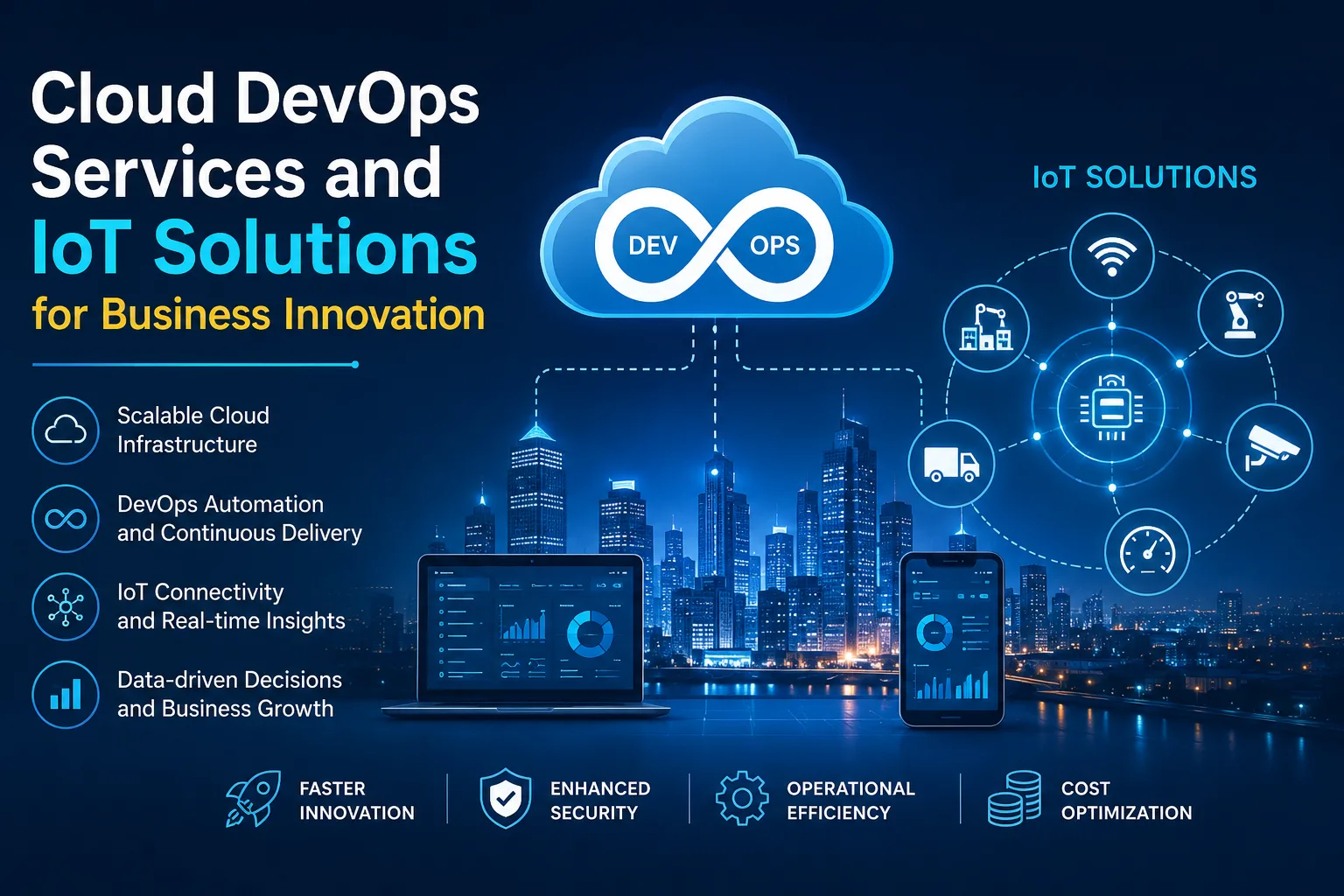
This imperative is driving the adoption of Industry 4.0—the fourth industrial revolution. Industry 4.0 represents the complete digitalization of the production and value chain, integrating advanced technologies like the Internet of Things (IoT), Artificial Intelligence (AI), and cloud computing into factories. The goal is to move beyond simple automation to create "smart factories" where machines, systems, and people communicate in real time, enabling self-optimizing processes, unprecedented agility, and resilience—a transformation critical for Thai manufacturers in the Eastern Economic Corridor (EEC) and beyond.
1. The Core Technologies Driving the Smart Factory
The smart factory, the physical embodiment of Industry 4.0, relies on the seamless convergence of several key digital and physical technologies. These technologies connect the shop floor to the top floor, allowing data to flow freely and inform decisions instantly.
Industrial Internet of Things (IIoT)
The IIoT is the foundation of the connected factory, providing the data necessary for all other systems to function.
- Connectivity: IIoT involves embedding sensors, microprocessors, and connectivity into machines, robots, devices, and products. These devices collect massive amounts of real-time data on everything from vibration and temperature to production output and energy consumption.
- Visibility: By linking all physical assets to the network, manufacturers gain unprecedented visibility into the entire production process. For a Thai automotive parts manufacturer, this means instantly knowing the precise status of every CNC machine and robotic arm across the factory floor, rather than relying on manual checks or physical reports.
Big Data and Predictive Analytics
The sheer volume of data generated by IIoT sensors requires advanced systems to process it into actionable insights.
- Real-Time Insight: Big data platforms, powered by Artificial Intelligence (AI) and Machine Learning (ML), analyze data streams in real time. This moves decision-making from reactive to proactive.
- Predictive Maintenance: This is arguably the most immediate and valuable benefit. Instead of following fixed, calendar-based maintenance schedules (which often lead to unnecessary costs or, worse, unplanned breakdowns), sensors track wear and tear. AI algorithms can then accurately predict when a piece of equipment is likely to fail, allowing maintenance to be scheduled only when necessary. This maximizes equipment uptime, a critical factor in high-volume export industries.
Digital Twins and Simulation
Digital Twins create virtual replicas of physical assets, processes, or even entire production lines, enabling manufacturers to model and test changes risk-free.
- Virtual Testing: A Digital Twin is a continuously updated, real-time virtual model powered by live data from its physical counterpart. Before introducing a new product line or altering a production parameter on a conveyor system, Thai engineers can run thousands of simulations on the Digital Twin to optimize efficiency, anticipate bottlenecks, and perfect the process.
- Optimization: This technology significantly reduces the time and cost associated with product development and process optimization, making Thai manufacturing far more flexible and responsive to sudden changes in market demand or customer customization requests.
2. Transformation of Key Manufacturing Processes
Industry 4.0 technologies are not simply automating old processes; they are fundamentally changing how work is done, leading to new levels of efficiency, quality, and flexibility.
Hyper-Customization and Batch-of-One
Traditional manufacturing was built around producing large volumes of identical products. Smart factories embrace flexibility, allowing for rapid, low-cost customization.
- Flexible Production: Connected machines and modular production lines can be reprogrammed almost instantly using centralized control software. This means a single production line can seamlessly switch from manufacturing a high-volume product to a custom, small-batch order without extensive downtime for retooling. This agility is key for Thai companies serving diverse global and domestic markets.
Horizontal and Vertical Integration
The concept of integration is central to Industry 4.0, eliminating the traditional silos of information across the business.
- Vertical Integration: This connects the shop floor (Operational Technology or OT) directly to the management level (Information Technology or IT). Data flows from the sensors and Programmable Logic Controllers (PLCs) up to the Manufacturing Execution Systems (MES) and the enterprise resource planning (ERP) system, giving managers real-time insight into costs and inventory.
- Horizontal Integration: This connects production facilities across geographical locations and extends the integration across the entire value chain—from raw material suppliers to logistics partners and, ultimately, to the customer. This level of transparency enables optimized supply chains and highly accurate delivery forecasts.
Robotics and Collaborative Automation
While robotics is not new, the latest generation of robots are connected, intelligent, and designed to work safely alongside humans.
- Collaborative Robots (Cobots): These robots are equipped with advanced sensors that allow them to share the workspace with human workers without protective caging. They handle repetitive, heavy, or dangerous tasks, such as material handling or quality checking, freeing up the aging Thai workforce for more complex, decision-making roles. This addresses the challenge of a tightening labor market.
3. The Thai Context: Challenges and Opportunities
While the benefits are clear, the transition to Industry 4.0 presents unique challenges for the Thai manufacturing sector, particularly for Small and Medium-sized Enterprises (SMEs).
The Skills and Workforce Gap
The shift requires a workforce with specialized digital and analytical skills that are currently in short supply.
- Retraining and Reskilling: The traditional manufacturing workforce, often consisting of older workers, needs substantial reskilling to interact with new digital tools, touch screens, and data visualization dashboards. The focus must shift from manual labor to monitoring, maintaining, and analyzing the performance of automated systems.
- Talent Development: Thailand’s "Thailand 4.0" economic model and the emphasis on the EEC aim to address this by focusing on attracting highly technical talent and reforming education to produce workers skilled in data science, automation, and cybersecurity.
Investment Costs and Legacy Equipment
The initial capital investment can be a significant barrier, especially for SMEs.
- Phased Adoption: Full-scale smart factory implementation can be prohibitively expensive. Many Thai firms are wisely taking a phased approach, starting with affordable retrofitting—adding simple, low-cost IIoT sensors to existing, older machinery to begin collecting data and gaining basic visibility. This allows companies to demonstrate a clear Return on Investment (ROI) before committing to deeper digitalization.
- Cybersecurity: Increased connectivity means increased vulnerability. Robust cybersecurity protocols must be integrated into the Operational Technology (OT) network to protect production systems and intellectual property from malicious attacks, a non-negotiable cost of doing business in a connected world.
Securing Thailand’s Competitive Future
The transformation powered by Industry 4.0 is not an optional upgrade but a fundamental requirement for the sustained competitiveness of Thailand’s manufacturing sector. By strategically adopting smart technologies like IIoT, predictive analytics, and digital twins, Thai factories can overcome challenges posed by rising costs and labor constraints. The smart factory promises higher productivity, superior product quality through constant monitoring, and the agility to meet complex global demands. For businesses ready to invest in the technology and, more importantly, in the necessary human capital, Industry 4.0 offers a definitive path to securing their position at the forefront of the global value chain.
FAQs
What is the main difference between Industry 3.0 and Industry 4.0?
Industry 3.0 introduced electronics, IT, and basic Programmable Logic Controllers (PLCs) to automate individual machines and processes. Industry 4.0 is defined by connectivity and intelligence. It connects all machines and systems via the Internet of Things (IoT) and uses Artificial Intelligence (AI) to analyze the resulting Big Data, enabling decentralized, real-time decision-making and self-optimization across the entire factory and supply chain.
How does Industry 4.0 help with energy efficiency?
The high level of data transparency is key. Sensors constantly monitor the energy consumption of every asset, motor, and production line. Advanced analytics can identify where energy is being wasted (e.g., a motor running inefficiently or equipment running during idle times). By optimizing production schedules, minimizing waste, and identifying energy leaks in real-time, smart factories significantly reduce their environmental footprint and lower utility costs.
What is the concept of a "Lights-Out Factory"?
A "Lights-Out Factory" is a theoretical factory so highly automated that it can operate with zero human presence and, therefore, with the lights off. While few factories run entirely without human intervention, the concept illustrates the goal of maximum automation and self-monitoring. In the Thai context, this means leveraging advanced robotics and IIoT for continuous operation, particularly during low-demand hours or in hazardous environments, maximizing throughput with minimal human oversight.
What role does Cloud Computing play in Industry 4.0?
Cloud computing provides the essential scalable infrastructure to store and process the massive amounts of data generated by IIoT systems. Rather than investing heavily in local servers (on-premise), manufacturers can use the cloud to quickly access powerful, on-demand computing resources for running complex AI and Machine Learning analytics. The cloud also facilitates horizontal integration, enabling seamless, secure data sharing across multiple factory locations and with external supply chain partners.