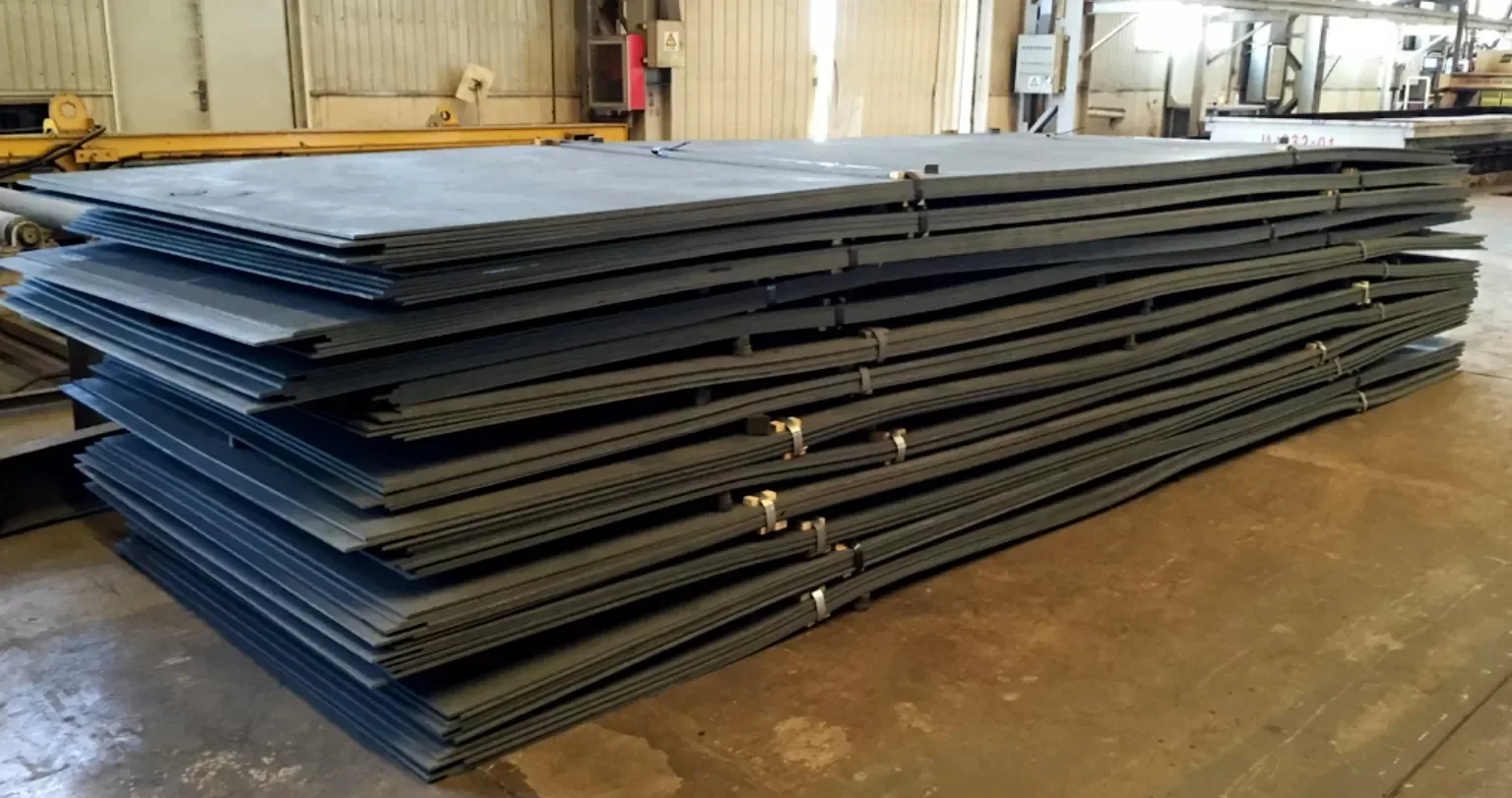
In industrial engineering, some materials don’t get much attention—but they quietly power critical infrastructure. IS 2041 R260 plates fall into that category.
Used extensively in boilers, pressure vessels, and heat-related applications, this grade is defined not by marketing claims but by compliance with a well-established Indian standard. If you’re working in fabrication, energy, or process industries, understanding this material is less about theory and more about reliability under pressure—literally.
What is IS 2041 R260 Plate?
IS 2041 is an Indian Standard specification that covers steel plates intended for boilers and pressure vessels. Within this standard, R260 refers to a specific grade characterized primarily by its minimum tensile strength requirement.
In simple terms:
- “IS 2041” → The governing Indian standard
- “R260” → Indicates a minimum tensile strength of approximately 260 MPa
These plates are typically supplied in the as-rolled or normalized condition, depending on thickness and application requirements.
Why IS 2041 Matters in Industry
Standards like IS 2041 exist to ensure that steel used in critical applications meets predictable mechanical and chemical properties.
For boiler and pressure vessel applications, this is essential because materials must:
- Withstand internal pressure
- Perform under elevated temperatures
- Maintain structural integrity over long service periods
IS 2041 provides a framework that defines:
- Chemical composition limits
- Mechanical property requirements
- Testing and inspection criteria
This ensures consistency across manufacturers and suppliers.
Key Mechanical Properties of R260 Grade
While exact values can vary slightly based on thickness and processing, R260 plates are defined by:
- Minimum tensile strength: ~260 MPa
- Good ductility for forming and fabrication
- Adequate yield strength for pressure-bearing applications
These properties make the material suitable for moderate pressure and temperature conditions, rather than extreme service environments.
Chemical Composition: Built for Balance
IS 2041 R260 is a carbon steel grade, typically containing:
- Carbon (for strength)
- Manganese (for toughness and hardenability)
- Silicon (for deoxidation)
- Controlled levels of sulfur and phosphorus
The composition is carefully balanced to provide:
- Strength without excessive brittleness
- Good weldability
- Reliable performance under thermal stress
Manufacturing and Supply Condition
R260 plates are usually produced through conventional steelmaking and rolling processes, followed by:
- Hot rolling
- Optional normalizing heat treatment (to refine grain structure and improve toughness)
Normalized plates are often preferred in pressure applications because they offer:
- More uniform mechanical properties
- Improved toughness
- Better performance under fluctuating loads
Typical Applications of IS 2041 R260 Plates
This grade is widely used in industries where pressure and heat are part of daily operation.
Boilers
One of the primary applications. These plates are used in:
- Boiler shells
- Drums
- Structural components
Pressure Vessels
Used in:
- Storage vessels
- Process tanks
- Industrial reactors (non-extreme conditions)
Heat Exchangers
Suitable for systems operating under:
- Moderate temperature ranges
- Controlled pressure conditions
Oil, Gas, and Process Industries
Used for:
- Fabricated equipment
- Structural components in processing units
Fabrication and Weldability
One of the strengths of IS 2041 R260 is its good weldability, which is critical for industrial fabrication.
It supports:
- Conventional welding processes
- Forming and shaping without excessive cracking risk
However, as with all carbon steels, proper welding practices are essential:
- Controlled preheating (depending on thickness)
- Post-weld heat treatment when required
- Avoidance of high residual stress
Comparison with International Standards
In global projects, IS 2041 R260 is often compared with similar boiler plate standards such as:
- ASTM A516 (pressure vessel steel)
- EN 10028 grades (European pressure vessel steels)
While not identical, these standards serve similar purposes—ensuring steel plates can safely operate under pressure and temperature.
Material selection in such cases depends on:
- Project location
- Regulatory requirements
- Design specifications
Limitations to Keep in Mind
IS 2041 R260 is a reliable grade—but it is not designed for every environment.
It may not be suitable for:
- Very high-temperature or high-pressure systems
- Highly corrosive chemical environments
- Applications requiring advanced alloy steels
In such cases, higher-grade or alloyed materials are typically specified.
Final Thoughts
IS 2041 R260 plates are a reminder that engineering reliability often comes from standardization, not complexity.
They offer:
- Predictable mechanical performance
- Good fabrication characteristics
- Compliance with a recognized national standard
For boiler and pressure vessel applications operating under moderate conditions, they remain a practical and widely trusted choice.
In the end, materials like R260 don’t stand out because they’re exceptional—they stand out because they’re dependable where it matters most.