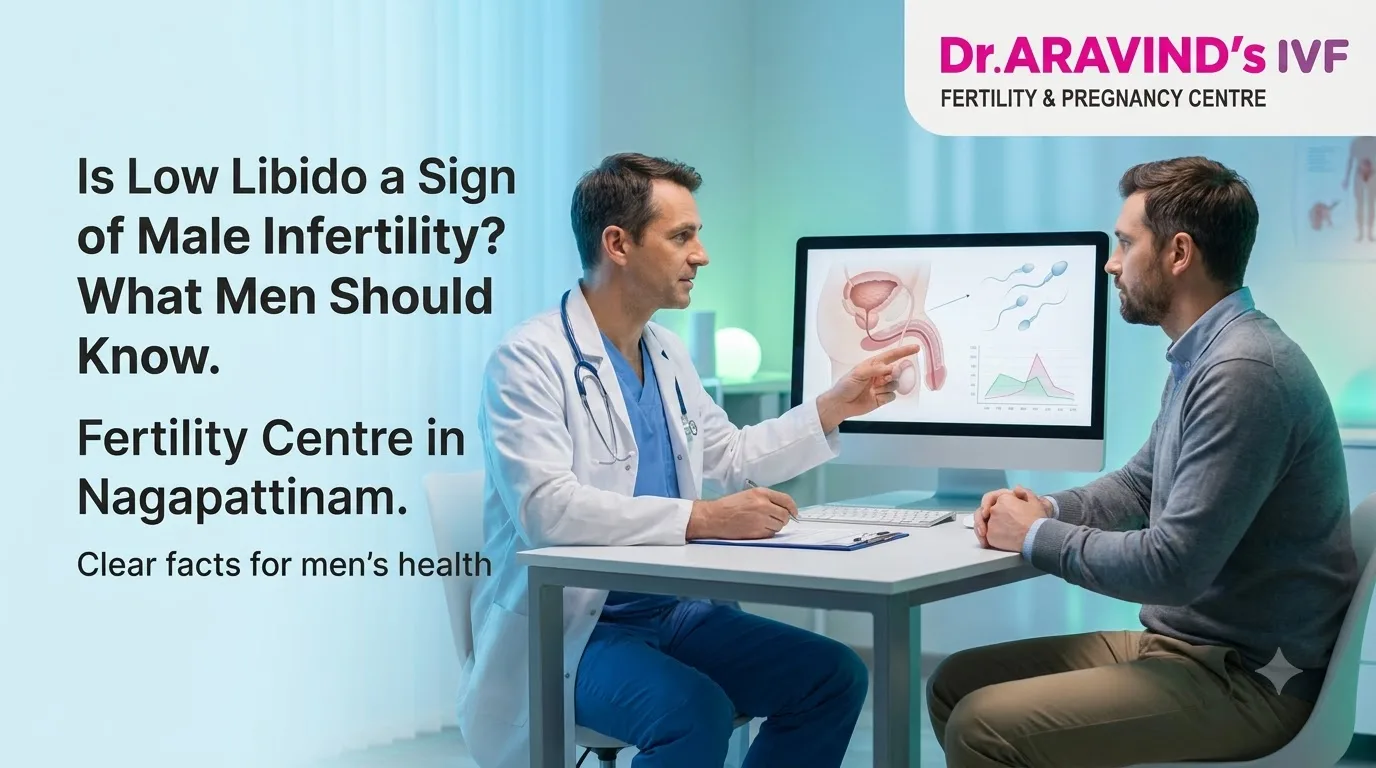
Low libido and male infertility often raise the same question: are they connected? The answer is nuanced—sometimes yes, sometimes no. While low sexual desire doesn't automatically mean fertility problems, the two can share underlying causes that warrant medical evaluation.
Understanding this relationship helps men recognize when to seek help. If you're concerned about fertility or sexual health, consulting a trusted clinic such as a fertility centre in Nagapattinam can provide comprehensive evaluation and personalized care.
The connection between libido and fertility
Low libido refers to reduced sexual desire or interest in sexual activity. Male fertility depends on sperm production, quality, and delivery. These are separate physiological processes, though they can overlap in certain situations.
Key point: A man with normal libido can have infertility issues, and a man with low libido can have perfectly normal sperm parameters.
Research consistently shows that sexual drive doesn't directly correlate with sperm count or quality. Many men with high libido have low sperm counts, while others with low libido have normal fertility. However, when both issues coexist, they often share common underlying causes.
When low libido IS a sign of male infertility
Low libido can signal male infertility signs when both stem from the same root cause:
Hormonal imbalances
Low testosterone (hypogonadism): This is the clearest connection. Testosterone drives both sexual desire and sperm production. When levels are low, men experience:
- Reduced libido
- Erectile dysfunction
- Fatigue and low energy
- Decreased muscle mass
- Infertility or difficulty conceiving
Elevated prolactin (hyperprolactinemia): High prolactin suppresses GnRH, reducing LH, FSH, and testosterone. This causes:
- Low libido
- Erectile dysfunction
- Infertility
- Possible gynecomastia (breast enlargement)
Thyroid disorders: Both hyperthyroidism and hypothyroidism can affect libido and potentially impact fertility through hormonal disruption.
Psychological factors
Chronic stress: Elevates cortisol, which suppresses testosterone and the HPG axis, reducing both libido and sperm production.
Depression: Can reduce sexual desire and may be associated with lifestyle factors (poor sleep, diet, exercise) that impact fertility.
Relationship issues: Conflict or emotional distance can lower libido and reduce conception opportunities, though this doesn't necessarily indicate biological infertility.
Medical conditions and medications
Chronic illnesses: Diabetes, obesity, cardiovascular disease, and kidney disease can affect both libido and fertility.
Medications: Antidepressants (especially SSRIs), blood pressure medications, opioids, and anti-androgens can reduce libido. Some may also affect sperm parameters.
Lifestyle factors: Smoking, excessive alcohol, poor diet, obesity, and lack of exercise can impact both sexual desire and reproductive health.
When low libido is NOT a sign of infertility
Many men with low libido have normal fertility. Common scenarios include:
Relationship-specific low libido: Sexual desire may be low with one partner but normal in other contexts. This doesn't indicate biological infertility.
Situational factors: Stress, fatigue, or temporary life circumstances can reduce libido without affecting sperm production.
Psychological causes: Anxiety, depression, or past trauma can suppress sexual desire while sperm production remains normal.
Medication side effects: Some drugs reduce libido without impacting fertility (though this should still be discussed with a doctor).
Age-related changes: Libido naturally declines with age, but many older men maintain normal fertility.
As experts note, there's no direct connection between a man's sexual drive and sperm count. A man with high libido may have low sperm count, and vice versa.
Why the distinction matters for treatment
Understanding whether low libido and fertility issues are connected affects treatment approach:
If connected (shared underlying cause):
- Treating the root cause (e.g., low testosterone, thyroid disorder, depression) may improve both libido and fertility
- Hormone replacement or medication adjustment can address both concerns simultaneously
- Lifestyle changes (weight loss, stress management, exercise) benefit both
If NOT connected:
- Low libido may require separate evaluation and treatment (counseling, lifestyle changes, medication adjustment)
- Fertility issues need targeted male infertility treatment regardless of libido status
- Assuming they're linked can delay appropriate diagnosis and treatment
For men experiencing male infertility signs, working with specialists at a fertility centre in Nagapattinam ensures comprehensive evaluation of both sexual health and fertility. Many men find that evaluation at a best ivf centre in India provides clarity about whether libido and fertility issues are connected and what treatment approach is most appropriate.
When to seek professional help
Consider consultation with a fertility specialist if you experience:
- Persistent low libido lasting more than a few weeks
- Difficulty conceiving after 12 months of regular unprotected intercourse (6 months if partner is >35)
- Low libido accompanied by other symptoms (fatigue, mood changes, erectile dysfunction, reduced muscle mass)
- Concerns about fertility or sexual health
- Known risk factors (prior cancer treatment, testicular injury, hormonal disorders, obesity)
A comprehensive evaluation typically includes:
- Detailed medical and sexual history
- Physical examination
- Semen analysis (at least two samples)
- Hormone testing (testosterone, LH, FSH, prolactin, thyroid)
- Additional tests as indicated
For comprehensive male infertility evaluation and treatment, a fertility centre in Nagapattinam offers specialized testing, hormonal evaluation, and coordinated fertility care. Many men seeking answers about low libido and fertility find that early evaluation at a best ivf centre in India provides clarity, effective treatment options, and significantly improved outcomes.
Learn more about male infertility treatments in India.
What you should remember
Low libido and male fertility are not always connected. Many men with low sexual desire have normal fertility, while others with high libido face infertility challenges. The key is identifying whether they share an underlying cause or represent separate issues requiring different approaches.
When low libido and infertility coexist due to hormonal imbalances, chronic illness, or lifestyle factors, treating the root cause can improve both. When they're separate issues, each requires targeted evaluation and treatment.
Don't assume low libido means infertility—or vice versa. Proper evaluation by a qualified specialist helps identify the actual causes and develop an effective treatment plan tailored to your specific situation.
Frequently asked questions
Q1: Can I have low libido but normal fertility?
Yes, absolutely. Low libido doesn't automatically mean fertility problems. Many men with reduced sexual desire have normal sperm count, motility, and morphology. Fertility depends on sperm production and delivery, not sexual desire levels. Only semen analysis and fertility testing can determine actual fertility status.
Q2: Does high libido mean I'm fertile?
Not necessarily. Sexual drive doesn't correlate with sperm quality or count. Men with high libido can have low sperm counts, blockages, or other fertility issues. Many men with normal or high sexual desire discover infertility only after struggling to conceive for months. Don't assume fertility based on libido alone.
Q3: Will treating low libido improve my fertility?
It depends on the cause. If low libido and fertility issues share an underlying cause (like low testosterone, elevated prolactin, or thyroid disorder), treating that cause may improve both. If they're separate issues, treating libido won't directly affect fertility, though it may increase conception opportunities through more frequent intercourse.
Q4: What tests should I get if I have low libido and fertility concerns?
A comprehensive evaluation may include: semen analysis (at least two samples), hormone testing (testosterone, FSH, LH, thyroid, prolactin), physical examination, medical history review, and possibly genetic testing. Your doctor will tailor testing based on your specific symptoms, risk factors, and history.
Q5: Can lifestyle changes improve both libido and fertility?
Yes. Regular exercise (especially strength training), healthy diet (rich in antioxidants, zinc, selenium), adequate sleep (7-9 hours/night), stress management (meditation, therapy), limiting alcohol, quitting smoking, and maintaining healthy weight can positively impact both sexual desire and reproductive health. However, medical causes may require specific treatment beyond lifestyle modifications.
Read more
Learn more about male infertility treatments in India.
CTA title
Concerned about libido or fertility?
If you're experiencing low libido or fertility concerns, consult a fertility centre in Nagapattinam for expert, personalized male infertility treatment and care.