
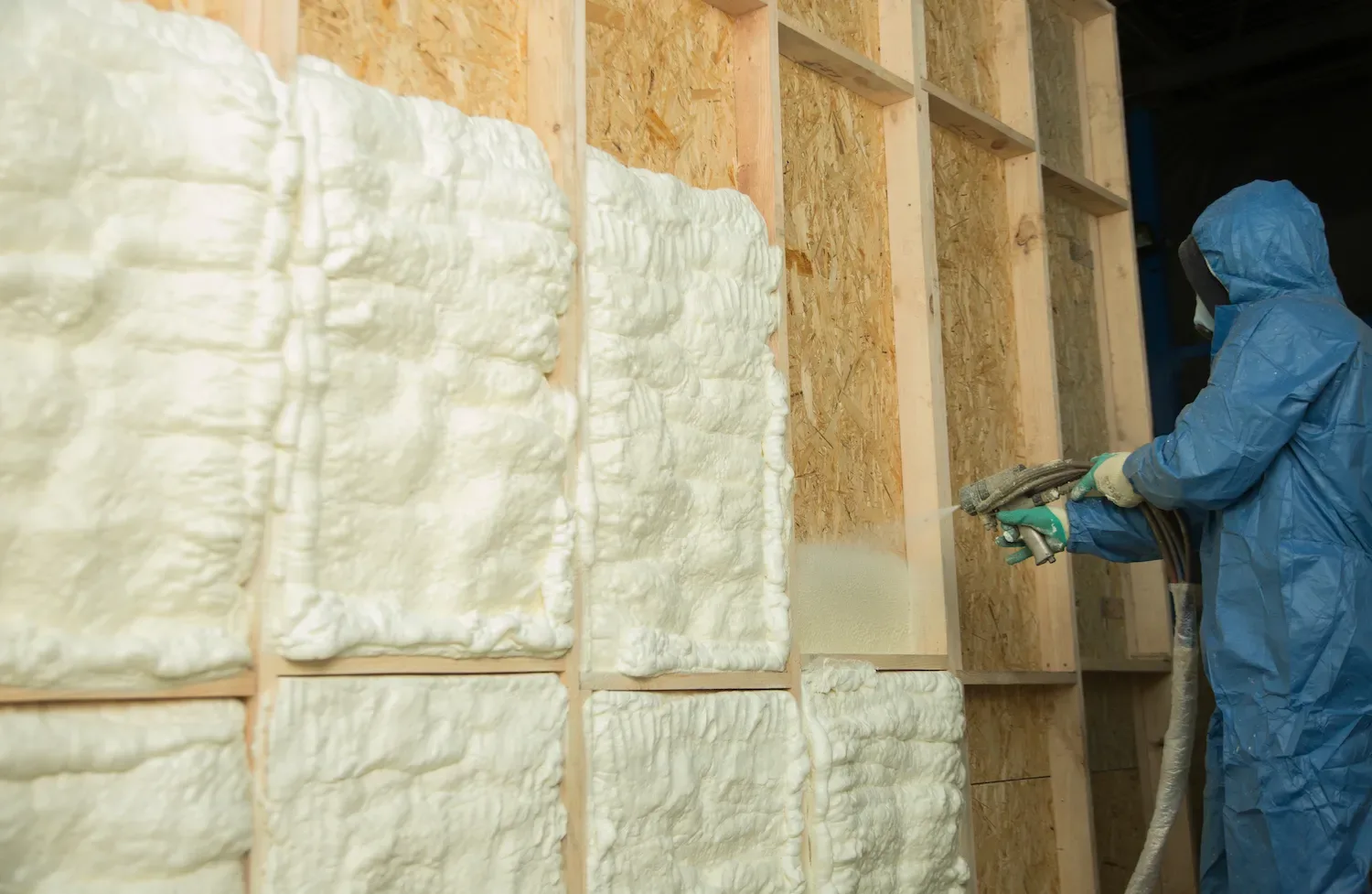
Yes, spray foam insulation is safe once the curing process is complete. After the liquid components mix and harden into a solid structure, the material becomes inert and stable. This means it no longer releases chemicals into a living space, provided a professional installed it correctly.
Spray foam insulation safety after curing remains a top priority for homeowners looking to improve energy efficiency. When the foam dries, it creates a permanent seal that blocks air leaks and prevents outdoor pollutants from entering rooms. This process typically takes between 24 and 48 hours, depending on the product and environmental conditions.
The following information comes from field experience in the building science industry. These facts help explain how the material behaves in an attic, walls, or crawl space. This guide covers chemical stability and the long-term impact on a home environment.
How the Curing Process Ensures Your Safety
When an insulation contractor applies spray foam, a chemical reaction occurs between two main ingredients, typically referred to as “Side A” and “Side B.” As they hit the surface, they expand and generate heat. This heat indicates that the chemicals are bonding to form a solid plastic.
Once this reaction finishes, the foam is “cured.” A cured product does not continue to react or change its chemical makeup. Spray foam insulation safety after curing depends on the balance of these two sides during the initial application. When the mix is correct, the result is a stable barrier that stays in place for decades. Professional Spray foam insulation services help ensure the materials are properly mixed, applied, and cured according to manufacturer guidelines.
Residents should stay out of the house during the initial 24-hour window to allow odors or temporary gases to clear out completely. After this period, properly cured foam is generally considered stable and safe for normal residential use.
Understanding Indoor Air Quality, Insulation and Health Benefits
While people often worry about chemicals, poor air sealing is often a larger health risk. Traditional materials often allow dust, pollen, and mold spores to drift through gaps in a house frame. Indoor air quality insulation, like spray foam protects occupants from these outdoor irritants.
By creating an airtight seal, homeowners prevent the "stack effect," which occurs when air from a crawl space is pulled up into living areas. This makes spray foam health safety a strong selling point. It keeps the air cleaner than fiberglass or cellulose alternatives.
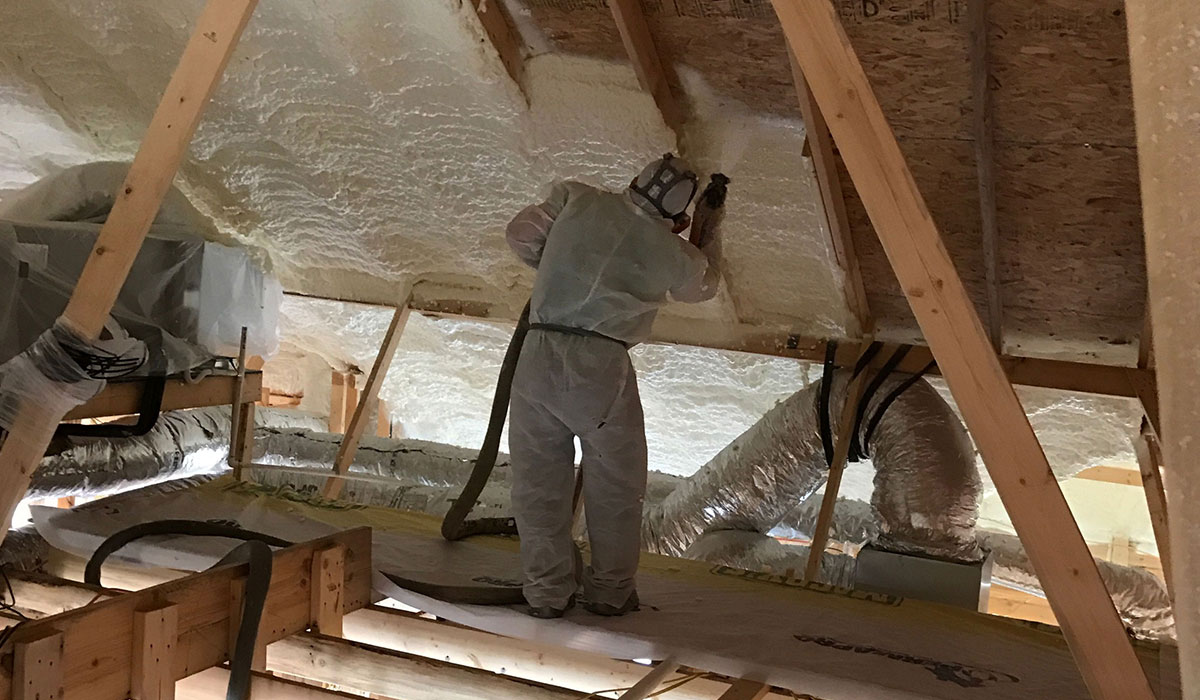
Market data shows that homes with high-performance air seals can see a 20% reduction in respiratory irritation. Because the foam does not shed fibers or provide a food source for pests, it serves as a clean solution for a healthier home. The specific safety and performance benefits also depend on selecting the right type of foam for the environment.
Technical Differences in Cured Materials
Homeowners might choose between open-cell or closed cell foam depending on specific needs. Both options are safe after they dry, but they have different physical properties. Closed-cell foam is much denser and acts as a water barrier, while open-cell foam is lighter and better at absorbing sound.
The following table outlines the safety and performance characteristics of these materials once they reach their final state:
FeatureOpen Cell FoamClosed Cell FoamCure Time24 Hours24 - 48 HoursPhysical StateSoft, sponge-likeHard, rigid plasticSafety StatusInert after curingInert after curingAir SealingExcellentSuperiorMoisture ResistancePermeableWaterproof
Bonus Tip: For those in coastal areas with high humidity, closed-cell foam is often the better choice for insulation safety. It prevents salt-heavy moisture from reaching wooden studs.
Why Professional Installation Matters for Safety
While the finished product is safe, the path to getting there requires precision. Professionals use specialized equipment to monitor the temperature and pressure of the chemicals, ensuring the mixture remains consistent throughout the job.
If the chemicals are not mixed at the right ratio, the foam might not cure properly. This is why hiring a qualified insulation contractor is a requirement. They have the training to recognize when environmental conditions, such as high humidity or cold temperatures, might interfere with the drying process.
Market studies indicate that over 90% of issues related to spray foam are caused by improper installation rather than the product itself. When done right, the foam creates a stable environment that lasts for the life of the building without sagging or losing its shape.
Is There a Permanent Odor After Spray Foam Is Installed?
Managing the Off-Gassing Phase and Potential Odors
A common question involves the "new foam" smell that occurs during installation. This is a normal part of the process, similar to the smell of fresh paint. For residential insulation services, companies use high-powered fans to pull this air out of the house while the foam sets.
Once the foam is fully dry, any lingering scent should disappear. If a smell persists for more than a few days, it could indicate that the foam did not cure correctly. However, this is rare when using modern, low-VOC (volatile organic compound) formulas.
Today's spray foam products are designed to be more environmentally friendly than those used decades ago. Manufacturers have moved away from older blowing agents, focusing on water-blown or low-GWP (Global Warming Potential) options. This shift has made spray foam insulation safety after curing even more reliable.
Things to Check Before Hiring an Insulation Specialist
Before deciding on a service provider, homeowners should look for indicators of quality and safety. A professional company will be transparent about their process and the products they use. Here are a few points to keep in mind:
- Ask if the crew uses calibrated proportioners to ensure the chemical mix is exact.
- Verify that the team provides a clear timeline for when it is safe to re-enter the home.
- Check if they offer both open cell and closed cell options to suit different parts of the house.
- Inquire about their ventilation plan during the application and curing stages.
Long-Term Stability and Durability
Once the material is in place, it does not break down or revert to a liquid. It is a permanent addition to a home structure. This stability is why it is frequently used in residential insulation services for high-end custom builds, adding structural strength to the walls.
Because it is inert, it does not react with copper wiring, PVC piping, or wooden framing. Homeowners do not have to worry about the material corroding internal systems. This makes it a reliable solution for those who want to lower utility bills without constant maintenance.
Data from the construction industry suggests that spray foam can increase the racking strength of a wall by up to 300%. This durability provides an extra layer of protection during high winds or storms, protecting both the family and the property.
Improving Home Value with High-Performance Sealing
Energy efficiency is a major factor in modern real estate. Buyers look for homes that are easy to heat and cool. Because spray foam insulation safety after curing is well-documented, having this material in an attic can increase the resale value of a property.
It shows that the home has been maintained with modern standards. It also proves that the indoor environment is shielded from outdoor pollutants and pests. Mice and insects find it much harder to move through cured foam than they do through loose-fill fiberglass.
Bonus Tip: Keep the documentation from the insulation contractor. Showing a future buyer the warranty and the specific product used can provide peace of mind regarding the safety and quality of the installation.
How to Get the Best Results for Your Local Climate
In regions like North Carolina, homeowners deal with both high heat and significant humidity. This makes the choice of insulation even more important. In these climates, the ability of spray foam to stop humid air from entering the attic prevents wood rot and mold growth in the roof deck.
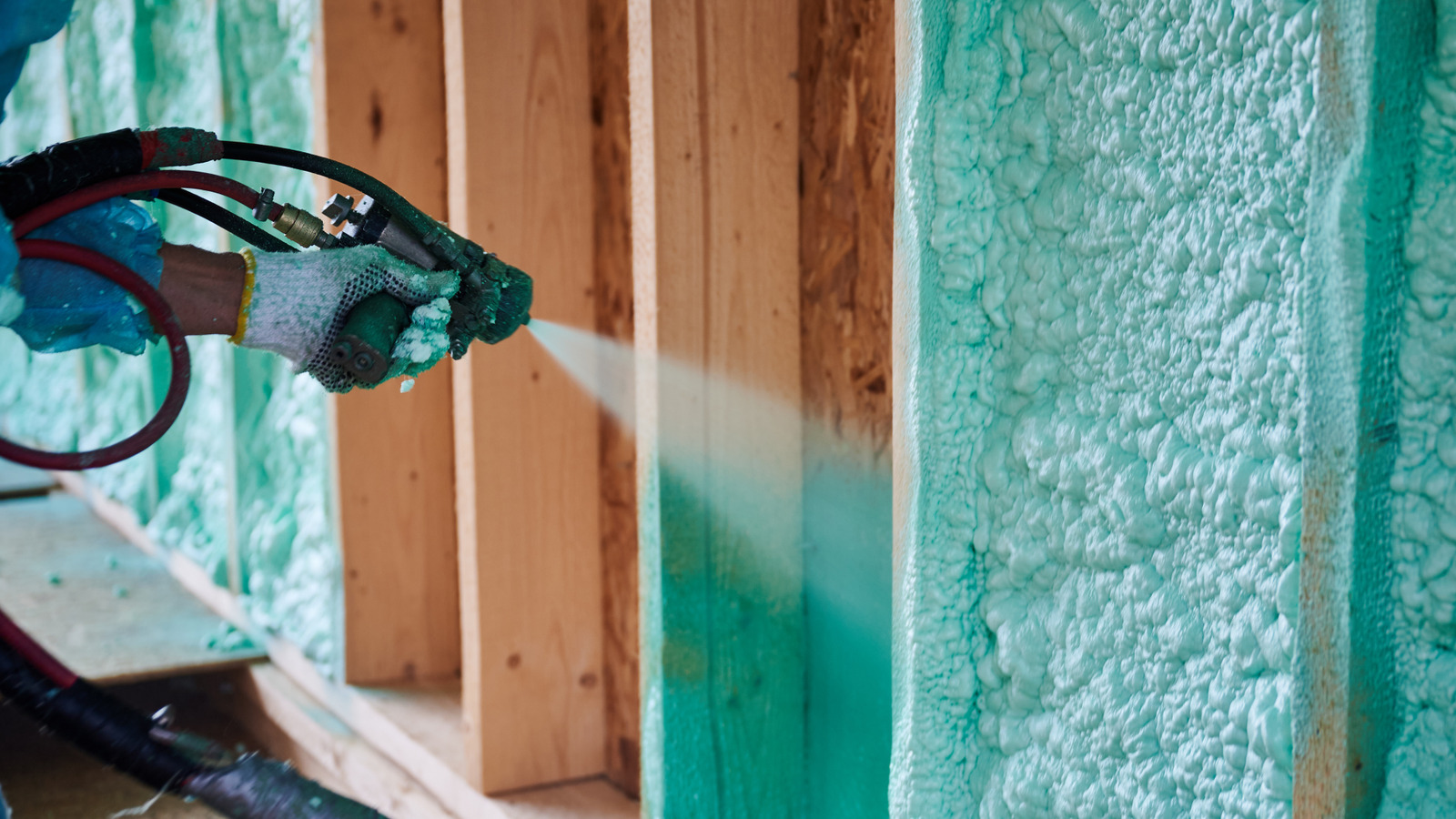
Cured foam acts as a thermal break, stopping the sun's heat from radiating through the roof and into the living space. This keeps the air conditioner from working too hard, which extends the life of the HVAC system. When the material is dry and stable, it works to maintain a consistent temperature throughout the home.
Ensuring a Safe and Efficient Installation for Your Family
To upgrade home comfort, getting a professional assessment is a logical first step. Residents can reach out to Raleigh Excel Spray Foam Insulation for guidance on which products are right for a specific layout. They offer a wide range of options, including Attic Insulation, Wall Insulation, and Foundation Insulation.
For those interested in technical details or looking for a quote, they can be reached at (919) 301-9435 or via email at [email protected]. Their team provides residential and commercial spray foam insulation services throughout the region. Consulting with an expert ensures that spray foam insulation safety after curing meets industry standards.
Summary of Key Safety Facts
Spray foam is an effective, safe, and durable choice for modern homes. Once it dries, it becomes a solid part of the house that does not move, off-gas, or degrade. By choosing a qualified team and allowing for the proper 24-hour curing window, families can enjoy a more comfortable, energy-efficient, and healthy living environment. The material provides a permanent air seal that traditional options cannot match, making it a smart investment for the long-term health of a property.
Common Questions About Spray Foam Safety
How long should I stay out of the house after the foam is applied?
Occupants should generally stay out of the home for 24 hours. This gives the material enough time to fully react and for the ventilation systems to clear out any temporary odors from the application process.
Does cured spray foam attract pests or rodents?
No, cured spray foam is not a food source for insects or rodents. Because it creates a hard, airtight seal, it makes it much more difficult for pests to get into a home than traditional insulation.
Can spray foam cause moisture problems in my attic?
When installed correctly by an insulation contractor, spray foam prevents moisture problems by stopping warm, humid air from condensing on cold surfaces. Closed-cell foam also acts as a vapor barrier in specific applications.
Is the dust from cutting cured foam dangerous?
While the cured foam itself is inert, the dust from sawing or trimming it can be an irritant. Professionals wear masks when trimming foam, and the area should be cleaned after the job is finished.
Will the foam lose its safety properties over time?
No, the chemical structure of cured spray foam is stable. It does not break down or release chemicals as it ages, meaning spray foam insulation safety after curing remains constant for the life of the building.