
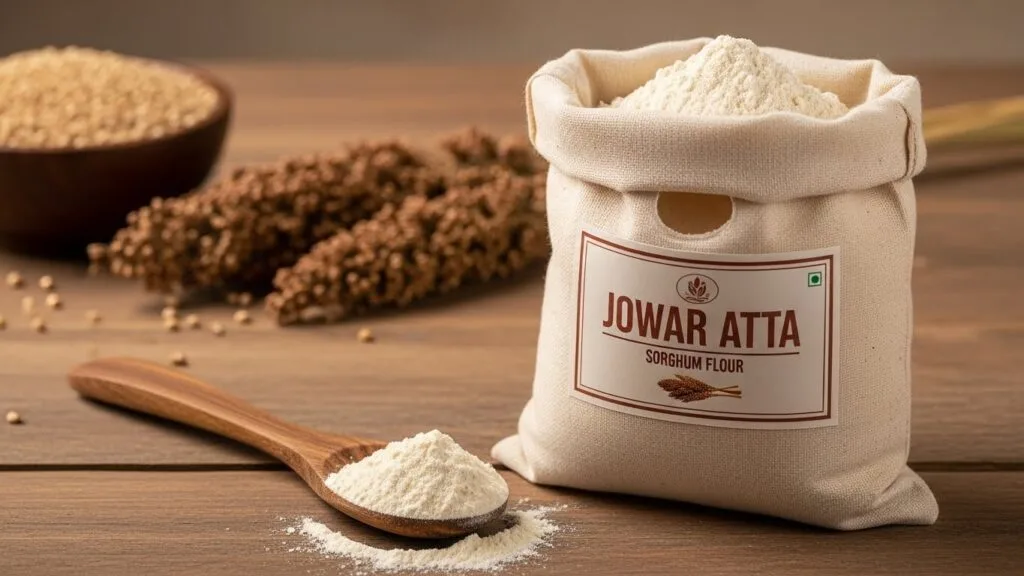
Walk into almost any Indian kitchen a generation or two ago, and you would find a tin of jowar atta sitting right next to the wheat flour. Long before "gluten-free" became a trending hashtag, our grandparents were rolling out soft jowar rotis and crisp bhakris simply because that is what the land grew and what the body needed. Today, jowar atta is making a well-deserved comeback, not as a fad, but as a genuinely nutritious, naturally gluten-free flour that fits modern lifestyles just as well as it fit traditional ones.
In this guide, we will break down what jowar atta actually is, why it is so good for you, how it compares nutritionally to other flours, and how to use it in your everyday cooking without ending up with rotis that crack and crumble.
What Is Jowar Atta?
Jowar atta is flour made by grinding jowar, also known as sorghum, one of the oldest cultivated cereal grains in the world. It has been a staple across large parts of India, especially Maharashtra, Karnataka, and Telangana, for centuries. Unlike wheat, jowar belongs to the millet family and carries a very different nutritional profile, one that is lower in gluten-forming proteins and higher in fibre and minerals.
The way jowar atta is milled matters a great deal. Traditional stone-milling, done at low speed without generating excess heat, preserves the fibre, minerals, and natural aroma of the grain. Modern high-speed milling, on the other hand, often strips away nutrients and leaves the flour tasting flat. If you are buying jowar atta, freshness and the milling method are worth checking before you check anything else.
Is Jowar Atta Gluten Free?
Yes, jowar atta is completely and naturally gluten free. Sorghum does not contain gluten, the protein found in wheat, barley, and rye that gives dough its stretch and elasticity. This makes jowar atta a genuinely safe option for people with celiac disease or gluten sensitivity, provided it is milled and packaged in a facility that avoids cross-contamination with gluten-containing grains.
Because it lacks gluten, jowar dough behaves differently. It does not stretch the way wheat dough does, which is why rolling out a perfect jowar roti takes a slightly different technique, more on that further down.
Jowar Atta Nutrition: What's Actually in It
Nutrition is where jowar atta really earns its reputation. Here is what you typically get per 100 grams of good quality jowar atta:
NutrientApproximate Value (per 100g)Dietary Fibre6–7 gProtein10–11 gKey MineralsIron, ManganeseGlycemic IndexLowGlutenNoneDietary fibre: With roughly 7g of fibre per 100g, jowar atta supports regular digestion and helps you feel fuller for longer, which is one reason it is often recommended for weight management.
Protein: At around 11g per 100g, jowar atta offers noticeably more protein than refined wheat flour, making it a useful addition to a plant-based or vegetarian diet.
Minerals: Jowar is a good source of iron and manganese, both of which play a role in energy metabolism and, in the case of iron, oxygen transport in the blood.
Low glycemic index: Jowar atta releases glucose into the bloodstream slowly rather than causing sharp spikes, which is why it is frequently recommended for people managing blood sugar.
Health Benefits of Jowar Atta
1. Supports Digestive Health
The fibre content in jowar atta acts as a prebiotic, feeding the good bacteria in your gut and helping keep digestion regular. If you are new to millet flours, it is best to introduce jowar gradually rather than switching overnight, since a sudden increase in fibre can cause bloating.
2. A Sensible Choice for Blood Sugar Management
Because jowar atta has a low glycemic index, it causes a slower, steadier rise in blood sugar compared to refined wheat flour. This makes it a popular choice among people who are mindful of their sugar intake, though anyone managing diabetes should still consult their doctor for personalised dietary advice.
3. Naturally Suitable for Gluten Intolerance
For anyone with celiac disease or a gluten sensitivity, jowar atta offers a way to enjoy roti, bhakri, and paratha without the discomfort that wheat can cause.
4. Supports Weight Management
The combination of fibre and protein in jowar atta keeps you satiated for longer, which can naturally reduce overeating and unnecessary snacking between meals.
5. Good for Heart Health
Jowar contains compounds that may help manage cholesterol levels, and its low-fat, high-fibre profile fits well within a heart-healthy diet.
6. A Useful Source of Iron
Iron deficiency is common, particularly among women in India. Including iron-rich foods like jowar atta in your daily diet, alongside a source of vitamin C to improve absorption, can be a small but meaningful step toward better iron levels.
Jowar Atta vs Wheat Atta: A Quick Comparison
FactorJowar AttaWheat AttaGlutenNonePresentFibreHigherModerateProteinComparable to slightly higherModerateGlycemic IndexLowerHigherTexture of DoughLess elasticElastic, easy to rollBest ForGluten-sensitive individuals, blood sugar managementGeneral everyday useNeither flour is "better" in an absolute sense, they simply serve different needs. Many households now use a mix of jowar and wheat atta to get the benefits of both.
How to Cook with Jowar Atta
Cooking with jowar atta takes a little practice, mainly because the absence of gluten means the dough does not hold together as easily as wheat dough. Here are a few practical tips:
- Use hot water, not cold. Kneading jowar atta with hot or warm water helps bind the flour better and makes the dough more pliable.
- Rest the dough. Let it sit for 10–15 minutes covered with a damp cloth before rolling.
- Roll gently, using a plastic sheet. Since jowar dough tends to break, rolling it between two sheets of plastic or parchment paper makes the process much easier.
- Start with a blend. If you are new to jowar, mixing it 50:50 with wheat atta, or starting at a 25–30% ratio, is an easier way to build up a taste and tolerance for it before switching entirely.
- Cook on a hot tawa. A well-heated tawa helps the roti puff up and cook evenly without turning brittle.
Beyond rotis and bhakris, jowar atta also works well in parathas, cheelas, khichdi-style porridge, and even in baked snacks when combined with a binding agent like curd or mashed banana.
Who Should Include Jowar Atta in Their Diet?
Jowar atta is a good fit for:
- People with celiac disease or gluten intolerance
- Individuals managing diabetes or prediabetes, under medical guidance
- Anyone looking to increase daily fibre intake
- Those managing weight through better satiety
- People wanting a more diverse, mineral-rich diet beyond wheat and rice
That said, if you have any specific health condition, it is always a good idea to check with a doctor or nutritionist before making major dietary changes.
How to Store Jowar Atta
Since good quality jowar atta is milled without preservatives, storage matters. Keep it in an airtight container, away from direct sunlight and moisture, and try to use it within a few weeks of purchase for the best flavour and nutrition. Buying smaller quantities more frequently, rather than stocking up in bulk, is usually a smarter approach for millet flours.
Frequently Asked Questions About Jowar Atta
Is jowar atta good for daily consumption? Yes, jowar atta can be eaten daily. It is light, fibre-rich, and nutritionally dense. If you are new to it, ease in gradually by mixing it with wheat atta.
Does jowar atta help with weight loss? Its high fibre and protein content can support satiety, which may help with weight management as part of a balanced diet and active lifestyle.
Can diabetics eat jowar roti? Jowar's low glycemic index makes it a sensible choice for blood sugar management, though individual dietary needs should always be discussed with a healthcare provider.
Why does my jowar roti break while rolling? This happens because jowar atta lacks gluten, which normally gives dough its elasticity. Using hot water, resting the dough, and rolling it between plastic sheets solves this in most cases.
What is the difference between jowar and bajra atta? Both are gluten-free millets, but jowar is generally milder in taste and slightly easier to work with, while bajra has a stronger flavour and is often preferred in colder months.
Final Thoughts
Jowar atta is not a trend, it is a return to a grain that has quietly supported Indian diets for generations. With its impressive fibre and protein content, naturally gluten-free composition, and low glycemic index, it fits comfortably into modern health-conscious eating without asking you to give up the comfort of a warm roti at the end of the day. Whether you are managing a health condition or simply looking to diversify your diet, jowar atta is one of those simple, honest ingredients worth keeping in your kitchen.