If you're importing medicines into Kenya, understanding the Pharmacy and Poisons Board (PPB) is non-negotiable. I've watched importers stumble because they underestimated how thorough Kenya's regulatory system is. But here's the good news: it's manageable once you understand the rules.
Kenya's pharmaceutical market is growing fast. The country is a major hub for East Africa. Demand for quality medicines is climbing. But the regulatory environment is strict. Get it right from the start, and you're positioned for success. Cut corners, and you'll face serious complications.
Let me walk you through what you need to know.
The PPB: Kenya's Regulatory Gatekeeper
Everything in Kenya's pharmaceutical world goes back to one organization: the Pharmacy and Poisons Board (PPB). They're the authority. They make the rules. They enforce them.
The PPB operates under the Pharmacy and Poisons Act. They control medicine registration. They monitor product quality. They ensure safety. They're not flexible about these responsibilities.
Here's what I've noticed: importers often underestimate the PPB. They think it's just paperwork. But the PPB is thorough. They conduct real inspections. They review every detail. They check quality seriously.
The PPB has expanded their role over the years. They now regulate not just medicines but medical devices too. They work with Kenya's health authorities. They coordinate with international standards bodies. Understanding their power is crucial.
Medicine Registration: Your Essential First Step
You cannot distribute a single tablet without PPB registration. Not one. If your product isn't registered, it's illegal to sell it in Kenya.
Registration is mandatory. It's non-negotiable. And it takes time.
The registration process has several key steps:
Product Information comes first. You need the full technical dossier. This includes the formula, manufacturing details, and quality specifications. The PPB wants everything documented. They want proof your product meets quality standards. They're not interested in shortcuts.
Manufacturing Data must be complete. The PPB reviews how the medicine is made. They verify the manufacturer uses proper procedures. This means your manufacturer must be GMP-compliant. Kenya recognizes WHO-GMP standards. EU-GMP is also acceptable. Your facility must meet one of these standards.
Quality Testing is required. Independent labs must test your product. The PPB doesn't trust just manufacturer testing. They want independent verification. This is non-negotiable. Budget for it.
Clinical and Bioequivalence Data depends on what you're importing. For generic medicines, you need studies showing your generic is equivalent to the original. This is expensive. It takes time. But the PPB requires it.
Safety and Efficacy Information must be documented. You need proof your medicine works. You need evidence it's safe. You need data on side effects. The PPB reviews all of this carefully.
GMP Standards: Not Optional in Kenya
Kenya officially requires GMP compliance. This is a hard requirement. Your manufacturer must meet GMP standards. Full stop.
What does GMP mean in practice? Your manufacturer needs documented systems. They need trained staff. They need proper equipment. Batch records must be kept detailed. Quality control must happen at every stage. It's not an afterthought. It's built into the process.
When vetting manufacturers, GMP certification should be your first checkpoint. If they're not certified, move on immediately. The PPB will catch it. You'll face rejection and delays.
I've seen importers visit manufacturing facilities personally. It sounds like extra work. But it's smart. You're trusting them with your business. You deserve to know how they operate.
Kenya specifically requires manufacturers to understand local climate conditions. Kenya is hot in some areas. Humidity varies by region. Your medicines must be stable under these conditions. This means stability testing is crucial here.
The Dossier: Documentation That Matters
Documentation decides registration. Sloppy paperwork causes delays and rejections.
The Common Technical Dossier (CTD) is the standard format. The PPB expects this format. Don't deviate. Deviations get rejected. You'll have to resubmit.
The CTD covers four main sections:
Administrative Information includes your company details. It covers who manufactures the product. It lists who imports it. It explains the product's composition and strength.
Quality Overall Summary describes the manufacturing process. It covers raw materials used. It explains quality control testing. It details stability data.
Nonclinical Summary covers any lab testing done on the product. It documents any animal studies if applicable.
Clinical Summary provides efficacy data. It documents safety information. It lists clinical trials if available. For generics, bioequivalence studies go here.
The PPB reviews all of this carefully. They ask questions. They request clarifications. Respond promptly. Delays happen when responses are slow.
Translation to English is required. Any foreign language documents must be translated. The PPB only reviews English documentation. Budget for professional translation.
Specific Kenya Requirements
Kenya has some unique requirements you should know about.
Local Representation is required. You need a licensed pharmaceutical importer or distributor in Kenya. They act as your local agent. The PPB communicates through them. They're responsible for local compliance.
Pharmacovigilance is the monitoring of medicine safety. You must report any adverse events. Any side effects must be documented. The PPB tracks this data. You're legally required to report problems.
Pricing Submission is required for certain medicines. Kenya has price controls on some products. The PPB regulates pricing. You may need to submit pricing information. Check current requirements before importing.
Storage and Distribution Requirements must be followed. Medicines must be stored properly. Temperature control matters. Humidity control matters. You must document storage conditions.
Timeline and Costs: Plan Accordingly
Registration typically takes three to six months. But this depends on how complete your submission is. If the PPB requests clarifications, timelines extend. Respond quickly to stay on schedule.
The registration fee varies. Budget between KES 50,000 and KES 200,000 depending on the product type. But add in testing costs, lab fees, and administrative expenses. You're realistically looking at several hundred thousand shillings total.
Many importers work with experienced suppliers. These companies understand Kenya's system. They have relationships with approved labs. They know what the PPB wants. They can guide you through the process faster.
Post-Registration: Ongoing Compliance
Registration isn't the end. It's the beginning of your responsibilities.
Once registered, you must maintain compliance. Your manufacturing partner must stay GMP-certified. You need periodic re-inspections. Kenya typically requires re-certification every two years.
You must report adverse events. Any side effects or problems must be documented. The PPB tracks this. You're legally responsible for reporting.
You must keep quality records. Documentation of batch testing must be maintained. Storage conditions must be verified. Distribution records must be kept.
The PPB conducts surprise inspections. They visit storage facilities. They check product quality. They verify proper procedures are followed. Being prepared is essential.
Pricing must stay current. If you registered with pricing information, price changes may require re-approval. Check current rules before adjusting prices.
Nairobi: The Hub for Pharmaceutical Registration
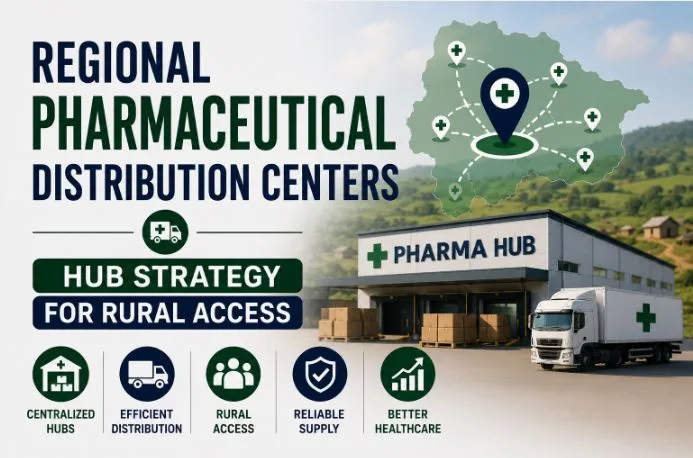
Most pharmaceutical registration happens in Nairobi. The PPB office is based there. Your local representative typically operates from Nairobi. Nairobi is the distribution hub for East Africa.
Understanding Nairobi's pharmaceutical landscape helps. The city has approved testing laboratories. It has experienced importers and distributors. It has regulatory consultants who understand the system.
Port of Mombasa is where imports typically enter. From there, medicines move to Nairobi. Nairobi then distributes to regional markets. Understanding this supply chain is important.
Moving Forward: A Strategic Approach
If you want to import medicines into Kenya, be systematic. First, identify products with genuine market demand. Second, verify your manufacturer is GMP-compliant with Kenyan experience. Third, find a qualified local representative.
Many suppliers understand Kenya's regulations. They know what the PPB requires. They have approved lab relationships. They understand timelines. They can speed up your process significantly.
Resource: To understand what established pharmaceutical exporting to Kenya looks like in practice, examine how experienced exporters structure their operations. For example, reviewing how manufacturers approach Kenyan exports shows the systems and expertise you should seek in a reliable partner.
Kenya's regulatory framework is strict. But it's fair. It's designed to protect people from poor-quality medicines. It's legitimate and thorough. Respect it.
Get this right from the start. You'll build a sustainable business in a growing market. The PPB may seem strict, but they're consistent. Understanding their requirements means you can plan accordingly.
Start your due diligence today. Find suppliers with proven Kenya experience. Connect with local partners who understand the market. You'll be well on your way to successfully importing quality medicines to Kenya.
Kenya is a gateway to East Africa. The market opportunity is real. The regulatory environment is manageable. Take the time to get it right.