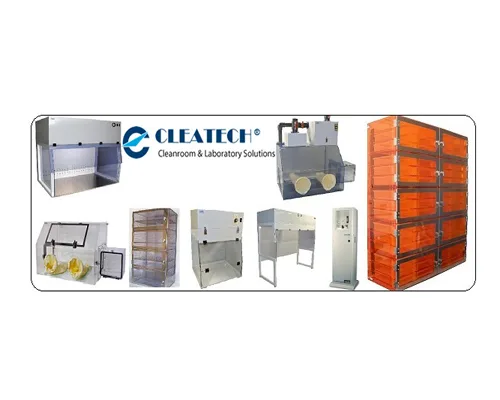
A high-performance Laminar Flow Cabinet gives you a controlled workspace where clean, filtered air moves continuously across sensitive materials. Whether you work in pharmaceutical preparation, electronics assembly, microbiology, medical research, or another contamination-sensitive environment, the cabinet you choose can directly affect your workflow and product protection.
Choosing the right unit involves more than checking its size or appearance. You need to evaluate filtration, airflow, construction materials, workspace design, noise, maintenance, energy use, and available options. You should also understand what a laminar flow cabinet can and cannot protect. A clean bench is primarily designed to protect your work or product from airborne contamination; it should not be treated as a substitute for a biological safety cabinet when personnel protection is required.
What Is a Laminar Flow Cabinet?
A laminar flow cabinet is an enclosed or partially enclosed workspace designed to provide a clean-air environment for contamination-sensitive tasks. Filtered air is directed through the work area in a controlled, consistent pattern, helping reduce the introduction of airborne particles.
You can find both horizontal and vertical airflow configurations. In a horizontal design, filtered air generally moves from the rear of the cabinet toward the operator. In a vertical configuration, air moves downward from the filter toward the work surface. Your choice should depend on the application, available space, workflow, and the type of material you handle.
For storage applications, specialized laminar airflow cabinets can also maintain a filtered environment around stored cleanroom supplies, wafers, semiconductor devices, or garments.
1. High-Efficiency HEPA or ULPA Filtration
Filtration is one of the most important features you should evaluate. A high-performance cabinet needs a reliable filter and fan-filter module capable of delivering consistently clean air to the working area.
HEPA filtration is commonly used to capture fine airborne particles. Some systems offer ULPA filtration when your application requires an even higher level of particulate control. For example, Cleatech's cabinet specifications include HEPA filtration rated at 99.99% efficiency at 0.3 micrometers, with ULPA upgrades available on selected models.
When comparing cabinets, do not look at filter efficiency alone. You should also consider filter quality, replacement procedures, pressure monitoring, airflow performance, and the availability of replacement components.
2. Consistent and Controlled Airflow
Clean air is useful only when it moves through the cabinet properly. A high-performance cabinet should therefore provide stable airflow across the working zone.
Air velocity, airflow volume, and airflow direction all influence performance. Some Cleatech models, for example, specify an average airflow velocity of approximately 90 feet per minute, while individual cabinet designs can have different airflow capacities.
You should choose airflow specifications according to your application instead of assuming that a higher airflow rate is automatically better. Excessive or poorly controlled airflow can interfere with delicate processes, while insufficient airflow may compromise the intended clean environment.
3. Durable, Cleanable Construction
The cabinet's construction material matters because you need a surface that can withstand routine cleaning and the conditions of your laboratory.
Polypropylene is particularly useful where chemical resistance and easy cleaning are priorities. Stainless steel can also provide a durable, smooth work surface for demanding laboratory environments.
When assessing construction, check:
- Material compatibility with your cleaning agents
- Smooth and accessible surfaces
- Resistance to corrosion
- Seam and joint design
- Work-surface durability
- Ease of routine sanitation
Cleatech's laminar airflow cabinets include polypropylene construction, while selected configurations use stainless-steel shelving or other material combinations.
4. Practical Workspace Dimensions
A cabinet that is too small can restrict your movements and make your work inefficient. One that is unnecessarily large may consume valuable laboratory space and increase operating costs.
Before purchasing, measure the available floor or bench area. Then determine the amount of usable workspace you actually need.
Think about the equipment, containers, samples, instruments, and materials you regularly place inside the cabinet. You should also leave enough room for comfortable handling without overcrowding the airflow path.
Laminar flow cabinets are available in multiple sizes, including compact configurations and larger four-, six-, and eight-foot designs.
5. Well-Designed Shelving and Storage
If you need clean storage rather than a conventional workbench, shelving becomes a critical feature.
Perforated or appropriately designed shelves can help filtered air circulate throughout the storage area. Cleatech's laminar airflow storage cabinets use removable perforated shelves to support air distribution around stored materials.
You should consider whether shelves are adjustable, removable, easy to clean, and strong enough for your intended load. Sliding shelves or trays can also improve accessibility when you need to retrieve materials frequently.
6. Effective Door and Access Design
The access system should protect the clean environment without making routine work difficult.
Depending on your application, you may need clear acrylic, amber acrylic, or static-dissipative PVC doors. Each material offers different practical benefits. Amber acrylic may be useful where light-sensitive materials are involved, while static-dissipative materials can be valuable for applications involving electrostatic-sensitive components.
Consider how often you will access the cabinet, how large your materials are, and whether doors could interfere with your workflow.
7. Filter Monitoring and Maintenance Features
A high-performance cabinet should make maintenance easier rather than leaving you to guess when service is required.
Pressure or filter-monitoring gauges can help you identify changes in filter loading. Cleatech models offer optional gauges designed to monitor filter saturation or pressure differential, helping indicate when filter replacement may be necessary.
You should establish a maintenance schedule covering:
- Pre-filter inspection
- HEPA or ULPA filter monitoring
- Airflow verification
- Surface cleaning
- Fan and motor checks
- Electrical inspections
- Performance certification
Following the manufacturer's maintenance recommendations can help you identify declining performance before it disrupts your work.
8. Low Noise and Energy-Efficient Operation
Your laboratory may use the cabinet for several hours every day, so operating characteristics matter.
Look for a fan-filter system that provides the required airflow without creating unnecessary noise or consuming excessive energy. Some Cleatech configurations specify sound levels around 50–51 dBA under stated operating conditions, along with relatively low-power fan-filter modules.
You should compare noise and power requirements alongside airflow performance. A quieter, efficient cabinet can contribute to a more comfortable and sustainable laboratory workspace.
9. Ergonomic and User-Friendly Controls
You should not have to struggle with the cabinet during routine work. Controls should be straightforward and positioned where you can operate them comfortably.
Look for practical features such as accessible switches, adequate lighting, easy-to-read gauges, and convenient filter access. Built-in LED lighting can improve visibility without requiring you to introduce additional equipment into the work area. Certain Cleatech cabinet models include built-in lighting as part of their configuration.
Good ergonomics can reduce unnecessary movement and help you maintain consistent working practices.
10. Useful Customization Options
Your laboratory may have requirements that a standard configuration cannot fully address. In that case, customization can be valuable.
Depending on the model, available options may include ULPA filter upgrades, casters, leveling mounts, different door materials, stainless-steel components, lighting, and monitoring gauges.
You should identify your must-have features before requesting a quotation. This helps you compare configurations based on actual requirements rather than simply choosing the model with the most options.
11. Cleanroom Compatibility
If your cabinet will operate inside a controlled environment, you should consider how its materials, airflow, construction, and maintenance requirements fit into your cleanroom procedures.
Cleatech offers laminar flow equipment designed for applications requiring controlled clean-air environments, with selected systems intended for ISO 4 and ISO 5 cleanliness conditions.
You should verify the cleanliness classification and performance requirements relevant to your process before purchasing. Your facility's operating procedures and validation requirements should guide the final selection.
12. Application-Specific Protection
Before buying, clearly define what you need the cabinet to protect.
Laminar flow equipment can support applications involving contamination-sensitive materials, electronics, sterile manipulations, pharmaceutical preparations, and other processes where airborne particles can affect the product.
However, you should never assume that a laminar flow cabinet provides the same protection as a biosafety cabinet. If your process involves hazardous biological materials, toxic chemicals, or substances that could expose personnel, select equipment specifically designed for the required protection level.
How to Choose the Right Cabinet
Start by writing down your application requirements. Identify the required cabinet size, airflow direction, cleanliness level, filter type, material compatibility, electrical requirements, noise tolerance, and maintenance expectations.
Then compare models using the same criteria. Instead of focusing only on the purchase price, consider total ownership costs, including filters, maintenance, energy consumption, certification, accessories, and potential downtime.
You can also review the range of laboratory and cleanroom solutions available from CleaTech laboratory equipment to understand the available equipment categories and configurations. Cleatech identifies itself as a supplier of laboratory equipment, cleanroom solutions, and controlled-atmosphere enclosures.
Why the Right Features Matter
A high-performance Laminar Flow Cabinet should work as part of your overall contamination-control strategy. The filter, airflow system, construction, workspace, monitoring features, and maintenance program all contribute to reliable performance.
When you evaluate these features together, you can choose equipment that supports cleaner workflows, easier maintenance, better operator comfort, and consistent laboratory performance.
Do not choose a cabinet simply because it looks suitable or has a competitive price. Match its specifications to your actual process, workspace, cleanliness requirements, and long-term operating needs.
Frequently Asked Questions
1. What is the main purpose of a Laminar Flow Cabinet?
A Laminar Flow Cabinet provides a controlled clean-air workspace that helps protect contamination-sensitive products, samples, or materials from airborne particles. It is primarily designed for product protection rather than personnel protection.
2. Should you choose HEPA or ULPA filtration?
You should choose the filter according to your required cleanliness level and application. HEPA filtration is widely used, while ULPA filtration can provide higher particulate removal efficiency where the process demands it.
3. What is better: horizontal or vertical airflow?
Neither configuration is universally better. Horizontal airflow can suit certain open work processes, while vertical airflow may work better where downward airflow and workspace layout are preferred. Your application, equipment, and available space should determine the choice.
4. How often should you maintain a laminar flow cabinet?
You should follow the manufacturer's maintenance and certification schedule. Routine cleaning, filter monitoring, airflow checks, and periodic performance verification help ensure the cabinet continues operating as intended.
5. Can a laminar flow cabinet protect you from hazardous materials?
No. A laminar flow cabinet is generally designed to protect the work or product from airborne contamination. It should not replace a properly selected biological safety cabinet or other containment equipment when personnel protection is required.
Get the Right Laminar Flow Solution
Your laboratory deserves equipment that matches its actual workflow and contamination-control requirements. If you need help comparing cabinet sizes, filtration options, materials, airflow configurations, or accessories, review CleaTech laboratory solutions and discuss your requirements with its team.
For product specifications, custom requirements, pricing, or technical questions, use the CleaTech contact team to request guidance based on your application.