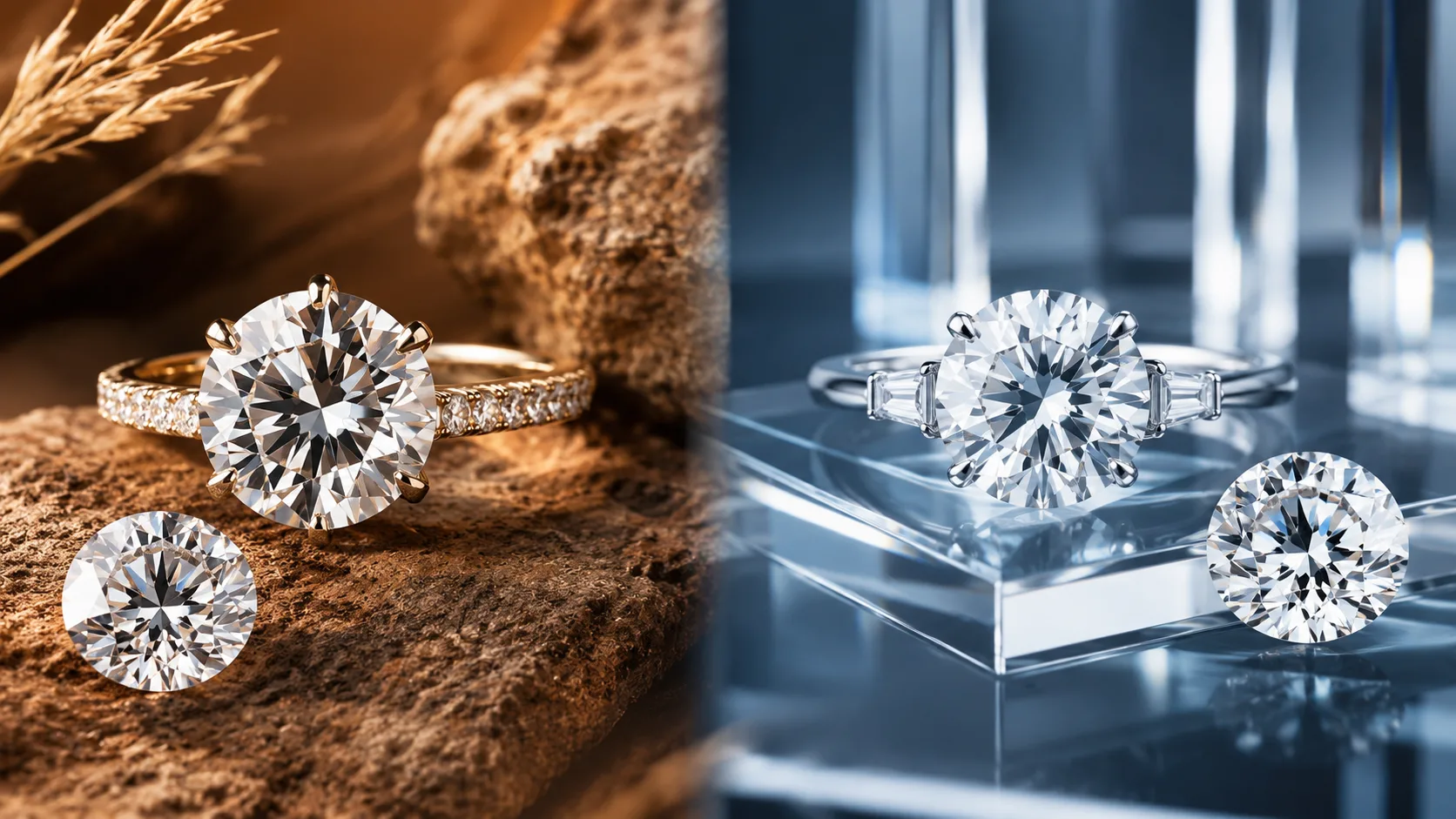
Buying a diamond is not only about choosing something beautiful. It is also about choosing a stone that matches your lifestyle, budget, values and long-term expectations. In 2026, one of the biggest questions for jewellery buyers is whether to choose a lab-grown diamond or a natural diamond.
Both options can look stunning. Both can be used in engagement rings, wedding jewellery, tennis bracelets, necklaces and earrings. However, they are different in origin, price, rarity and buying purpose. Understanding these differences can help you make a more confident decision.
What Is a Natural Diamond?
A natural diamond is formed deep within the earth over millions or even billions of years. It is mined, cut, polished and then used in fine jewellery. Natural diamonds are valued because of their rarity, history and natural origin.
For many buyers, a natural diamond feels special because it is created by nature. Some people also see natural diamonds as heirloom pieces that can be passed down through generations. This emotional and traditional value is one reason natural diamonds remain popular for engagement rings and luxury jewellery.
What Is a Lab-Grown Diamond?
A lab-grown diamond is created in a controlled laboratory environment using advanced technology. It is not mined from the earth, but it has the same diamond structure and sparkle that buyers expect from a real diamond.
Lab-grown diamonds are especially popular among modern buyers because they offer excellent beauty at better value. For the same budget, a buyer may be able to choose a larger stone, better clarity or a more detailed jewellery design compared to many natural diamond options.
This is why lab-grown diamonds have become a strong choice for engagement rings, bridal jewellery and everyday luxury pieces.
Appearance: Can You See the Difference?
To the naked eye, natural and lab-grown diamonds can look almost identical when they are well cut. Both can offer brilliance, fire and sparkle. The beauty of a diamond depends heavily on cut quality, colour, clarity and carat weight.
A poorly cut natural diamond may not sparkle as much as a well-cut lab-grown diamond. In the same way, a high-quality natural diamond can look exceptional when selected carefully.
So, instead of focusing only on whether the diamond is natural or lab-grown, buyers should also check the 4Cs: cut, colour, clarity and carat.
Price and Value
Price is one of the biggest differences between natural and lab-grown diamonds. Lab-grown diamonds are usually more affordable than natural diamonds of similar size and quality. This gives buyers more flexibility.
For example, someone shopping for an engagement ring may be able to choose a bigger centre stone or a more detailed setting with a lab-grown diamond. A buyer looking for a tennis bracelet may also be able to enjoy more diamond weight within a practical budget.
Natural diamonds, on the other hand, usually carry a higher price because of rarity, mining, sourcing and market demand. For buyers who value natural origin and long-term rarity, this may still be worth the investment.
Rarity and Emotional Value
Natural diamonds are rare because they are formed naturally over a very long period of time. This rarity gives them a traditional luxury appeal. Many buyers still prefer natural diamonds for sentimental reasons, especially for engagement rings or family jewellery.
Lab-grown diamonds are different. They are not rare in the same natural sense because they are created using technology. Their strength is not rarity, but value, beauty and design freedom.
This means the right choice depends on what matters more to the buyer. If rarity and natural origin are important, a natural diamond may be preferred. If size, sparkle, modern style and budget flexibility matter more, a lab-grown diamond can be a smart option.
Certification Matters
Whether you choose natural or lab-grown diamonds, certification is important. A diamond certificate helps confirm the stone’s quality, including carat weight, colour, clarity and cut. It also helps identify whether the diamond is natural or lab-grown.
Buyers should always ask for clear details before purchasing. A trusted jeweller should explain the diamond type honestly and provide proper information about the stone.
This is especially important when buying engagement rings or high-value jewellery online. Clear certification and transparent product details make the buying process more reliable.
Which One Is Better for Engagement Rings?
Both lab-grown diamonds and natural can be excellent for engagement rings. The best choice depends on the couple’s priorities.
A natural diamond engagement ring may be ideal for someone who values tradition, rarity and natural origin. It can feel timeless and meaningful, especially for buyers who want a classic luxury choice.
A lab-grown diamond engagement ring may be better for someone who wants a larger stone, modern design and better value. It is also a good option for buyers who want more flexibility with shape and setting, such as oval, radiant, emerald, cushion or pear-cut designs.
In 2026, many modern couples are choosing lab-grown diamond engagement rings because they want luxury without feeling limited by traditional pricing.
Best Choice for Everyday Jewellery
For everyday jewellery, lab-grown diamonds are often a practical choice. Pieces like diamond studs, tennis bracelets, necklaces and rings can be worn regularly, so buyers may want beauty, durability and value together.
Lab-grown diamonds make it easier to build a jewellery collection without overspending on every piece. A buyer can choose a tennis bracelet for daily elegance, diamond earrings for work or formal events, and a necklace for special occasions.
Natural diamonds can also be used for everyday jewellery, but they may be preferred more for special investment pieces or heirloom designs.
Why Dubai Buyers Are Considering Lab-Grown Diamonds
Dubai is known for fine jewellery, luxury shopping and modern bridal trends. Buyers in Dubai often look for jewellery that feels premium, stylish and well crafted. Lab-grown diamonds fit this market because they offer luxury appeal with more design flexibility.
For shoppers exploring lab-grown diamond jewellery in Dubai, Laxmi Jewellers is one example of a jeweller offering engagement rings, tennis bracelets, necklaces, earrings and bespoke designs. This makes it easier for buyers to compare styles and choose jewellery that suits both special occasions and everyday wear.
The key is to choose a jeweller that offers transparency, craftsmanship and proper guidance.
How to Choose the Right Stone
Before choosing between lab-grown diamonds and natural, ask yourself a few simple questions.
Do you care more about natural rarity or better value?
Do you want a larger diamond within your budget?
Is the jewellery for daily wear, an engagement ring or a long-term family piece?
Do you prefer a traditional luxury choice or a modern diamond option?
Does the jeweller provide clear details and certification?
If you want rarity, tradition and natural origin, a natural diamond may be the right choice. If you want beauty, size, value and design flexibility, a lab-grown diamond may be the better option.
Final Thoughts
There is no single answer for everyone. Natural diamonds and lab-grown diamonds both have their place in modern jewellery. Natural diamonds offer rarity and traditional value, while lab-grown diamonds offer beauty, affordability and more design freedom.
In 2026, more buyers are becoming practical and informed. They want jewellery that looks beautiful, feels meaningful and matches their budget. This is why lab-grown diamonds are becoming a strong choice for engagement rings, bridal jewellery and luxury everyday pieces.
The best diamond is the one that fits your personal style, your purpose and your confidence as a buyer. Whether natural or lab-grown, a well-chosen diamond should feel timeless, elegant and truly yours.