
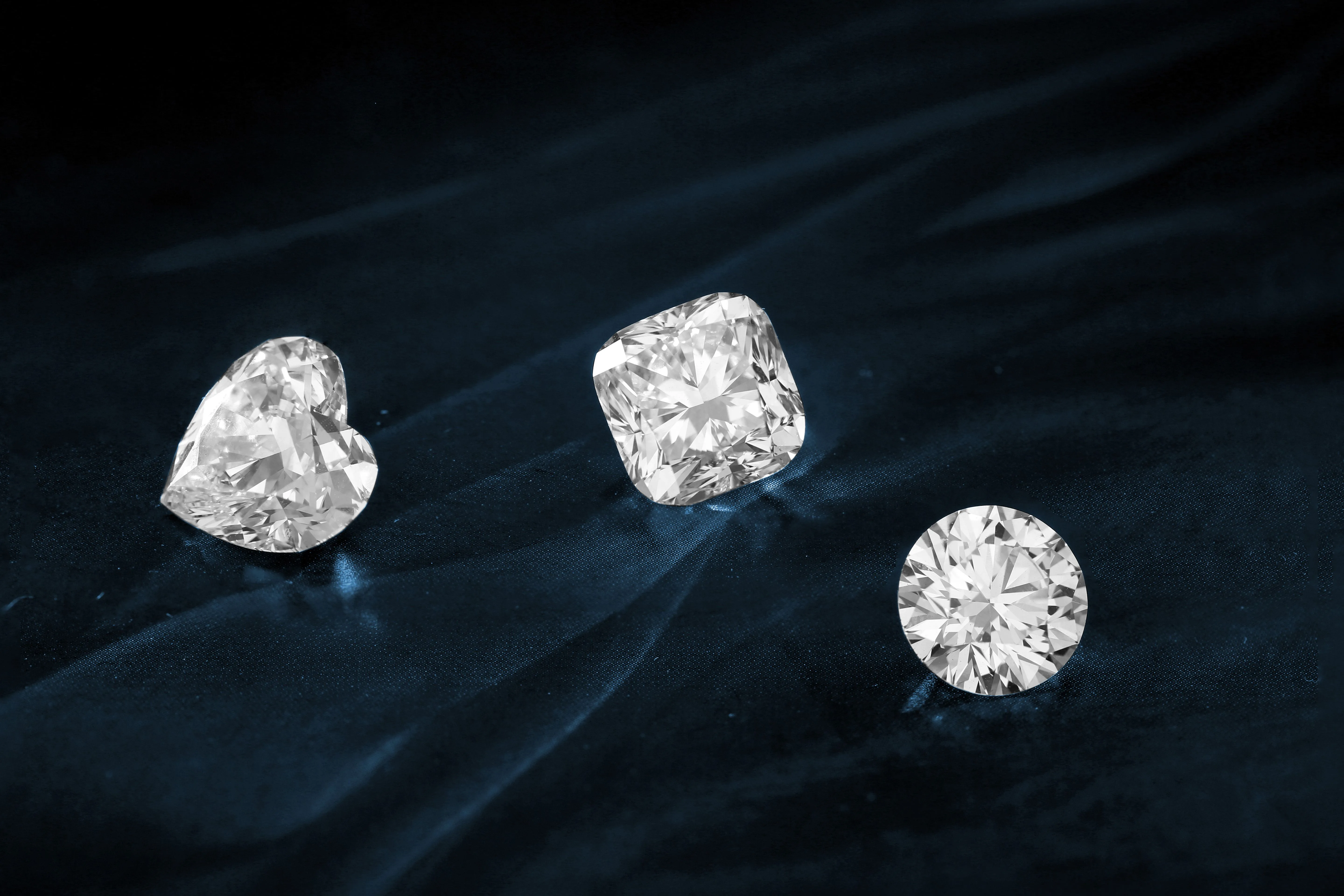
Diamonds are admired for their brilliance, durability, and timeless appeal. However, choosing the right diamond requires more than appreciating its sparkle. Understanding how diamonds form, what makes each stone different, and how professionals evaluate their quality can help buyers make informed decisions when shopping for engagement rings, loose diamonds, or fine jewelry.
If you want to learn about diamonds, it is important to understand their characteristics, shapes, grading standards, and available options. Whether you are purchasing your first diamond or comparing different stones, having basic knowledge can help you recognize quality, evaluate value, and select a diamond that matches your expectations.
How Are Diamonds Formed?
Natural diamonds develop deep beneath the Earth's surface under extremely high pressure and temperature conditions. Over long geological periods, carbon atoms arrange themselves into a crystal structure, creating one of the hardest naturally occurring materials.
Volcanic activity can transport these diamonds closer to the surface through specific rock formations, including kimberlite pipes. They are then recovered through mining operations and processed for jewelry and other applications.
Today, diamonds are available in two main categories:
- Natural Diamonds: Formed naturally within the Earth over geological periods.
- Lab-Grown Diamonds: Created in controlled laboratory environments using advanced technological processes.
Both types consist of crystalline carbon and can have comparable physical, chemical, and optical properties. Their primary difference is their origin.
Understanding the Different Diamond Shapes
Diamond shape is one of the first features buyers notice. It influences the overall appearance of a stone and plays an important role in choosing an engagement ring or jewelry design.
Popular Diamond Shapes
Round Brilliant: This classic shape is known for its carefully designed facets, which create impressive brightness and sparkle. It is a popular option for engagement rings.
Oval: Oval diamonds have an elongated appearance that can create the impression of greater size when viewed from above. Their shape also works well with many ring settings.
Princess: Recognized by its square outline and pointed corners, the princess cut offers a modern appearance with plenty of brilliance.
Emerald: This rectangular shape features step-cut facets that create a distinctive hall-of-mirrors effect rather than the sparkle of a brilliant cut.
Pear: Combining a rounded end with a pointed tip, pear-shaped diamonds offer a distinctive appearance suitable for elegant jewelry.
Cushion: Featuring rounded corners and larger facets, cushion-cut diamonds combine a soft outline with a traditional appearance.
When selecting a shape, consider your personal style, preferred setting, finger proportions, and how the diamond looks from different angles.
What Are the 4Cs of Diamonds?
The 4Cs are the internationally recognized characteristics used to evaluate diamond quality. Understanding these factors is essential when comparing loose diamonds.
1. Cut
Cut describes how effectively a diamond's proportions, symmetry, and polish allow it to interact with light. A well-cut diamond can display excellent brightness, colorful flashes, and sparkling movement.
Cut quality is particularly important when selecting round brilliant diamonds. A larger stone may not look as attractive as a smaller one if its proportions result in poor light performance.
2. Color
Diamond color grading generally evaluates how much yellow or brown tint is visible in a diamond. The GIA scale ranges from D to Z.
- D–F: Colorless
- G–J: Near-colorless
- K–M: Faint color
- N–R: Very light color
- S–Z: Light color
Near-colorless diamonds can offer an attractive appearance without requiring buyers to select the highest color grades.
3. Clarity
Clarity measures the internal inclusions and external blemishes found in a diamond. These characteristics develop naturally or result from the diamond's formation and finishing process.
The main clarity categories include Flawless (FL), Internally Flawless (IF), Very Very Slightly Included (VVS), Very Slightly Included (VS), Slightly Included (SI), and Included (I).
A diamond with VS or SI clarity may still appear clean without magnification. Its actual appearance depends on the location, size, and visibility of its inclusions.
4. Carat Weight
Carat measures the weight of a diamond rather than its visible size. One carat equals 200 milligrams.
A diamond's face-up appearance also depends on its shape and proportions. Therefore, two stones with identical carat weights may look different in size.
How to Identify a Quality Diamond
Understanding grading specifications is useful, but examining a diamond's overall appearance is equally important. A quality diamond should meet your expectations in terms of beauty, condition, and documented characteristics.
Consider these factors before purchasing:
- Check the grading report: Review the diamond's cut, color, clarity, and carat information.
- Examine its sparkle: Look for attractive brightness and balanced light reflection.
- Review the proportions: Pay attention to measurements, depth, and table percentage where relevant.
- Inspect clarity characteristics: Understand whether inclusions are visible or affect the diamond's appearance.
- Compare similar stones: Evaluate diamonds with comparable specifications to understand differences in appearance and pricing.
Independent grading reports from recognized laboratories, such as GIA and IGI, can provide useful information about a diamond's characteristics. Always verify the report details through the issuing laboratory.
Natural vs. Lab-Grown Diamonds
Choosing between natural and lab-grown diamonds is an important part of the buying process. Both options can provide beautiful stones, but they differ in origin, pricing, and buyer preferences.
Natural diamonds appeal to people who appreciate geological rarity and natural formation. Lab-grown diamonds provide another option for buyers who want a diamond with comparable physical and optical properties, often at a lower purchase price.
Before deciding, consider:
- Your available budget.
- Preferred diamond shape and carat weight.
- Grading and certification details.
- Personal views about diamond origin.
- The intended jewelry design.
Neither option should be selected based on appearance alone. Compare individual diamonds to understand their actual characteristics and value.
Tips for Buying Diamonds Online
Shopping online provides access to different diamond shapes, specifications, and price options. However, careful research is important before making a purchase.
Follow these practical suggestions:
- Set a realistic budget: Decide how much you are comfortable spending before browsing.
- Choose your preferred shape: Explore different cuts to identify the appearance you like.
- Compare the 4Cs: Look beyond individual grades and evaluate the complete combination.
- Review certification: Check the grading report and verify its details.
- Compare prices: Evaluate stones with similar characteristics rather than choosing the lowest price automatically.
- Check return policies: Understand the seller's return, exchange, and warranty conditions.
Online comparison platforms such as diamondhedge can help shoppers explore diamond specifications and compare available options before making a final decision.
Conclusion
Taking the time to learn about diamonds can make the buying process easier and more rewarding. Understanding diamond formation, shapes, the 4Cs, certification, and the differences between natural and lab-grown stones provides a useful foundation for evaluating your options.
Instead of focusing on a single specification, consider the complete characteristics of each diamond. Compare different stones, review their grading reports, and choose one that suits your style, expectations, and budget.
Frequently Asked Questions
1. What should beginners know about diamonds?
Beginners should understand diamond shapes, the 4Cs, certification, and the differences between natural and lab-grown diamonds before purchasing.
2. Which diamond shape has the most sparkle?
Round brilliant diamonds are designed to maximize light performance and are widely recognized for their exceptional brilliance. However, sparkle also depends on individual cut quality.
3. Are natural and lab-grown diamonds real diamonds?
Yes. Both are diamonds made of crystalline carbon and share comparable physical, chemical, and optical properties. Their main difference is how they are formed.
4. Why is diamond certification important?
Certification provides an independent assessment of a diamond's characteristics, helping buyers understand its grading information and make more informed comparisons.
5. How can I find the right diamond for my budget?
Start with a comfortable spending limit, compare different combinations of the 4Cs, and prioritize the characteristics that matter most to you. Reviewing several diamonds can help you identify the best match.