In industries where products are bought and sold by weight, accuracy is not just important—it is legally required. This is where legal-for-trade pallet scales come into play. These specialised weighing systems ensure that every transaction is fair, compliant, and traceable according to government regulations.
Whether you operate in warehousing, logistics, agriculture, manufacturing, or distribution, understanding how legal-for-trade pallet scales work can help you avoid compliance risks, improve operational accuracy, and build trust with your customers.
What Are Legal-for-Trade Pallet Scales?
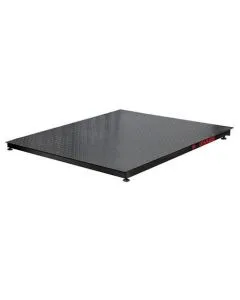
A pallet scale is a heavy-duty weighing system designed to weigh palletised goods using forklifts or pallet jacks. When a pallet scale is classified as legal-for-trade, it means it has been certified to meet strict accuracy standards set by regulatory authorities such as trade measurement agencies.
In Australia, legal-for-trade weighing instruments must comply with the requirements of the National Measurement Institute (NMI) under the National Trade Measurement Regulations.
These certified scales are approved for use in commercial transactions where weight determines price, invoicing, or billing.
Why Legal-for-Trade Certification Matters
Using a standard industrial scale for internal operations is fine in many cases. However, the moment weight is used for billing customers, legal compliance becomes mandatory.
Legal-for-trade certification ensures:
- Accurate and repeatable weight measurements
- Compliance with government trade measurement laws
- Protection against disputes and financial loss
- Transparency in customer transactions
- Audit readiness for regulatory inspections
Without certification, businesses risk penalties, fines, and reputational damage if weight discrepancies are found during audits.
How Legal-for-Trade Pallet Scales Work
Legal-for-trade pallet scales operate using high-precision load cells that measure weight distribution across the platform. These load cells convert mechanical force into electrical signals, which are then processed by a digital indicator.
To meet legal-for-trade standards, the system must undergo:
- Calibration using certified test weights
- Sealing of adjustment points to prevent tampering
- Verification by an approved inspector
- Periodic re-certification depending on usage and regulations
This ensures the scale maintains accuracy within strict tolerance limits.
Key Features of Legal-for-Trade Pallet Scales
When choosing a certified pallet scale, certain features are essential for both compliance and efficiency.
1. High Accuracy Load Cells
Precision load cells ensure consistent and reliable measurements even under heavy industrial loads.
2. Durable Industrial Construction
Most pallet scales are built from stainless steel or heavy-duty mild steel to withstand harsh warehouse environments.
3. Legal Certification Compliance
Look for compliance markings indicating approval under national trade measurement standards.
4. Easy Integration with Systems
Many modern pallet scales integrate with warehouse management systems (WMS), ERP platforms, and barcode systems.
5. Portable or Fixed Designs
Depending on your workflow, pallet scales may be stationary or designed for mobility using forklift access points.
6. Digital Indicators
Clear, easy-to-read displays with features like tare function, accumulation, and data output improve usability.
Industries That Rely on Legal-for-Trade Pallet Scales
Legal-for-trade pallet scales are essential in any industry where goods are sold by weight.
Warehousing and Logistics
Used for accurate shipping weights and freight billing.
Manufacturing
Ensures correct material usage and product batching.
Agriculture and Food Processing
Critical for packaging, distribution, and compliance with food trade standards.
Retail Distribution
Used for bulk goods where pricing depends on exact weight.
Recycling and Waste Management
Helps ensure fair payment based on material weight.
Legal Requirements in Australia
In Australia, trade measurement laws are governed by the National Measurement Institute (NMI). For a pallet scale to be considered legal-for-trade, it must:
- Be pattern approved by the NMI
- Be verified by an authorised verifier
- Display a compliance plate or certification mark
- Be used within its specified accuracy class
It is also the responsibility of the business owner to ensure the scale remains compliant over time. This includes regular servicing and recalibration.
Failure to comply can result in fines or invalidated transactions.
Calibration and Maintenance Requirements
Even legal-for-trade scales require ongoing maintenance to ensure accuracy.
Recommended maintenance practices:
- Regular calibration using certified test weights
- Routine inspection of load cells and indicators
- Ensuring the scale is level and installed on a stable surface
- Checking for wear and tear in high-traffic environments
- Scheduled re-verification depending on industry regulations
Proper maintenance not only ensures compliance but also extends the life of the equipment.
Benefits of Using Legal-for-Trade Pallet Scales
Investing in certified pallet scales offers long-term operational and financial advantages.
1. Compliance Assurance
Avoid penalties and ensure your business meets legal requirements.
2. Customer Trust
Accurate weighing builds confidence in your transactions.
3. Reduced Disputes
Minimises disagreements over product weight and pricing.
4. Improved Efficiency
Fast and accurate weighing improves warehouse workflow.
5. Data Accuracy
Supports better inventory management and reporting.
Common Mistakes Businesses Make
Despite their importance, businesses often misuse or misunderstand legal-for-trade scales.
Using non-certified scales for billing
This is one of the most common compliance violations.
Skipping recalibration
Even certified scales drift over time if not maintained.
Incorrect installation
Uneven floors or poor setup can affect accuracy.
Ignoring environmental factors
Temperature changes, vibrations, and dust can impact performance.
Avoiding these mistakes ensures long-term reliability and compliance.
How to Choose the Right Legal-for-Trade Pallet Scale
Selecting the right model depends on your operational needs.
Consider the following:
- Maximum weight capacity required
- Frequency of use
- Environment (cold storage, outdoor, warehouse)
- Integration with existing systems
- Certification requirements
- Portability needs
It’s also important to choose a trusted supplier who can provide installation, certification, and ongoing support.
Future Trends in Pallet Weighing Technology
The weighing industry is evolving rapidly with advancements in digital technology.
Some emerging trends include:
- IoT-enabled smart pallet scales
- Cloud-based weight data tracking
- Automated compliance reporting
- AI-powered predictive maintenance
- Integration with robotics and automated warehouses
These innovations are making legal-for-trade systems more efficient and data-driven than ever before.
Conclusion
Legal-for-trade pallet scales are essential for any business involved in commercial weighing. They ensure accuracy, compliance, and transparency in every transaction while protecting your business from legal and financial risks.
By investing in certified equipment, maintaining proper calibration, and following regulatory guidelines, businesses can streamline operations and build stronger trust with customers.
In a world where precision directly impacts profitability, legal-for-trade pallet scales are not just a regulatory requirement—they are a business advantage.