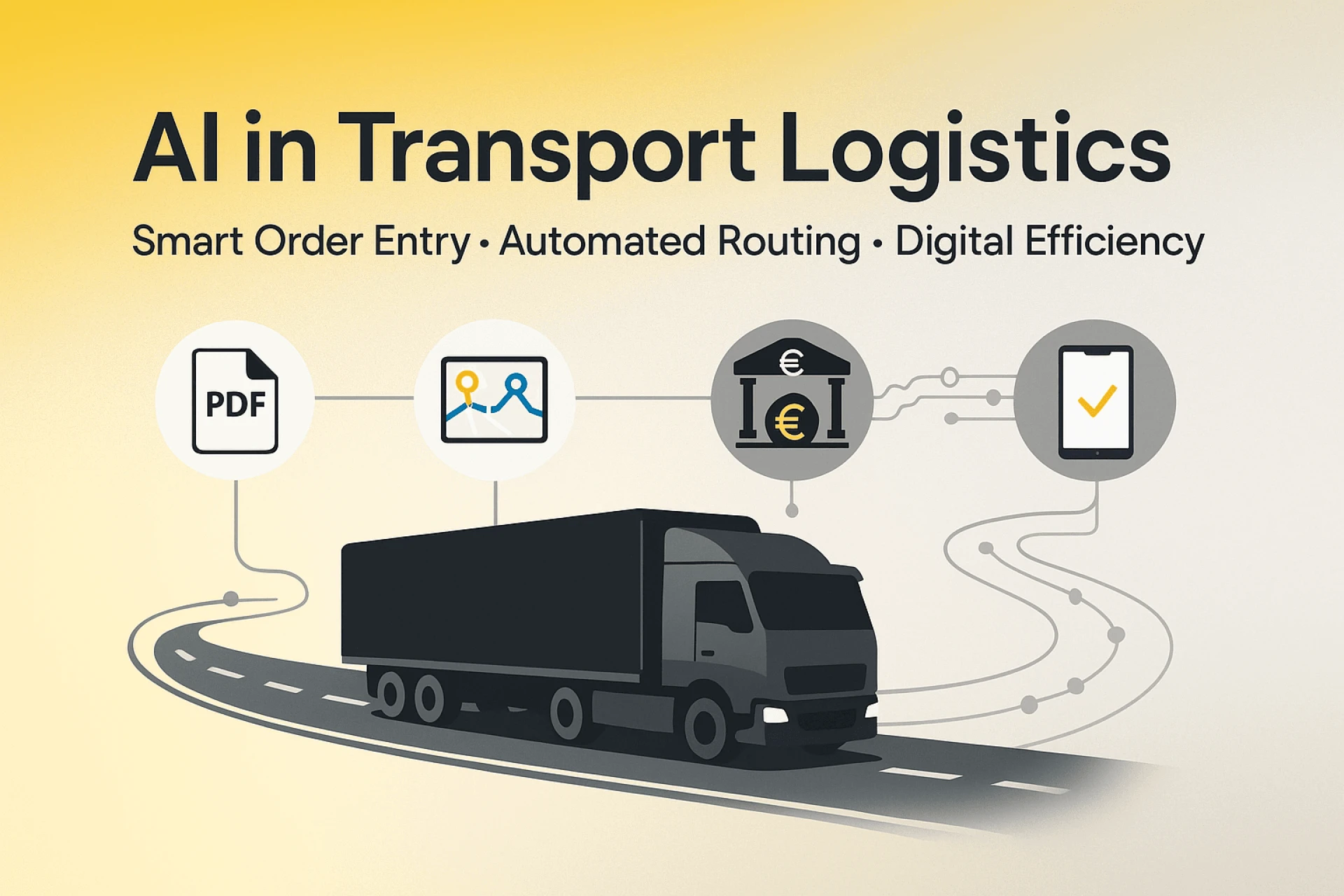
In today’s fast-paced logistics and supply chain industry, speed, accuracy, and visibility are everything. Customers expect real-time tracking, faster deliveries, and seamless service. At the same time, businesses must manage warehouses, transportation, inventory, billing, and compliance — all while controlling costs.
Managing these operations manually or through disconnected systems often leads to delays, errors, and reduced profitability. This is where Logistics ERP Automation Software becomes a game changer.
What is Logistics ERP Automation Software?
Logistics ERP (Enterprise Resource Planning) Automation Software is an integrated platform that centralizes and automates logistics and supply chain operations. It connects departments such as warehouse management, transportation, procurement, finance, and customer service into one unified system.
By automating workflows and providing real-time visibility, it helps logistics companies operate more efficiently and make data-driven decisions.
Key Challenges in Logistics Without ERP Automation
Many logistics companies struggle with:
- Manual data entry errors
- Lack of real-time shipment tracking
- Inventory mismatches
- Delayed billing and invoicing
- Poor coordination between departments
- Limited operational visibility
- Rising operational costs
These challenges not only slow down processes but also impact customer satisfaction and overall business growth.
Core Features of Logistics ERP Automation Software
1. Transportation Management
Optimize route planning, manage fleet operations, track shipments in real time, and monitor delivery performance.
2. Warehouse & Inventory Management
Track stock levels, manage warehouse operations, monitor goods movement, and reduce inventory discrepancies.
3. Order Processing & Billing Automation
Automate order management, invoicing, payment tracking, and financial reporting to improve speed and accuracy.
4. Supply Chain Visibility
Gain end-to-end visibility across procurement, vendors, distribution, and delivery operations.
5. Real-Time Reporting & Analytics
Access dashboards and performance metrics to analyze KPIs, operational efficiency, and profitability.
6. Integration Capabilities
Seamlessly integrate with accounting systems, CRM platforms, GPS tracking, and third-party logistics tools.
Benefits of Implementing Logistics ERP Automation
Increased Operational Efficiency
Automation reduces manual tasks and streamlines workflows across departments.
Reduced Errors and Costs
Minimize human errors in billing, inventory tracking, and order processing.
Improved Customer Satisfaction
Provide accurate delivery timelines and real-time tracking updates.
Better Decision-Making
Use real-time insights to optimize routes, manage inventory, and control expenses
.
Scalability for Growth
Easily adapt to business expansion, higher shipment volumes, and new locations.
How Logistics ERP Drives Business Growth
In a competitive logistics market, operational excellence is the key to success. Logistics ERP automation enables businesses to:
- Optimize resource utilization
- Improve delivery performance
- Reduce operational delays
- Enhance transparency across supply chain
- Increase profitability
By centralizing operations and automating routine processes, companies can focus more on strategy and customer service rather than manual coordination.