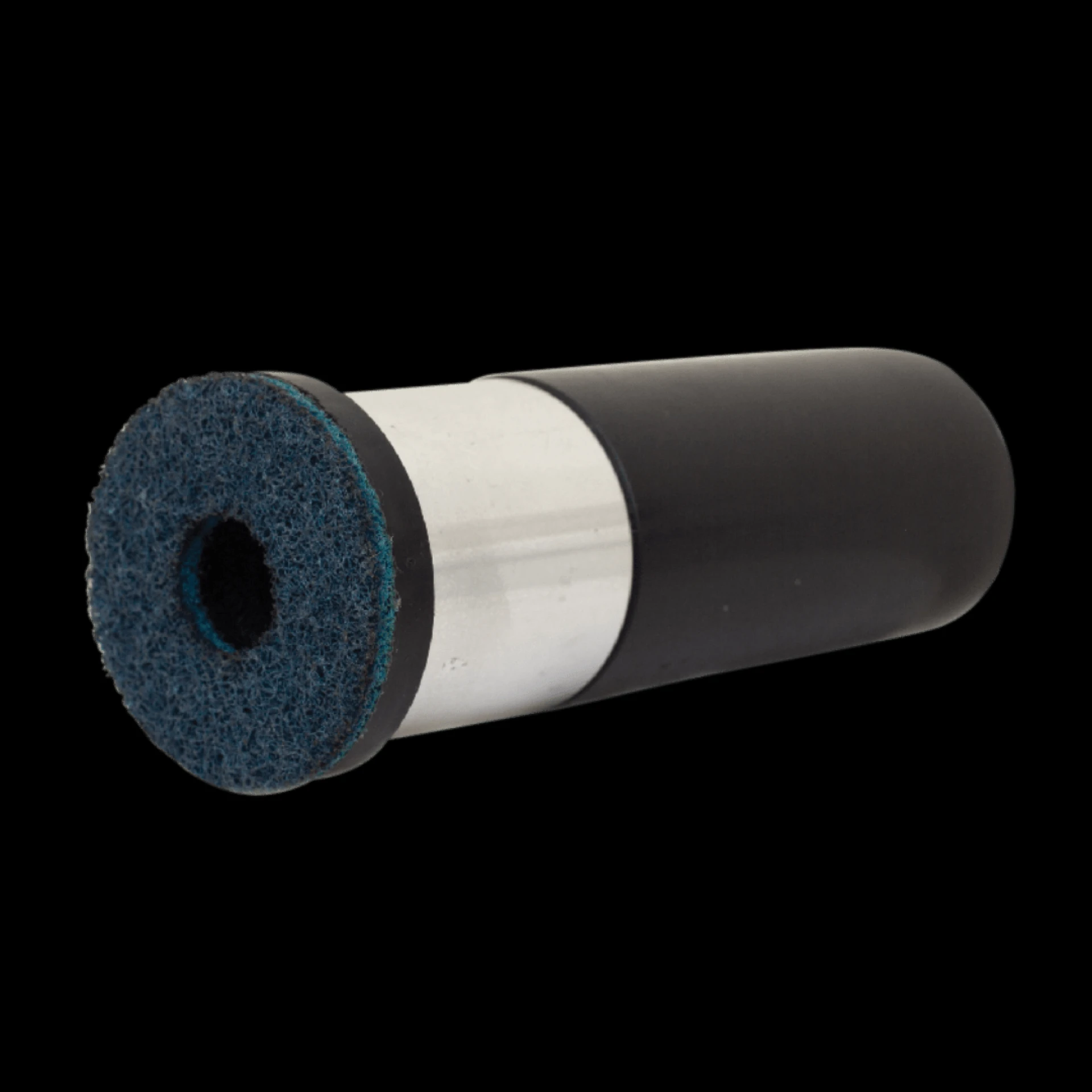
In heavy-duty vehicle maintenance, keeping wheels secure involves much more than just hitting a specific torque number. Experienced technicians understand that most wheel-off incidents actually start with preparation mistakes made long before a torque wrench is even touched. Using a dedicated Lug Stud Cleaning Tool is a vital step in stopping these failures by ensuring threads and mating surfaces are truly clean before a wheel is mounted.
Whether it’s a commercial truck, trailer, or bus, wheel fasteners are constantly battling rust, road debris, and old paint buildup. If these contaminants stay on the studs or hub faces, they mess with how the fasteners grip and throw off the relationship between torque and actual tension. Even if you follow torque specs to the letter, uneven or dirty surfaces can cause a weak clamp load, which is exactly how wheels end up coming loose.
Why Proper Stud Prep Prevents Wheel Loss
A wheel falling off is rarely caused by just one mistake. Usually, it’s the result of several friction-related problems that slowly weaken the clamping force. Corroded or dirty threads create extra resistance, making a torque wrench "click" before the wheel is actually tight enough. Similarly, any junk left on the mating surfaces stops the wheel from sitting perfectly flush against the hub.
High-end solutions like the StudMate™ are built specifically to handle these risks. Engineered for the heavy-duty industry, this tool uses power-driven consistency to scrub threads and hub surfaces, removing the guesswork and physical strain that comes with manual cleaning.
Surface Issues That Threaten Safety
Even small amounts of buildup can lead to big problems:
- Rust and scale change how much friction is in the threads.
- Paint or grit on hub faces prevents the wheel from seating fully.
- Leftover lubricants can cause "false" torque readings.
By restoring these surfaces to their original state, the StudMate™ ensures that the torque you apply actually creates the reliable clamping force needed for the road.
Better Torque Accuracy Through Mechanical Cleaning
In a professional shop, torque specs don’t mean much if the surfaces aren't prepped. Using a mechanical cleaning system allows technicians to standardize their work across every wheel, no matter how old the vehicle is or what kind of conditions it has been driving in.
Eliminating Human Error in Busy Shops:
Manual scrubbing depends on how much effort a technician puts in or how much time they have. Power-driven tools remove that inconsistency, delivering the same clean results every time—a must-have for high-volume fleets and busy service bays.
Making Stud Cleaning Part of Your PM Routine
Cleaning studs shouldn’t be a "fix" you only do when things look bad; it should be a standard step in every wheel service. When it’s part of the routine, it reduces the need for frequent re-torquing, cuts down on fastener wear, and keeps wheel-ends reliable for the long haul.
Long-Term Reliability and Protection:
Keeping studs and surfaces clean prevents uneven stress and protects against thread damage (galling). Most importantly, it drastically lowers the risk of a wheel-off event, protecting your fleet from expensive downtime, legal liability, and serious safety risks.
Ultimately, a Lug Stud Cleaning Tool is a core safety component for any professional wheel installation. By relying on a specialized system like the StudMate™, technicians can guarantee a consistent clamp load, ensuring wheels stay exactly where they belong.