
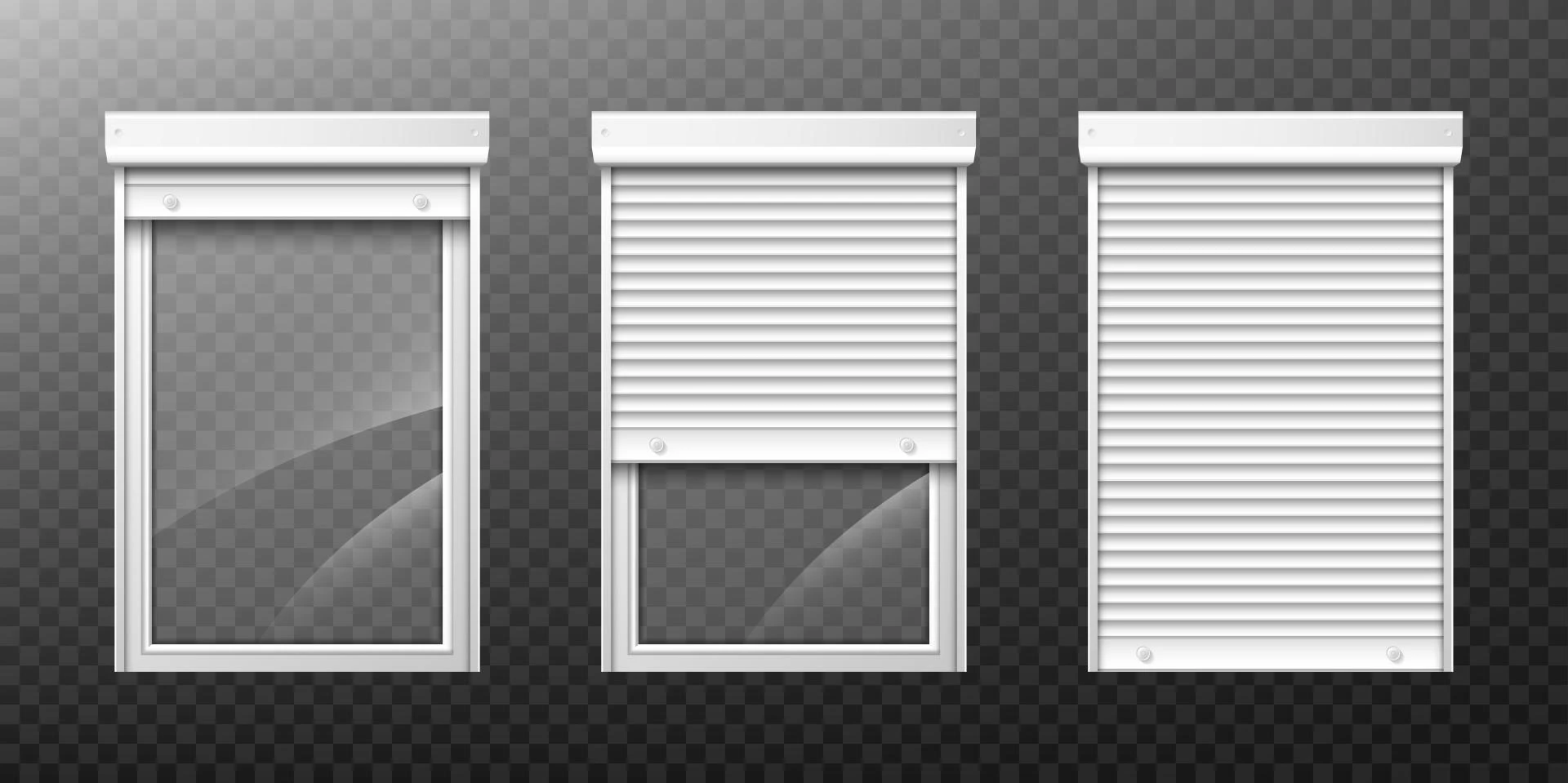
Hurricane season is a yearly reality for residents of Marco Island, FL. One of the smartest investments homeowners can make to protect their property is installing hurricane shutters. But like any protective feature, they need regular care to stay effective year after year.
If you already have hurricane shutters Marco Island FL installed, it’s not enough to wait until a storm warning to check on them. Preventative maintenance helps ensure your shutters work when you need them most—and helps extend their lifespan significantly.
Here’s a comprehensive, easy-to-follow guide on how to maintain your hurricane shutters and keep your home protected through every storm season.
1. Inspect Your Shutters Regularly
The first step in shutter maintenance is a simple visual inspection. At least twice a year—ideally before and after hurricane season—take the time to inspect all shutters for:
- Visible signs of rust or corrosion
- Cracks, dents, or warping in the shutter panels
- Damaged or missing hardware (screws, bolts, locks, tracks)
- Mold, mildew, or salt buildup, especially near coastal areas
For motorized shutters, you should also test the motor and ensure it operates smoothly without strange noises or hesitation.
Tip: Create a checklist to track the condition of each shutter over time. This helps identify patterns and know when to repair or replace specific parts.
2. Clean Your Shutters to Prevent Buildup
Marco Island’s tropical climate brings salt air, humidity, and frequent rains—all of which can cause wear and tear on your shutters. Cleaning helps prevent corrosion and keeps them functioning properly.
Here’s how to clean your hurricane shutters safely:
- Use a soft brush or cloth with mild soap and warm water.
- Rinse thoroughly with a garden hose.
- Avoid using harsh chemicals or power washers, which can damage finishes.
- Wipe down all tracks and remove debris like leaves, sand, or dirt.
Tip: Clean your shutters at least twice a year and more often if your home is very close to the beach.
3. Lubricate Moving Parts
Whether you have accordion, roll-down, or Bahama-style shutters, they likely include moving parts that need occasional lubrication.
Focus on:
- Hinges
- Tracks
- Rollers
- Cranks or locking mechanisms
Use a silicone-based spray lubricant (avoid WD-40 for aluminum shutters) to keep everything operating smoothly and to help prevent rust.
Tip: Lubricate your shutters at the beginning of each hurricane season and after any heavy use.
4. Test Operation Before Storm Season
Waiting until a storm is approaching to deploy your shutters can be a costly mistake—especially if they’re stuck or damaged.
Instead, test them before hurricane season by:
- Opening and closing all shutters fully
- Checking that motorized units respond to controls
- Ensuring manual locks and latches secure properly
If you discover any issues, address them immediately so you’re not caught off guard when a real emergency hits.
Tip: Practice using your shutters once a year so you—and your family—know how to operate them quickly when needed.
5. Protect Against Corrosion
Coastal living in Marco Island means increased exposure to salt air, which can accelerate corrosion on aluminum or steel hurricane shutters.
Here are a few ways to minimize corrosion:
- Rinse shutters with fresh water more frequently if you live near the shore
- Apply a protective wax coating to metal shutters for added defense
- Store removable shutters (like storm panels) in a dry, covered area away from moisture
Tip: If you notice early signs of rust or corrosion, sand and repaint the area with a rust-resistant paint suitable for shutters.
6. Tighten Loose Hardware
Over time, vibrations from wind, rain, or regular use can loosen the screws and fasteners that hold your shutters in place.
During your inspections, check for:
- Loose or missing screws and bolts
- Shaky tracks or brackets
- Rusted or stripped hardware
Tighten or replace parts as needed to ensure your shutters remain securely attached and stable.
Tip: Use stainless steel hardware when replacing bolts or screws to resist rust in the humid Florida climate.
7. Schedule Professional Inspections
While DIY maintenance covers most needs, it’s a good idea to schedule a professional inspection every few years—especially for complex or motorized shutter systems.
A technician can:
- Identify hidden issues you might miss
- Check motor performance and wiring
- Recommend upgrades or replacements if needed
Tip: Choose a local expert familiar with hurricane shutters Marco Island FL to ensure they understand the region's weather demands and building codes.
8. Store Removable Shutters Properly
If your home uses storm panels or other removable shutters, how and where you store them matters.
- Clean them before storage
- Stack or hang them in a dry, cool place (garage, shed, or attic)
- Label panels by location to save time during installation
Tip: Avoid stacking heavy panels directly on the floor, where moisture can build up and cause corrosion.
Final Thoughts
In Marco Island, FL, hurricane shutters are a vital layer of protection between your home and the power of a tropical storm. But their effectiveness depends on regular care. By following the tips above, you can extend the life of your shutters, ensure they’re always ready, and avoid costly last-minute repairs during storm season.
Remember—proactive maintenance is far easier (and cheaper) than emergency repairs. With a little attention and effort, your hurricane shutters Marco Island FL can protect your home for many years to come.