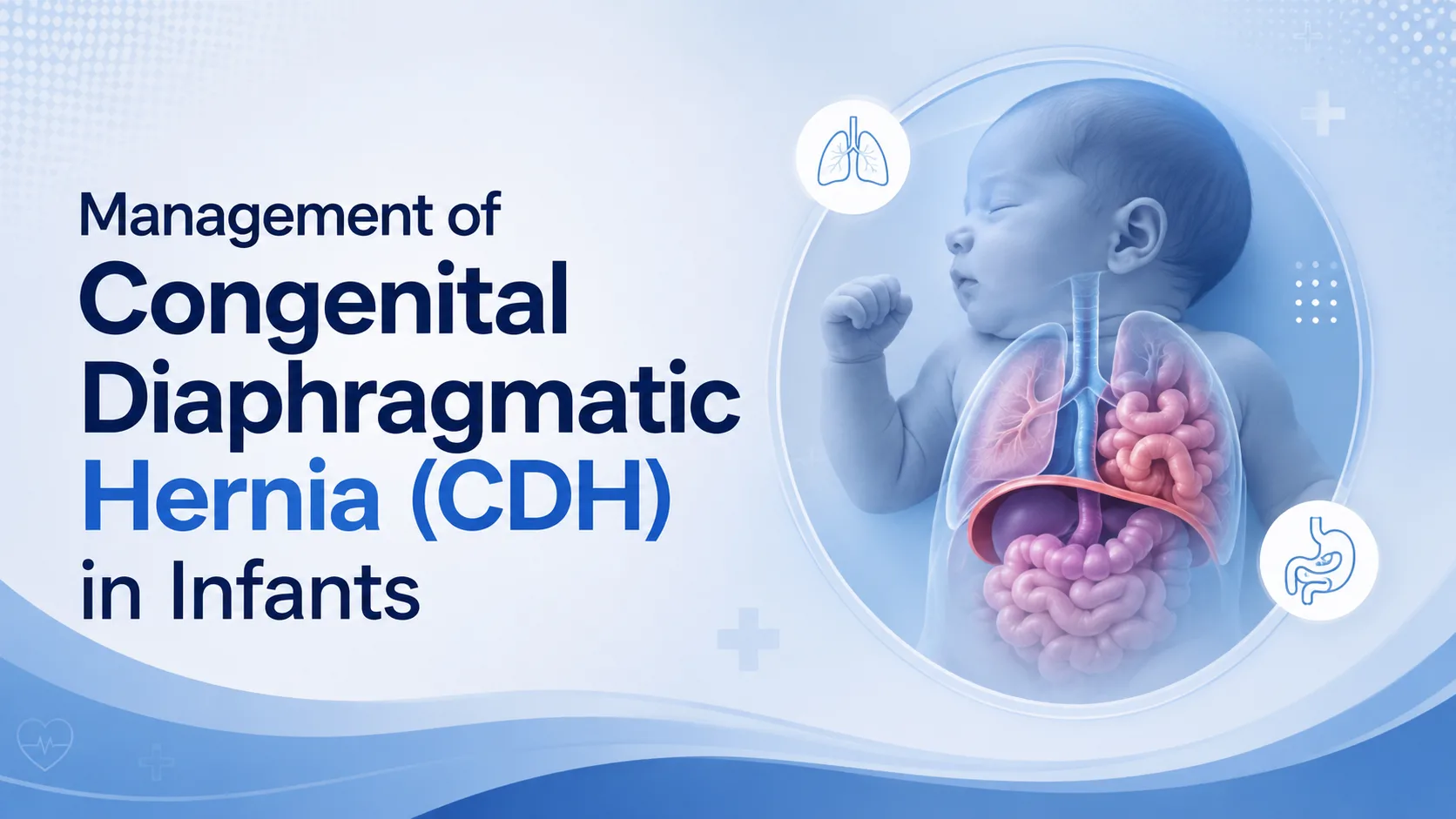
CDH Management in Infants Congenital Diaphragmatic Hernia (CDH) is a birth abnormality that occurs because of inadequate development of the diaphragm while in the mother’s womb. The diaphragm is a muscle that separates the chest cavity from the abdomen, and it helps to perform respiratory activities. CDH happens due to diaphragm abnormality, leading to the formation of an opening through which the abdominal organs move to the chest area.
CDH Signs and Diagnosis
The diagnosis of CDH is often made during routine prenatal ultrasound tests. In certain cases, further diagnostic procedures, including fetal MRI tests, may be suggested to evaluate the degree of CDH and treatment prior to birth.
In babies born with CDH, the following symptoms may be seen:
- Difficulty in breathing
- Fast breathing
- Skin blue in color due to lack of oxygen in the body
- Sunken or flat-looking stomach
- Fewer sounds of breath heard from one side of the chest
Approach in Treating Newborns
CDH treatment needs teamwork among neonatologists, pediatric surgeons, anesthesiologists, and intensivists. The first step is stabilizing breathing and circulation. Ventilation is needed in most infants, while in some cases, there is a need for advanced life support before conducting surgery.
When the infant is stabilized, the next step is conducting a procedure to relocate the displaced abdominal organs to the correct location and to fix the hole in the diaphragm. Depending on the size of the defect, this can be done by either repairing it with the baby’s tissues or using a surgical patch.
After surgery, the infant stays in the NICU for observation. Treatment concentrates on developing healthy lungs, nutrition, and complication management.
Long-Term Care and Follow-Up
Children who are born with CDH might still need to undergo routine check-ups after a successful operation due to the fact that the lungs can continue developing after birth.
Certain children may also need to undergo breathing exercises, nutritional support, or developmental assessments in order for them to have the best quality of life that they can possibly have.
Early Expert Care Makes a Difference
Congenital Diaphragmatic Hernia is a complicated disease, but early diagnosis and good surgical skills will help your child survive. If you think your kid needs professional medical consultation and treatment, visit the Trusted Pediatric Surgeon in Hyderabad. Read more about pediatric diseases in our blog about Hernia in children.
At G.M. Clinic, we prioritize the unique healthcare needs of children, offering specialized services that encompass both preventive and surgical care. As a leading pediatric hospital in Hyderabad, our mission is to provide holistic treatment approaches that cater to the physical and emotional well-being of our young patients.
Dr. G.M. Irfan, our chief pediatric surgeon, brings a wealth of knowledge and expertise, having performed numerous successful surgeries over his illustrious career. His accolades, including a gold medal in pediatric surgery and international training in advanced surgical techniques, reflect his dedication to pediatric excellence.
Our services cover a broad spectrum, addressing conditions such as hernias, appendicitis, urinary tract issues, and more. Utilizing minimally invasive techniques, we aim to reduce recovery times and enhance patient comfort. The clinic's child-centric approach ensures a soothing environment, making medical visits less daunting for children.
With multiple branches across Hyderabad, including prominent locations like Malakpet and Chandrayangutta, G.M. Clinic is accessible to families throughout the city. Our unwavering commitment to quality care and patient satisfaction solidifies our reputation as the best pediatric hospital in Hyderabad.