Planning large-scale events requires more than just great food and décor—it demands efficient coordination of people, movement, and service. One of the most overlooked yet critical aspects of event success is managing traffic flow. Whether it’s a wedding, corporate gathering, or private celebration, proper planning ensures that guests and staff move seamlessly throughout the venue. For professionals involved in catering in Colorado Springs, mastering traffic management can significantly enhance the overall guest experience while maintaining operational efficiency.
Understanding the Importance of Traffic FlowTraffic flow refers to how guests, staff, and vendors move within an event space. Poorly planned layouts can lead to congestion, delays, and confusion, which can negatively impact the event experience. On the other hand, a well-organized setup creates a smooth and enjoyable environment.
In large catering events, multiple activities happen simultaneously—guests arrive, food is served, and staff operate behind the scenes. Without a clear plan, these movements can overlap and create bottlenecks. That’s why understanding traffic flow is essential for delivering high-quality catering events that run efficiently from start to finish.
Designing Separate Paths for Guests and Staff
One of the most effective strategies for managing traffic is creating separate pathways for guests and service staff. This ensures that the flow of service operations does not interfere with guest movement.
For example, staff should have designated access points to kitchens, serving stations, and storage areas. Meanwhile, guests should be guided through clearly marked entrances, seating areas, and dining stations. This separation minimizes disruptions and allows both groups to move freely without causing delays.
When planning such layouts, it’s helpful to analyze the venue’s structure and identify areas where traffic may overlap. Strategic placement of service stations and walkways can prevent congestion and improve efficiency.
Optimizing Buffet and Serving Station Layouts
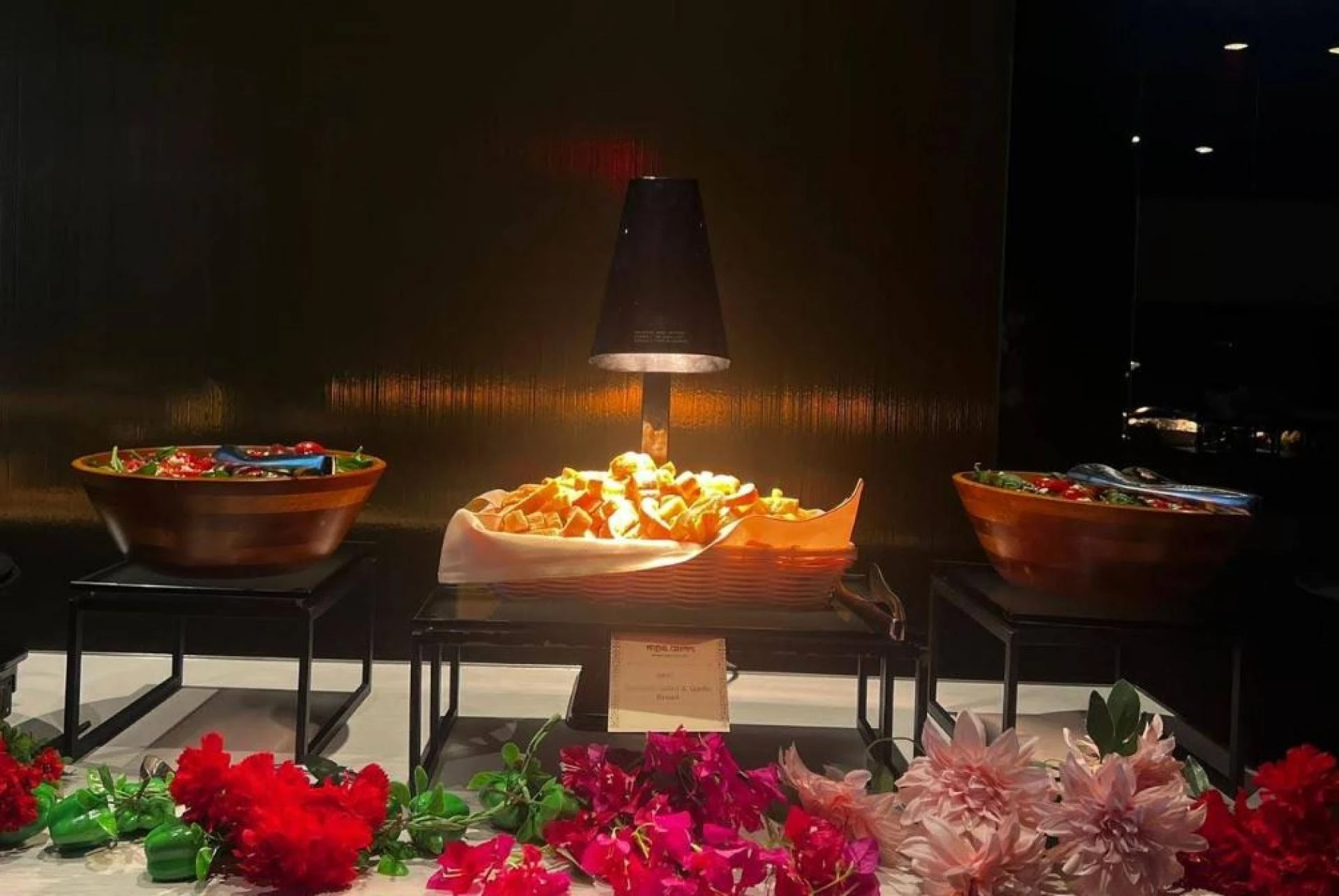
Food service areas are often the busiest zones in any catering event. Proper placement and design of buffet stations can significantly reduce wait times and crowding.
Consider using multiple serving stations instead of a single long buffet line. This approach distributes guests more evenly and prevents long queues. Placing stations in different areas of the venue also encourages movement and reduces crowd density in one spot.
Interestingly, similar logistical principles are applied in large-scale operations like corporate lunch catering NYC, where efficiency and timing are crucial. Applying these strategies to local events can greatly improve the flow and overall experience.

Managing Entry and Exit Points
Entry and exit points play a crucial role in controlling traffic flow. Poorly managed entrances can lead to congestion, especially during peak arrival times.
To avoid this, consider the following:
- Use multiple entry points for large events
- Assign staff to guide guests upon arrival
- Clearly mark exits to ensure smooth departure
Additionally, staggered arrival times or scheduled activities can help distribute guest movement more evenly throughout the event. These small adjustments can make a significant difference in maintaining order and comfort.
Coordinating Vendors and Back-of-House Operations
Behind-the-scenes coordination is just as important as guest-facing operations. Vendors, catering staff, and event planners must work together to ensure smooth service delivery.
Designating specific areas for food preparation, storage, and equipment setup helps keep back-of-house operations organized. Clear communication among team members ensures that everyone understands their roles and responsibilities. For events involving catering in Colorado Springs, having a well-coordinated team can prevent delays and ensure that service runs efficiently without interrupting the guest experience.
Enhancing Guest Experience Through Smart Planning
Ultimately, effective traffic management is about creating a comfortable and enjoyable experience for guests. When movement is smooth and organized, guests can focus on enjoying the event rather than dealing with inconvenience or confusion.
Simple elements such as clear signage, well-lit pathways, and strategically placed seating areas can enhance navigation within the venue. Providing enough space for guests to move freely also contributes to a more relaxed and enjoyable atmosphere.
By prioritizing these details, event planners can ensure that every aspect of the event feels seamless and well-executed.
Create Seamless Events with Better Traffic Management!
Managing guest and service traffic is a vital component of successful event planning. From designing efficient layouts to coordinating staff and optimizing service areas, every detail plays a role in delivering a smooth and memorable experience.
If you are involved in organizing or planning events, focusing on traffic flow can elevate the quality of your services. For those specializing in catering in Colorado Springs, implementing these strategies can help create events that are not only well-organized but also enjoyable for every guest.