India is witnessing a rapid demographic shift, making medical help for senior citizens an urgent priority in today’s healthcare ecosystem. With the elderly population expected to reach nearly 173 million by 2026 and continue rising sharply in the coming decades, the demand for structured healthcare, preventive services, and long-term care solutions is growing at an unprecedented rate.
Understanding the Growing Need
Ageing brings multiple health challenges, including chronic illnesses, reduced mobility, and cognitive decline. Studies indicate that chronic diseases such as diabetes, hypertension, and heart conditions account for a major share of health issues among older adults.
In India, over 70% of elderly individuals reside in rural areas, where access to healthcare infrastructure remains limited. This creates a significant gap between medical needs and available services. Additionally, increasing life expectancy—now around 72 years—means people require longer-term medical and social support.
Key Types of Medical Support
1. Preventive Healthcare
Regular health check-ups, screenings, and early diagnosis play a critical role in preventing serious complications. Routine monitoring of blood pressure, sugar levels, and bone health can significantly improve quality of life.
2. Geriatric Care Services
Specialized geriatric care focuses on age-related conditions and provides holistic treatment plans. Dedicated geriatric clinics are becoming more common and offer tailored care for complex health issues.
3. Home-Based Medical Care
For seniors with limited mobility, home healthcare services are essential. These include doctor visits, nursing care, physiotherapy, and post-hospitalization support at home, ensuring comfort and continuity of care.
4. Mental Health Support
Loneliness, depression, and cognitive disorders such as dementia are increasingly prevalent among the elderly. Counseling, social engagement programs, and cognitive therapies are crucial components of overall healthcare.
5. Emergency and Long-Term Care
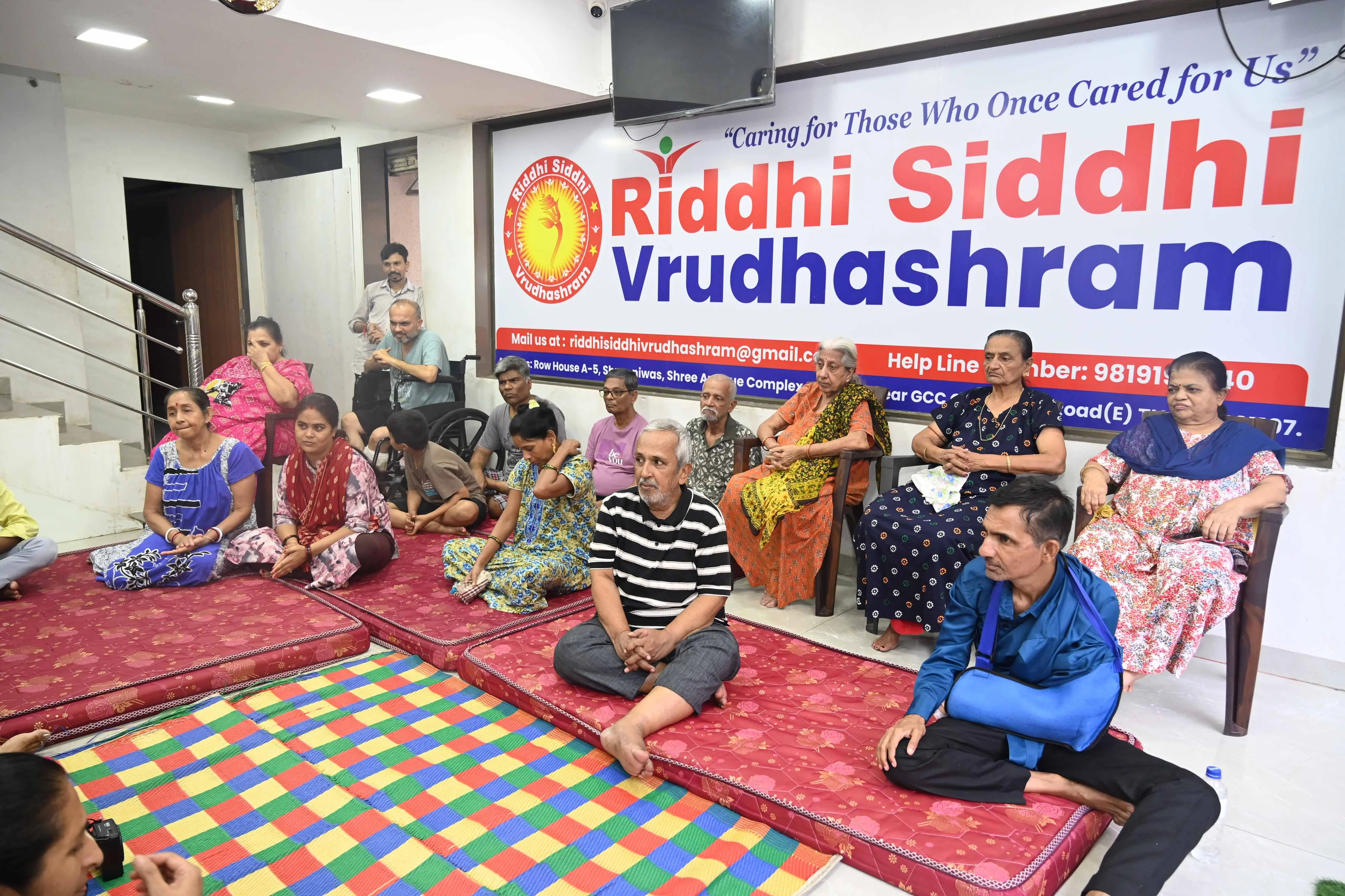
Access to emergency medical services and long-term care facilities ensures timely treatment during critical situations. India currently has hundreds of senior care homes providing shelter, nutrition, and medical assistance to vulnerable elderly individuals.
Challenges in Accessing Healthcare
Despite growing awareness, several barriers persist:
- Limited healthcare infrastructure in rural areas
- High cost of treatment and medications
- Lack of digital literacy, which restricts access to online healthcare services and schemes
- Shortage of trained geriatric specialists
Recent surveys show that a significant percentage of elderly individuals struggle to access healthcare due to digital and systemic barriers, highlighting the need for inclusive solutions.
Government and Policy Initiatives
India has introduced multiple healthcare schemes aimed at improving senior citizen welfare. These include health insurance coverage, free medical camps, and subsidized treatments. However, effective implementation remains a key challenge, as gaps between policy and ground reality still exist.
The Way Forward
To ensure dignified ageing, a multi-layered approach is essential:
- Strengthening primary healthcare systems
- Expanding geriatric training for healthcare professionals
- Promoting community-based care models
- Encouraging family involvement and awareness
- Leveraging technology while ensuring accessibility for all
Conclusion
As India continues to age, building a comprehensive ecosystem for senior healthcare is no longer optional—it is a necessity. A combination of preventive care, accessible medical services, and strong social support can significantly enhance the quality of life for elderly individuals. Investing in senior healthcare today ensures a healthier, more secure tomorrow for society as a whole.