Most people don’t think about switches until something goes wrong. A loose click. A plate that wobbles. A switch that sparks a little (and makes everyone in the house suddenly very interested in electricity). That’s where the modular vs traditional switch debate becomes real, not just a catalogue comparison.
In daily use, Modular electrical accessories tend to feel cleaner, sturdier, and easier to live with, but traditional switches still have their place when budgets are tight or the wiring is older.
The “Feel” Factor: Clicks, Fit, and Wobble
Traditional switches often come as one fixed piece. If the plate is slightly off, or the box behind it isn’t perfectly aligned, you can get that annoying uneven fit. Modular systems usually sit more neatly because the frames and modules are designed to align cleanly. The switch action often feels smoother too. Not always, but often.
Try this simple test: press a switch lightly from the corner. Does it flex? If it does, it’s usually a sign of cheaper build or poor fitting.
Maintenance: What Happens When One Part Fails?
This is where Modular electrical accessories really show their advantage. If one module fails, you can often replace just that module rather than the entire plate. With many traditional switchboards, the whole unit may need to be changed. It is not just cost, it is downtime. Nobody wants an electrician to visit for a tiny issue.
People who buy from an electrical accessories manufacturer in Jaipur often look for exactly this sort of practical durability, especially for homes, offices, or rental properties where wear and tear is constant.
Looks and Layout: More Custom, Less Compromise
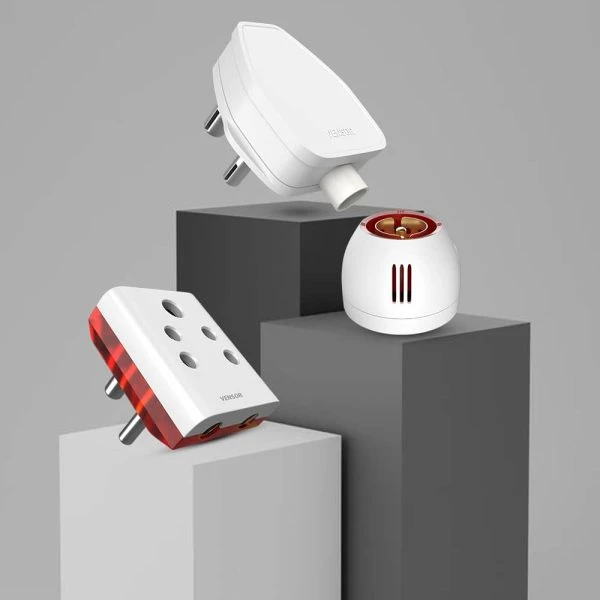
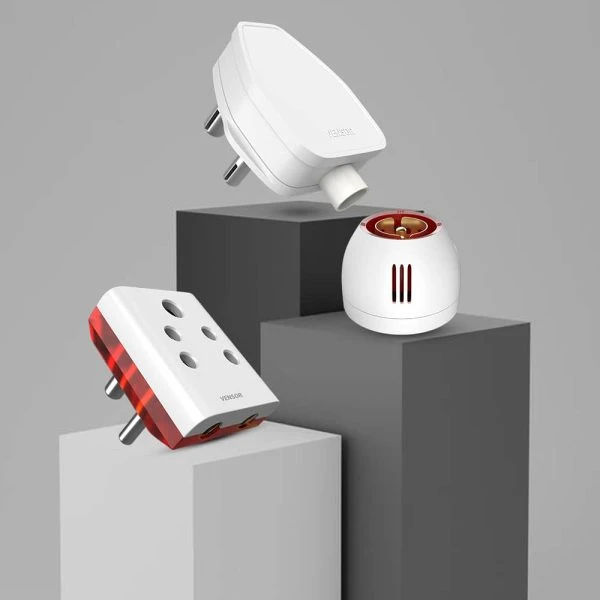
Modular systems allow more combinations. Want a switch, fan regulator, USB charger, and bell in one line? That’s easier with modular. Traditional boards can feel limited, and sometimes the layout ends up awkward because of fixed sizes.
Also, modular plates usually look more modern. Cleaner lines. Less “bulky board” effect. If the room is newly designed, the switchboard suddenly matters more than people expect.
Safety and Build Quality: Depends on the Brand, Not Just the Type
Here’s the honest bit: modular is not automatically safer. Cheap modular products exist. So do solid traditional ones. Safety comes down to materials, proper fittings, and standards compliance. If someone is choosing from an electrical accessories manufacturer in Jaipur, it makes sense to ask about testing, heat resistance, and product ratings rather than only focusing on style.
Conclusion
Traditional switches can be cheaper at purchase. That is why they are still common. But modular can be better value over time because of easier replacements, better fit, and fewer “loose board” issues.
If someone is comparing options like Vensor India Electricals with other brands, the smartest approach is to look at where the switches will be used. High-use areas like kitchens, living rooms, and offices usually benefit from modular. Low-use areas may not need it.
In daily life, the difference is simple: modular tends to feel smoother, look neater, and stay easier to maintain. Traditional works, but it can feel a bit dated and fussier over time.