Choosing the right air conditioning system is essential for maintaining comfort, energy efficiency, and cost-effectiveness in your home or business. Among the most popular options in Australia are single split systems and multi-head split systems. While both offer reliable heating and cooling, they are designed to suit different property layouts, budgets, and comfort requirements.
If you're planning a new installation or upgrading an existing air conditioning system, understanding the differences between these two solutions can help you make a more informed decision.
What Is a Single Split System?
A single split system consists of:
- One indoor unit
- One outdoor compressor unit
The indoor unit is installed in a single room or area, while the outdoor unit powers that specific indoor unit.
Single split systems are commonly used for:
- Bedrooms
- Living rooms
- Home offices
- Small apartments
- Individual commercial spaces
They provide independent temperature control for a single zone and are one of the most affordable air conditioning solutions available.
What Is a Multi Head Split System?
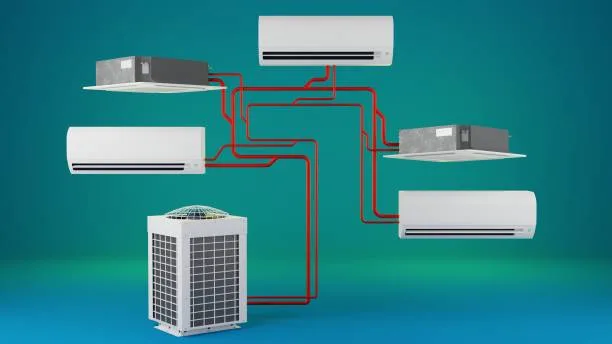
A multi-head split system connects multiple indoor units to a single outdoor unit.
Typically, one outdoor compressor can support between two and eight indoor units, depending on the manufacturer and system capacity.
Multi head systems are ideal for:
- Multi-room homes
- Larger apartments
- Townhouses
- Offices
- Retail spaces
Each indoor unit can usually be controlled independently, allowing different rooms to maintain different temperatures.
Key Differences Between Multi Head and Single Split Systems
1. Number of Rooms Covered
Single Split System
A single split system is designed to heat and cool one room or area.
If you want air conditioning in multiple rooms, you'll need separate systems for each space.
Multi Head Split System
A multi head split system allows several indoor units to operate from one outdoor unit, making it easier to cool or heat multiple rooms throughout the property.
Winner: Multi Head Split System
2. Installation Requirements
Single Split System
Installation is relatively simple because only one indoor unit connects to one outdoor unit.
Benefits include:
- Faster installation
- Lower labour costs
- Easier maintenance access
Multi Head Split System
Installation is more complex due to:
- Multiple refrigerant lines
- Additional electrical connections
- Strategic placement of several indoor units
Professional design and installation are critical to ensure optimal performance.
Winner: Single Split System
3. Outdoor Space Requirements
Outdoor unit placement can be challenging, especially in urban properties with limited space.
Single Split System
Each indoor unit requires its own outdoor condenser.
For multiple rooms, this can result in several outdoor units mounted on walls, roofs, or ground-level locations.
Multi Head Split System
A single outdoor unit serves multiple indoor units, significantly reducing outdoor clutter.
This is particularly beneficial for:
- Apartments
- Townhouses
- Heritage homes
- Properties with limited outdoor space
Winner: Multi Head Split System
4. Upfront Installation Costs
Single Split System
For a single room, a standard split system is generally the most affordable option.
Installation costs are lower because:
- Less equipment is required
- Simpler pipework is needed
- Installation time is shorter
Multi Head Split System
Initial costs are typically higher due to:
- Larger outdoor unit
- Additional indoor units
- More complex installation requirements
However, the overall cost may be lower than installing several separate split systems when cooling multiple rooms.
Winner: Depends on Property Size
5. Energy Efficiency
Energy efficiency is an important consideration given rising electricity prices across Australia.
Single Split System
A single split system can be highly efficient when used in one room.
You only operate the unit where cooling or heating is required.
Multi Head Split System
Modern multi head systems use inverter technology and zoning capabilities to improve efficiency.
Because each indoor unit can often be controlled independently, you can condition occupied rooms only.
However, system efficiency depends heavily on proper sizing and usage patterns.
Winner: Tie (when correctly installed)
6. Temperature Control Flexibility
Single Split System
Each unit controls only one room.
To achieve whole-house comfort, multiple independent systems are needed.
Multi Head Split System
Each indoor unit operates separately, allowing occupants to customise temperatures in different rooms.
For example:
- Bedroom: 20°C
- Living room: 23°C
- Home office: 22°C
This flexibility improves comfort while reducing unnecessary energy consumption.
Winner: Multi Head Split System
7. Maintenance Considerations
Regular maintenance is essential for any air conditioning system.
Single Split System
Maintenance is straightforward and typically involves:
- Filter cleaning
- Coil inspections
- Refrigerant checks
If one unit develops a fault, it affects only that room.
Multi Head Split System
While there is only one outdoor unit to service, multiple indoor units require regular maintenance.
Additionally, if the outdoor unit experiences a major issue, several rooms may lose heating and cooling simultaneously.
Winner: Single Split System
Advantages of Single Split Systems
Single split systems remain one of Australia's most popular air conditioning solutions because they offer:
- Lower installation costs
- Simple operation
- High efficiency for individual rooms
- Easier servicing and repairs
- Ideal for smaller homes and apartments
They are an excellent choice when only one or two rooms require climate control.
Advantages of Multi Head Split Systems
Multi head split systems provide several unique benefits:
- Multiple rooms connected to one outdoor unit
- Reduced outdoor visual clutter
- Independent room temperature control
- Efficient use of limited outdoor space
- Flexible design options
- Improved aesthetics
They are particularly attractive for modern homes where external wall space is limited.
Which System Is Best for Your Property?
Choose a Single Split System If:
- You need air conditioning for only one room.
- You have a limited budget.
- Outdoor space is not a concern.
- You want simple installation and maintenance.
- You are cooling a small apartment or home office.
Choose a Multi Head Split System If:
- You want to heat and cool multiple rooms.
- Outdoor space is limited.
- You prefer a cleaner exterior appearance.
- Different rooms require individual temperature settings.
- You are renovating or building a larger home.
Factors to Consider Before Making a Decision
Before selecting a system, consult a professional air conditioning specialist who can assess:
- Property size
- Room layout
- Insulation levels
- Occupancy patterns
- Budget
- Energy efficiency goals
- Future expansion plans
Proper system sizing is critical. An undersized system may struggle to maintain comfort, while an oversized system can waste energy and increase operating costs.
Conclusion
Both multi head split systems and single split systems offer excellent heating and cooling performance, but the right choice depends on your property's unique requirements.
Single split systems are ideal for individual rooms, offering affordability, simplicity, and easy maintenance. Meanwhile, multi head split systems provide a flexible whole-home solution with independent temperature control and minimal outdoor clutter.
If you're unsure which system is best for your property, consulting a qualified heating and cooling professional can help ensure you choose an energy-efficient solution that delivers long-term comfort, reliability, and value.
By carefully evaluating your space, budget, and comfort needs, you can invest in an air conditioning system that keeps your property comfortable throughout every season.