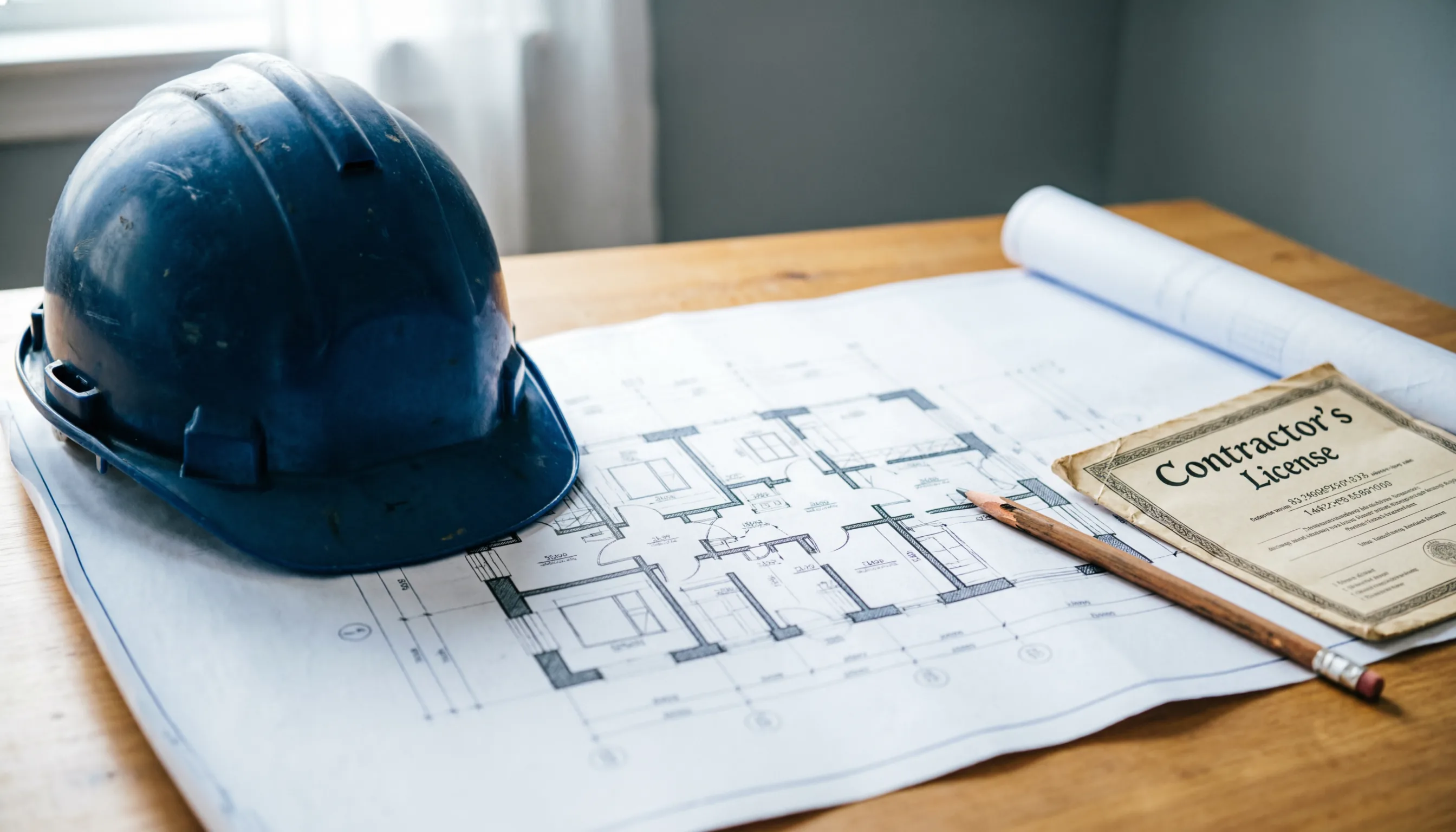
Getting a general contractor license was one of the most important steps I took in my construction career. It was not handed to me easily. There were late nights with study materials, failed mock tests, and moments where I seriously questioned whether I had what it took. But looking back, the process shaped me into a better contractor and a more confident professional. If you are planning to pursue this credential, I want to share what the journey looks like from the inside.
What the General Contractor License Exam Tests You On?
The licensing exam is not just about knowing how to swing a hammer or manage a crew. It tests your knowledge across a wide range of subjects that govern the business and safety of construction work. Most State Licensing Boards organize the exam content around topics like project management, contract law, building codes, safety regulations, financial management, and trade-specific technical skills.
Depending on your state, the exam may be administered by a third-party testing provider or directly by the licensing board. Either way, the exam is structured to determine whether you can safely and legally manage construction projects. You will encounter questions on lien laws, OSHA regulations, workers' compensation, estimating, and even basic accounting. Understanding the scope early on helped me stop treating this like a technical skills test and start treating it like a professional certification.
How I Built My Study Plan Before Sitting for the Exam?
When I first started preparing, I made the mistake of reading reference books from cover to cover without testing myself along the way. That approach felt productive, but it was not. I was absorbing information passively, and when I sat down to answer timed questions, the gaps became obvious.
The shift came when I started using General Contractor License exam practice tests regularly. Timed practice sessions changed everything. They forced me to recall information under pressure, which is exactly what happens on exam day. I would review every wrong answer carefully, not just to get the right answer, but to understand why my reasoning had gone wrong in the first place.
I also found that grouping questions by topic helped me identify weak areas faster. For example, I discovered that contract law questions were consistently giving me trouble. Once I isolated that, I could dedicate focused time to it rather than reviewing everything in a scattered way.
Why Free Practice Resources Matter More Than You Think?
One of the concerns many candidates have is cost. General Contractor License Exam prep courses, reference books, and study guides can add up. That is why finding a General Contractor License practice exam free resource is worth the effort. Free tools allowed me to test my baseline knowledge before I invested in more structured prep materials.
PracticeTestMaster offers free practice questions that are organized by subject and reflect the style of questions found on actual licensing exams. Using a free resource consistently over several weeks helped me build a strong foundation before moving into more advanced prep. Free does not mean low quality here. The key is using whatever you access with the same discipline and focus you would bring to paid coursework.
Understanding the Role of State Licensing Boards
Before you schedule your exam, it is worth spending time on the website of your State Licensing Board. Each state sets its own requirements for education, experience, insurance, and background checks. Some states require you to pass a business and law exam in addition to a trade-specific exam. Others have reciprocity agreements with neighboring states, which can be helpful if you work across state lines.
State Licensing Boards also define who is eligible to sit for the exam in the first place. Most require a minimum number of years working in the trade, documented references, and sometimes proof of financial responsibility. Missing any of these requirements can delay your application by weeks or months, so reviewing the checklist carefully before submitting anything is essential.
The Practical Lessons That Exam Prep Taught Me
Beyond the credential itself, preparing for this exam gave me a much clearer picture of how construction businesses are supposed to operate. I learned more about contract structures, dispute resolution, and jobsite safety compliance than I had picked up in years of hands-on work. The exam forced me to engage with the legal and financial frameworks that govern every project I manage.
One lesson I carry with me is this: the General Contractor License Exam is not the finish line. It is closer to a starting gate. Once you have the license, the knowledge behind it becomes the foundation for every decision you make on a project. Clients trust licensed contractors because the license signals that you have met a defined professional standard. That trust is worth protecting every single day you are on the job.
If you are still in the preparation phase, build your study plan around real practice tests, understand what your state board requires, and treat every question you get wrong as a lesson rather than a setback. The path is more manageable than it looks from the outside.