Why Communication Is Essential for Safe School Transportation
Safe school transportation depends on more than vehicles and routes. Communication between schools, transportation providers, drivers, parents, and caregivers is also an important part of creating an organized transportation system.
Students may have different schedules, accessibility requirements, and transportation needs. When everyone involved has accurate information, it becomes easier to coordinate vehicles, drivers, pickup locations, and daily schedules.
For schools in Tacoma, Kitsap County, and Pierce County, establishing clear communication procedures can help create a more dependable transportation experience for students and families.
Communication Starts Before the Trip
Transportation planning begins before a student enters a vehicle.
Schools and families may need to provide information about pickup locations, school schedules, mobility requirements, equipment, and any assistance the student may require.
Transportation providers can use this information to determine the appropriate vehicle and schedule.
Families considering Student transportation Tacoma can ask providers how transportation information is collected and how important updates are communicated to parents and caregivers.
Providing accurate information early can reduce confusion later.
Keeping Parents and Caregivers Informed
Parents often need to know when and where their child will be picked up and dropped off.
They may also need information about changes to regular transportation arrangements.
For example, a vehicle may require maintenance, a route may change, or traffic may cause an unexpected delay.
A clear communication process can help parents understand these changes and make appropriate arrangements when necessary.
Communication With School Staff
Schools also need effective communication with transportation providers.
School staff may have information about changes to student schedules, school closures, special events, or individual transportation requirements.
Sharing relevant information with transportation managers can help providers adjust routes and schedules when needed.
Regular communication between schools and transportation teams can also help identify potential transportation issues before they affect students.
Drivers Need Accurate Information
Drivers depend on accurate information to complete scheduled trips.
They may need details about:
- Pickup and drop-off locations
- Student schedules
- Accessibility requirements
- Vehicle assignments
- Route information
- Special transportation instructions
When drivers receive clear information before a trip, they can better prepare for the transportation requirements.
For students with disabilities, accurate information can be particularly important because some passengers may require accessible vehicles or additional boarding time.
Accessibility Requires Clear Communication
Accessibility planning begins with understanding the student's needs.
A wheelchair user may require a specific vehicle, while another student may need assistance entering or leaving the vehicle.
Schools and families should communicate these requirements before transportation is scheduled.
Transportation providers can then use this information when selecting vehicles and planning routes.
Families exploring Transportation for children with disabilities can also ask how accessibility requirements are handled during the booking and scheduling process.
Medical Transportation Communication
Some students and families may also require transportation for healthcare appointments, therapy sessions, or other medical services.
Medical trips can involve specific arrival times and additional accessibility requirements.
Families researching Tacoma Medical Transportation can ask about appointment scheduling, accessible vehicles, boarding assistance, and communication procedures.
Providing accurate appointment and mobility information can help transportation providers prepare appropriately.
Researching Medical Transportation Options
Families may also want to explore local Medical transportation resources when arranging transportation for healthcare-related trips.
Before booking, it can be helpful to discuss pickup times, destinations, passenger requirements, equipment, and return transportation.
Clear communication at the beginning can make the transportation arrangement easier for everyone involved.
Technology and Fleet Communication
Transportation providers managing several vehicles need to communicate information across their operations.
Fleet management technology can help organize vehicle assignments, schedules, maintenance information, and operational details.
When fleet information is organized, management teams may be better positioned to communicate changes to drivers and coordinate transportation resources.
Technology does not replace communication, but it can provide a structured way to manage the information that transportation teams need.
Fleet Oversight and Safe Transportation
Fleet oversight can help transportation providers maintain visibility into their vehicles.
Managers may need to know which vehicles are available, which are assigned to routes, and which are undergoing maintenance.
This information can support communication between management teams, drivers, and schools.
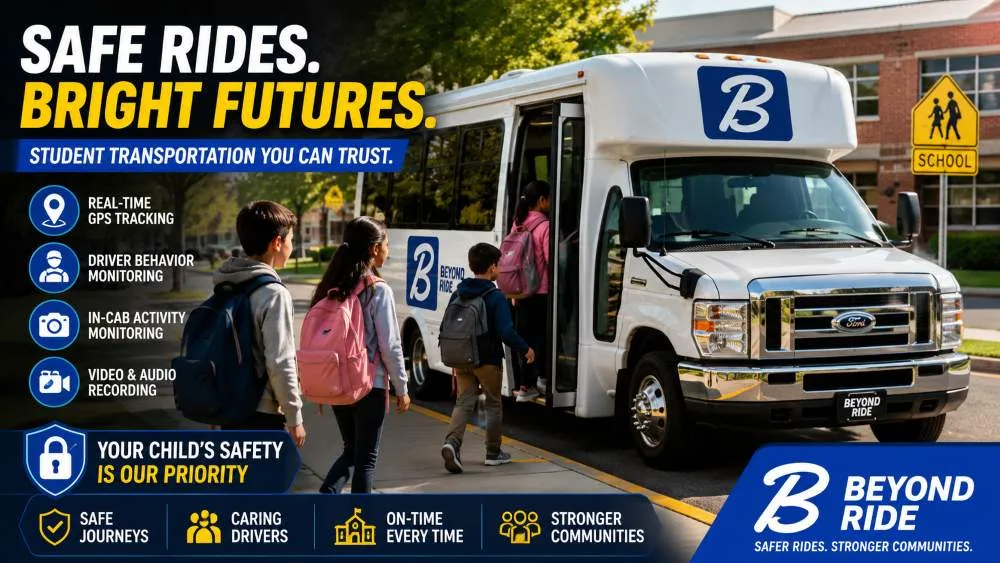
Beyond Ride's announcement about safe school transportation discusses transportation considerations for schools in Tacoma, Kitsap, and Pierce County.
The announcement also highlights the importance of organized transportation operations when serving students.
Communicating During Delays
Unexpected delays can happen for many reasons.
Traffic, weather, vehicle issues, and changes in school schedules may affect transportation.
The important consideration is having a process for communicating these changes.
Parents and caregivers should know how they will receive updates, while drivers should know who to contact when an issue affects their route.
A clear communication process can help reduce uncertainty during unexpected situations.
Communication Supports Consistency
Consistent communication can make recurring transportation easier to manage.
Students may use transportation every school day, while families may also schedule transportation for recurring medical appointments.
When everyone understands the regular schedule and knows how changes will be communicated, transportation can become more predictable.
Creating Better Communication Procedures
Schools and transportation providers can review their communication processes regularly.
They may consider:
- How transportation information is shared with families
- How schedule changes are communicated
- How drivers receive updated instructions
- How accessibility requirements are documented
- Who families should contact with transportation questions
- How delays are communicated
Clear answers to these questions can help create a more organized transportation system.
Understand This
Communication is one of the foundations of dependable student transportation.
Vehicles, drivers, schedules, accessibility, and fleet management all matter, but these elements need to be connected through clear information.
For schools in Tacoma, Kitsap County, and Pierce County, stronger communication can help transportation providers respond to student needs and keep families informed.
When schools, transportation providers, drivers, and families work from accurate information, they can create a transportation experience that is safer, more organized, accessible, and easier to manage.