
When most people hear the word “radiology,” they think of X-rays or MRI scans. But radiology is much more than just imaging. It also includes something called Interventional Radiology Procedures, which are minimally invasive and often done using imaging guidance. These procedures are divided into two types — vascular (related to blood vessels) and non-vascular procedures. Today, we’ll focus on the second one — Non-Vascular Intervention — and why it matters for many people.
What Are Non-Vascular Procedures in Radiology?
Let’s break it down in a simple way.
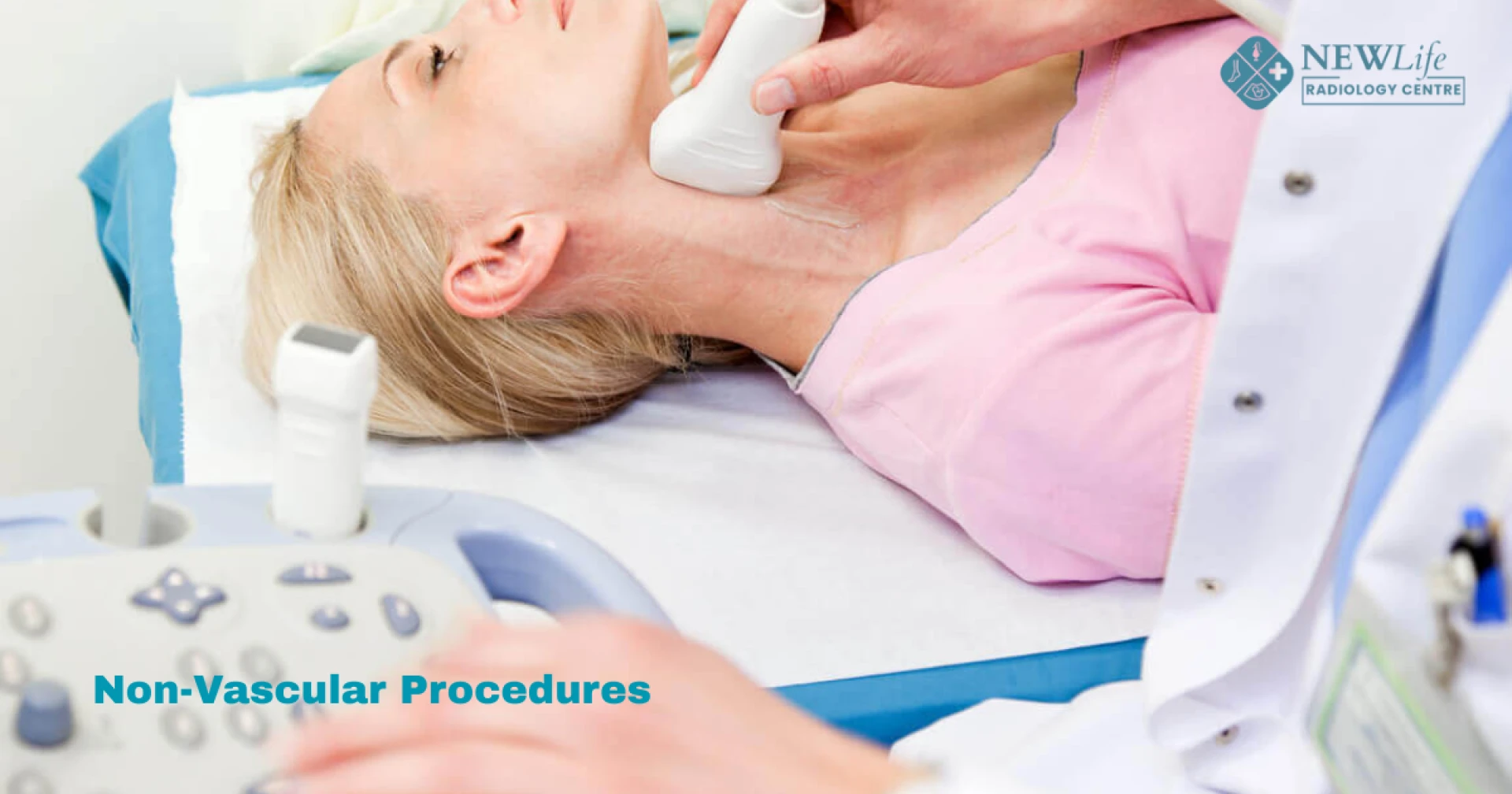
Non-vascular procedures are medical treatments or tests done using imaging tools like ultrasound, CT scan, or fluoroscopy. The word “non-vascular” means these procedures are not done through blood vessels. Instead, they focus on organs, tissues, or specific parts of the body that may need attention.
For example, if someone has a fluid collection (like an abscess), a radiologist might use imaging to guide a small needle or tube into the area to drain it. That’s a classic non-vascular procedure.
Why Choose Non-Vascular Radiology?
The biggest advantage of non-vascular interventional radiology is that it avoids major surgery. Since it’s less invasive, the recovery is often quicker and more comfortable. With the help of imaging, the radiologist can see exactly where they need to work, which makes the procedure more accurate.
You don’t have to be admitted for many of these treatments. They are often done on a day-care basis. And most of the time, you don’t need big cuts or stitches.
Types of Common Non-Vascular Procedures
Here are a few common examples of non-vascular interventions:
- Biopsies using imaging guidance (to take tissue samples from the lung, liver, kidney, etc.)
- Abscess drainage (removing infected fluid collections)
- Catheter placements (like in urinary bladder or other fluid areas)
- Needle aspiration (to remove fluid or cyst content)
- Joint injections or aspirations (to relieve pain or swelling)
These procedures are very useful in many conditions, and they are done with care under the guidance of experienced radiologists.
Your Local Non-Vascular Radiology Expert in Thane
If you're searching for a reliable non‑vascular radiology expert in Thane, then New Life Radiology Center is a place many trust for interventional care. Under the guidance of trained doctors like Dr. Harish Pawar, many such procedures are done with precision and care.
Dr. Pawar brings years of experience and is well-known in the city for offering clear communication, compassionate handling, and excellent imaging-guided procedures.
How Are These Procedures Done?
These procedures are not like surgeries in a big operation theatre. Instead, they’re performed in special radiology rooms equipped with machines like CT or ultrasound.
Let’s say a patient needs a liver biopsy. The radiologist will first check the area with imaging, clean the skin, give local anesthesia (numbing injection), and then guide a small needle to the target site — all while watching on the screen. It sounds technical, but it’s usually quick and well tolerated.
Is It Safe?
No procedure is 100% risk-free, but interventional radiology procedures, especially non-vascular ones, are generally considered safe when done by skilled professionals. Since they are less invasive than open surgeries, the chances of major complications are lower.
At New Life Radiology Center, care is taken to explain everything clearly before the procedure and ensure the patient is comfortable.
Choosing the Right Expert
When it comes to your health, choosing the right hands is very important. Many people look online for the best radiologist near me, but it’s also about finding someone who takes time to explain, understands your concern, and doesn’t rush into unnecessary procedures.
That’s where specialists like Dr. Harish Pawar stand out. His approach combines knowledge with a patient-first attitude, which makes a real difference in today’s fast-moving medical world.