Psoriasis can be difficult to live with, particularly when patches of irritated skin keep returning without an obvious reason. One week, a small area may look dry and flaky. Later, the same patch might become thicker, redder, or uncomfortable. For some people, the condition affects only a limited part of the body. For others, it can involve larger areas and interfere with everyday activities such as sleeping, working, exercising, or choosing what to wear.
Finding suitable care is important, but getting to an appointment is not always convenient. Work commitments, travel, family responsibilities, and limited access to specialists can make regular visits challenging. An online psoriasis consultation offers another way to discuss skin concerns with a healthcare professional. Through a virtual appointment, patients can describe their symptoms, share photographs, review their medical history, and learn about possible care options.
Psoriasis is more than a problem on the surface of the skin. It involves the immune system, which means understanding the condition requires more than looking at a dry patch and choosing a moisturizer. Practitioners with an integrative perspective, including Dr. Julie Greenberg, may consider the wider health picture when discussing skin concerns and possible approaches to care.
What Is Psoriasis and Why Does It Develop?
Psoriasis is a long-lasting inflammatory condition that causes skin cells to build up faster than usual. Normally, skin cells grow, move towards the surface, and shed gradually. This process takes place continuously, even though most people never notice it happening.
With psoriasis, the process speeds up. New cells reach the surface before older ones have had enough time to shed. As a result, cells collect and form raised patches that may look red, thick, dry, or covered with silvery scales.
Imagine a busy road where cars keep arriving but the vehicles ahead cannot move away. Traffic begins to pile up. Psoriasis creates a similar buildup, except the accumulation happens with skin cells.
The immune system plays a central role. It mistakenly sends signals that encourage inflammation and faster skin cell production. The exact reason this happens is not fully understood, but genetics and environmental factors can both contribute.
Psoriasis is not contagious. You cannot catch it by touching someone, sharing a towel, or sitting beside them. It is also not caused by poor hygiene. These misunderstandings can make people feel embarrassed about a condition that is not their fault.
Recognising the Different Signs of Psoriasis
Psoriasis does not look exactly the same in everyone. Its appearance can depend on the type, the body area involved, and the person's skin tone.
Some common signs include:
- Raised patches that may appear red, pink, purple, or darker than the surrounding skin.
- Dry skin with white or silvery scaling.
- Itching, soreness, or a burning sensation.
- Cracked skin that may sometimes bleed.
- Thickened or discoloured nails.
- Patches that repeatedly improve and then return.
The elbows, knees, scalp, and lower back are common areas, although psoriasis can develop almost anywhere. On darker skin, affected areas may look purple, brown, or darker rather than bright red. The skin may also remain discoloured after the active inflammation settles.
There are several forms of psoriasis. Plaque psoriasis is the most common and usually produces raised, scaly patches. Guttate psoriasis can cause many small spots, sometimes following a throat infection. Inverse psoriasis affects skin folds, where patches may appear smooth and irritated rather than heavily scaly. Pustular psoriasis produces visible pus-filled bumps, while erythrodermic psoriasis is a rare but serious form that can affect large areas of the body.
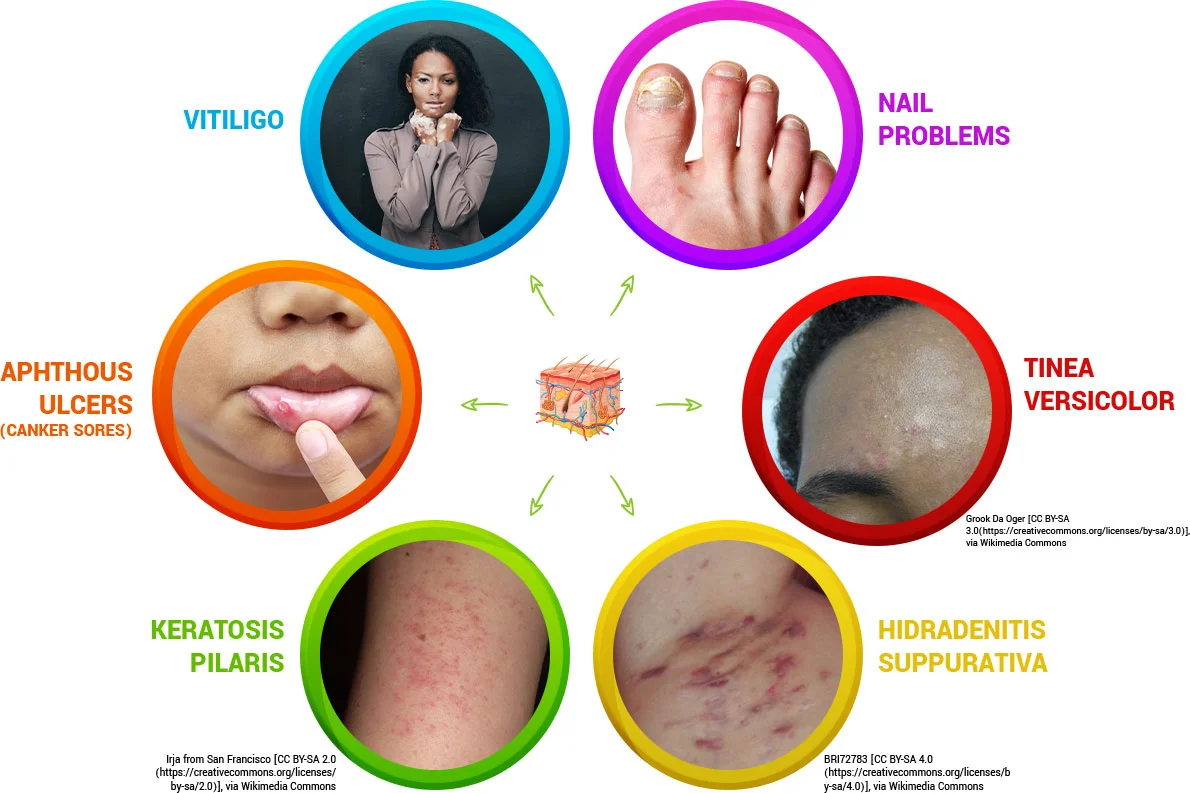
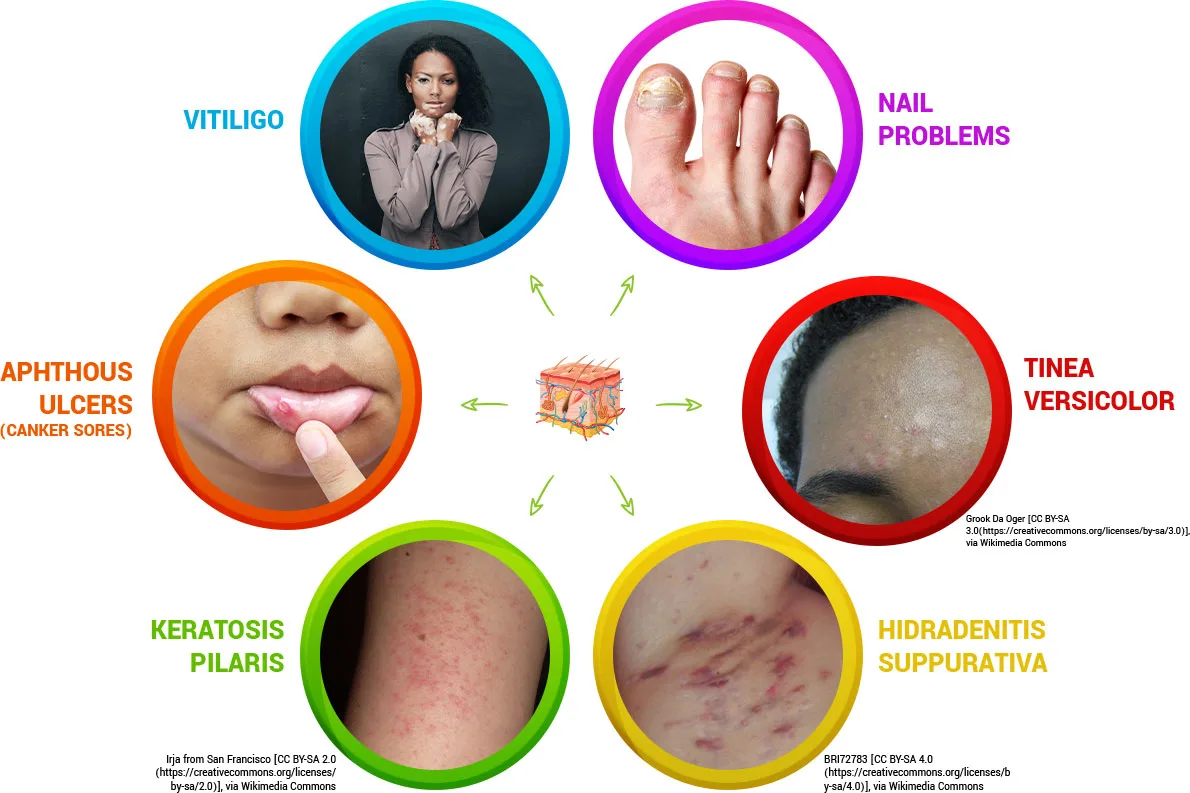
Because different skin conditions can look alike, a proper assessment matters. Eczema, fungal infections, and other inflammatory conditions may cause overlapping symptoms. A professional should not assume that every flaky or itchy patch is psoriasis.
What Happens During a Remote Skin Appointment?
A virtual appointment gives patients an opportunity to explain their concerns without travelling to a clinic. The process may begin with a discussion about the skin changes they have noticed.
The practitioner may ask when the patches first appeared, which areas are affected, whether symptoms come and go, and whether anything seems to make them worse. They may also ask about family history, previous diagnoses, current medication, and treatments used in the past.
Photographs can help the practitioner examine visible changes. Images taken in natural light, without filters, usually provide a clearer view. It can be helpful to photograph both the affected area and a wider view showing where it is located on the body.
The discussion may also cover how the condition affects daily life. For example, scalp psoriasis might make someone uncomfortable wearing dark clothing because of visible flakes. Cracked patches on the hands may make washing dishes or handling objects painful. These details help explain the practical impact of the condition.
A virtual appointment has limitations, however. Photographs cannot replace every part of a physical examination. If the diagnosis is uncertain, symptoms are severe, or additional tests are needed, an in person assessment may be recommended.
Why Your Medical History Matters
Two people can have similar looking patches but very different experiences with psoriasis. One may have occasional scalp irritation, while another may experience widespread symptoms alongside joint discomfort.
That is why a practitioner may ask questions that seem unrelated to the visible skin problem.
Family history can be relevant because psoriasis often has a genetic component. Certain infections, skin injuries, stress, smoking, heavy alcohol use, and some medications may trigger or worsen symptoms in susceptible people. Not every trigger affects everyone, and a flare can sometimes occur without a clear explanation.
The practitioner may also ask about other health concerns. Psoriasis is associated with a higher risk of certain conditions, including psoriatic arthritis, a disease that can cause joint pain, swelling, and stiffness. It is also associated with increased risk of some metabolic and cardiovascular conditions.
This does not mean that every person with psoriasis will develop these problems. It does mean that skin symptoms should be considered as part of a person's overall health rather than treated as an isolated inconvenience.
The Connection Between Inflammation and Overall Health
Inflammation is one of the body's natural protective responses. When you get a small cut, for example, the area may become warm, swollen, and red as the body responds to the injury. This is a normal part of healing.
In psoriasis, the immune system remains involved in an inflammatory process that affects the skin. The response becomes ongoing rather than being limited to a short period of protection.
Researchers have also identified links between psoriasis and other aspects of health. Factors such as weight, smoking, alcohol consumption, stress, and certain metabolic conditions may influence the experience of the disease. These factors do not explain every case, but they can be relevant when planning long term care.
Stress deserves particular attention. It does not cause every psoriasis flare, but some people notice that symptoms become worse during demanding periods. Think of stress as one possible volume control: it may turn up an existing problem for some individuals, although it is not the only factor involved.
A balanced discussion can help patients identify practical changes without making them feel responsible for having the condition. Psoriasis is an immune related disease, not a personal failure.
How an Integrative Perspective May Support Skin Care
Integrative care considers conventional medical knowledge alongside other approaches that may support general health. It aims to understand the person's circumstances rather than focusing exclusively on one visible symptom.
Dr. Greenberg is a licensed naturopathic doctor who specialises in integrative dermatology and is also a Registered Herbalist with the American Herbalists Guild. Her education includes naturopathic medical training at Bastyr University, an MBA from Stanford University, and an undergraduate degree from Northwestern University.
Her professional interests include the relationship between skin health, nutrition, herbal medicine, and other aspects of overall well being. In a consultation, an integrative perspective may involve discussing a patient's daily routine, skincare products, diet, stress, sleep, and relevant medical history.
It is important to distinguish supportive health discussions from proven psoriasis treatments. A particular food plan, supplement, or herbal product should not be presented as a guaranteed way to control the disease. Evidence for natural treatments varies, and some products can cause irritation or interact with medication.
Naturopathic medicine is also a different professional pathway from conventional medical dermatology. Patients should understand the practitioner's qualifications, licensing, and scope of practice before deciding which type of care is appropriate.
Treatment Options Depend on the Severity of Psoriasis
Psoriasis treatment is not one size fits all. A person with a few small patches may need a different approach from someone with widespread inflammation or joint symptoms.
The main goal is to reduce inflammation, control scaling and discomfort, and help prevent repeated flares. Treatment may include one or more of the following options.
Creams and ointments
Topical treatments are applied directly to the affected skin. Depending on the situation, a healthcare professional may recommend corticosteroid creams, vitamin D based products, or other prescription treatments. Moisturisers can also help reduce dryness and support the skin barrier.
The right product depends on the body area and the severity of the symptoms. A treatment suitable for thick skin on the elbows may not be appropriate for delicate areas such as the face.
Light therapy
Some people benefit from controlled exposure to specific types of ultraviolet light under medical supervision. This treatment is known as phototherapy. It can slow the rapid growth of skin cells and reduce inflammation.
It is different from spending extra time in the sun or using a tanning bed. Unsupervised ultraviolet exposure can damage the skin and increase the risk of skin cancer.
Oral and injectable medicines
Moderate to severe psoriasis may require medication that works throughout the body. Some treatments reduce immune system activity or target specific parts of the inflammatory process.
These medicines can be effective, but they may require medical screening, blood tests, or ongoing monitoring. A patient should not begin or change such treatment without appropriate professional guidance.
Everyday skin care
Gentle daily care can make irritated skin more comfortable. Lukewarm showers, fragrance free moisturisers, and mild cleansing products may help reduce dryness. Scratching or forcefully removing scales can injure the skin and may trigger new patches in some people.
When Should You Seek an In Person Assessment?
Remote care is useful in many situations, but certain symptoms need direct medical attention.
Seek prompt medical advice if you develop widespread redness, rapidly worsening skin symptoms, significant pain, fever, or extensive pustules. Erythrodermic psoriasis can be serious and may require urgent hospital care.
Joint pain, swelling, morning stiffness, or difficulty moving a joint should also be discussed with a healthcare professional. These symptoms may indicate psoriatic arthritis, which needs appropriate assessment and treatment.
If a patch has an unusual appearance, bleeds without a clear reason, or does not fit a previous psoriasis diagnosis, it should be examined rather than automatically treated as another flare.
A responsible virtual practitioner should recognise these limitations and explain when an in person examination, laboratory testing, or referral is necessary.
Preparing for Your Appointment
You do not need to prepare a lengthy medical report before speaking with a practitioner. A few useful details can make the discussion more focused.
Consider keeping a short record of when symptoms started and whether they have changed. Note which parts of the body are affected, what makes the discomfort better or worse, and whether you have noticed possible triggers.
Prepare a list of creams, medicines, supplements, and skincare products you currently use. If you have previously received a psoriasis diagnosis, keep any relevant medical information available.
Photographs taken over several weeks may also help show how the condition changes over time. Try to use similar lighting and angles so that comparisons are more meaningful.
Finally, write down your main concerns. You might want to ask about treatment choices, possible side effects, expected timelines, or how to manage symptoms between appointments. Clear answers can help you make informed decisions about your care.
Conclusion
Living with psoriasis can involve more than managing visible patches. The condition may affect comfort, confidence, daily routines, and other aspects of health. Understanding what is happening beneath the skin is an important part of making informed treatment decisions.
A virtual appointment can provide a convenient way to discuss symptoms, review medical history, and explore suitable options. It can also help patients understand when photographs and remote guidance are sufficient and when a physical examination is needed.
An integrative perspective may bring additional attention to lifestyle and overall health, while keeping the limitations of different treatments in view. With her background in naturopathic medicine and integrative dermatology, Dr. Greenberg offers a perspective that considers skin concerns within a broader health context.
Psoriasis is a long-term condition, but it can often be managed with appropriate care. The aim is not to promise an instant cure. It is to understand the condition, choose suitable treatment, and build a practical plan that supports better skin health over time.