

Closed-cell spray foam generally provides the best long-term results for Atwater homes due to its high R-value and moisture resistance. While open cell is cost-effective for soundproofing, the dense structure of closed cell foam handles the Central Valley's extreme summer heat more effectively.
This guide explores the technical differences and performance metrics of these two materials to help you make an informed choice. Based on years of industry observation, selecting the right foam depends on your specific structural needs and local climate demands.
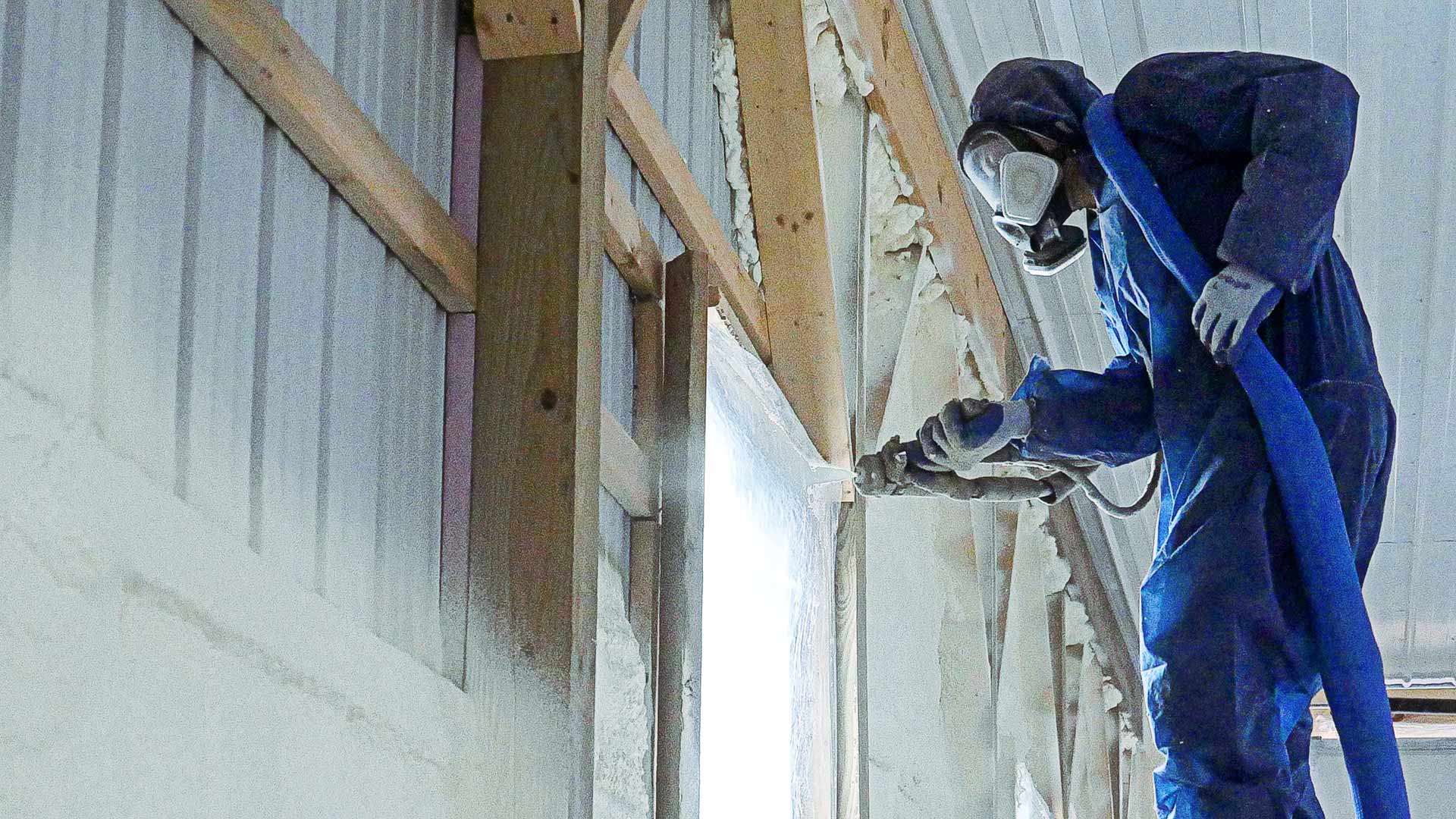
Understanding the Core Differences Between Foam Types
Choosing between open-cell and closed-cell spray foam insulation requires looking at the physical makeup of the material. Open-cell foam is soft and flexible because its cells are not completely encapsulated. It expands significantly upon application, filling every small gap in a wall or ceiling.
Closed-cell foam is much denser and more rigid. The cells are packed tightly together and filled with a gas that helps the foam resist heat flow. This density adds structural strength to your property, which is a significant factor for older buildings in the Atwater area.
Thermal Resistance and R-Value Comparison
The R-value measures how well a material resists heat transfer. Closed-cell foam offers a higher R-value per inch, usually around 6.5 to 7.0. This means you can achieve better thermal protection in thinner wall cavities compared to other materials.
Open-cell spray foam insulation typically has an R-value of about 3.5 to 3.8 per inch. It requires more depth to match the performance of closed-cell options. In Atwater, where summer temperatures often stay above 90 degrees for weeks, maximizing R-value is a smart move for lowering your cooling bills.
How Each Foam Manages Moisture and Air Flow
Atwater can experience humid winter mornings and very dry summers. Closed-cell spray foam insulation acts as a vapor barrier, meaning it does not allow water to move through it easily. This helps prevent mold growth in spaces like crawl spaces or basements.
Open-cell foam is permeable to moisture. If a leak occurs, the water will move through the foam, allowing you to identify the source of the problem quickly. However, this also means it should not be used in areas prone to heavy water exposure without additional vapor retarders.
Performance Metrics for Common Insulation Types
FeatureOpen Cell FoamClosed Cell FoamR-Value per Inch3.5 - 3.86.5 - 7.0Density0.5 lbs per cubic foot2.0 lbs per cubic footExpansion RateHigh (up to 100x)Low (approx. 30x)Structural StrengthMinimalHighAir SealingExcellentExcellentWater ResistancePermeableWater ResistantThe Cost Versus Value Equation
When looking at a spray foam insulation comparison, budget is always a factor. Open-cell foam is generally more affordable because it uses less raw material to fill a space. It is an excellent choice for interior walls where sound dampening is the main priority.
Closed-cell foam is more expensive up front but offers better long-term insulation performance. Because it provides a higher R-value and strengthens the building structure, it often leads to greater energy savings over twenty years. You should view the higher cost as a long-term investment in the durability of your home.
How Does Regional Climate Affect Your Choice?
Atwater sits in a Mediterranean climate zone. The heavy reliance on air conditioning during the summer months puts a lot of pressure on your home's envelope. Using open cell vs closed cell insulation affects how hard your HVAC system has to work to keep the indoor air comfortable.
- Closed-cell foam keeps the hot Central Valley air out more effectively.
- Open-cell foam works well in vented attics where some breathability is desired.
- A "flash and batt" approach can sometimes combine foam with fiberglass for a hybrid solution.
Bonus Tip: Beyond climate control, physical density impacts acoustics. If you live near busy roads or the airport, open cell foam is the superior choice for noise reduction because its soft texture absorbs sound waves better than the rigid closed cell variety.
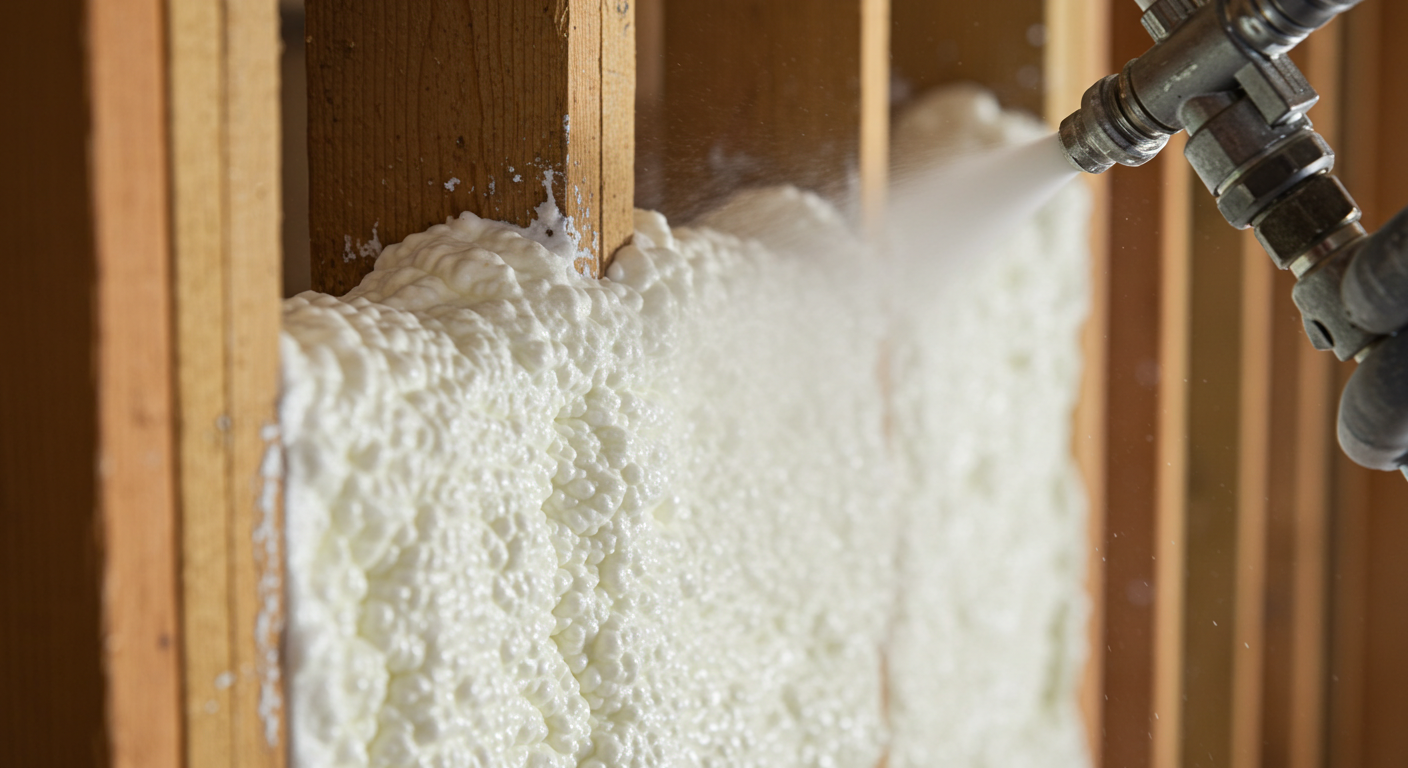
Things to Evaluate Before Your Installation Begins
Before you commit to a specific product, you must assess the current state of your property. If your home has a weak frame, the added rigidity of closed-cell foam can help stabilize the structure. Conversely, if you have a modern, sturdy frame and a tight budget, open cell might be the logical path.
You also need to consider the depth of your wall studs. Standard 2x4 walls have limited space. To get the best energy efficiency in a shallow cavity, the high R-value of closed-cell foam is often necessary. If you have deep 2x6 or 2x8 cavities, you can use the more affordable open-cell foam and still reach your target insulation levels.
Bonus Tip: Always ensure your installer checks for existing electrical wiring issues before spraying. Once the foam hardens—especially closed cell—accessing wires behind the walls becomes much more difficult.
Factors Influencing Long-Term Performance
The benefits of closed-cell spray foam include its ability to stay in place for decades without sagging or settling. Unlike fiberglass batts, which can compress over time, spray foam maintains its shape. This consistency ensures that your energy bills stay low year after year.
Proper installation is the biggest variable in how long your insulation lasts. The chemicals must be mixed at the correct temperature and pressure. If the mix is off, the foam might pull away from the studs or fail to cure properly, which negates the material's benefits.
How to Decide Which Option Fits Your Property
If you are insulating a shop, a garage, or a shed with exposed walls, closed-cell is the ideal choice because it is durable enough to handle physical impacts. For a standard residential bedroom where a quiet environment is the priority, open-cell is often the favorite.

Expert Guidance for Upgrading Your Home Insulation and Getting a Free Quote
Navigating the choice between open and closed cell foam is easier when you have expert guidance. For those in the Atwater and Fresno areas, Supreme Spray Foam – Fresno provides technical support to help you choose the right application for your specific building. You can reach them at (559) 545-0800 or via email at [email protected] to discuss your project. They offer professional assessments to ensure your property gets the most effective thermal barrier possible. Getting a free quote from a local specialist ensures that your insulation plan matches the specific demands of the California climate.
Summarizing Your Insulation Selection
In conclusion, the right choice depends on your specific goals for structural integrity, moisture control, and budget. While closed cell foam offers superior R-values and moisture protection against the Atwater heat, open cell foam provides excellent soundproofing and initial cost savings. Evaluate your wall depth and local weather patterns before making a final decision. Selecting high-quality materials now will ensure your home remains energy efficient and comfortable for several decades.
Common Questions Regarding Residential Spray Foam Applications
Which foam is better for blocking out street noise?
Open cell foam is the better choice for sound dampening because its porous, sponge-like structure absorbs sound waves more effectively than the hard surface of closed cell foam.
Can I use spray foam in an existing home without tearing down walls?
Standard spray foam usually requires open wall cavities. However, some providers offer injection foam options that can be pumped into existing walls through small holes, though this is a different process than traditional spraying.
How long does spray foam insulation actually last?
When installed correctly, spray foam is designed to last for the remaining life of the building. It does not lose its R-value over time and does not settle like cellulose or fiberglass.
Does spray foam insulation attract pests or rodents?
No, spray foam does not provide a food source for insects or rodents. Additionally, because it seals gaps and cracks so tightly, it actually makes it harder for pests to enter your home.
Is it safe to stay in the house during the installation?
Generally, residents are advised to leave the home for 24 hours during and after the installation. This allows the foam to fully cure and ensures that any odors or off-gassing have completely dissipated.